An Evening Routine That Sets Up a Better Tomorrow

I’m so sick of seeing those aesthetic, Pinterest-perfect “lifestyle” videos where people spend two hours applying expensive serums and lighting scented candles just to prepare for bed. It’s total nonsense. If your idea of an evening routine requires a $50 silk eye mask and a choreographed sequence of mindfulness exercises, you aren’t relaxing—you’re just adding more chores to your to-do list. Real life is messy, and most of us are too exhausted by 9:00 PM to perform a choreographed ritual just to feel “balanced.”
I’m not here to sell you on a lifestyle you can’t maintain or a set of expensive habits that don’t actually work. Instead, I want to share the gritty, realistic framework that actually saved my sanity when I was burnt out. I’m going to walk you through my own no-nonsense rituals that focus on actual recovery rather than just looking good on camera. We’re going to strip away the fluff and find the few, high-impact habits that actually help you shut your brain off so you can finally get some decent sleep.
Table of Contents
Mastering Sleep Hygiene Tips for Deeper Rest

Let’s get real about the science side of things, because even the best intentions won’t save you if your environment is working against you. I used to think I could just crash after a marathon session of scrolling through news feeds, but I quickly learned that a digital detox before bed is non-negotiable. That blue light is a thief; it steals your melatonin and leaves your brain buzzing like a neon sign. Instead of fighting your biology, try setting a “tech curfew” an hour before you actually want to close your eyes.
Once the screens are off, it’s all about layering in some gentle relaxing bedtime activities to signal to your nervous system that the day is officially over. For me, this isn’t about a rigid checklist, but rather finding small ways of improving sleep quality through sensory cues. Whether it’s dimming the lights, lighting a candle, or even just a quick stretch, these micro-habits act as a bridge between the chaos of the day and the stillness of sleep. It’s less about perfection and more about creating a space where your mind finally feels safe to let go.
Effective Stress Relief Evening Habits to Unwind
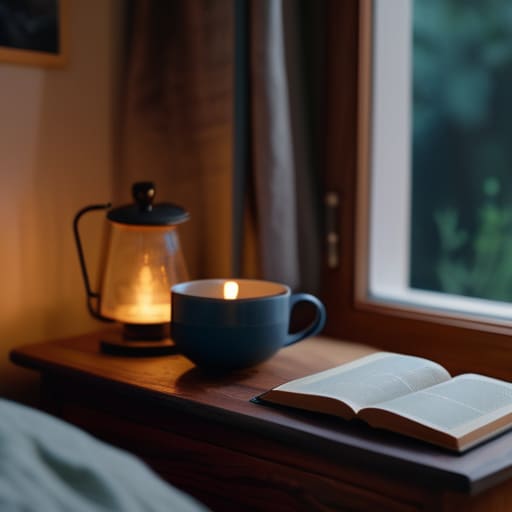
Let’s be real: most of us spend our final waking hours scrolling through doomscrolling feeds or answering “one last email,” which is basically a recipe for a racing brain. If you want to actually settle down, you have to prioritize a digital detox before bed. I started setting a “phone curfew” at 9:00 PM, and honestly, the difference in my mental clarity was immediate. Instead of letting blue light hijack my brain, I swapped the screen for something tactile, like a physical book or even just some light stretching.
Beyond just ditching the phone, finding specific relaxing bedtime activities can act as a bridge between the chaos of the day and actual rest. For me, that looks like a quick journaling session to dump all my lingering anxieties onto paper so they aren’t swirling around my head at 2:00 AM. It’s not about being perfect or following a rigid schedule; it’s about creating small, intentional pockets of calm that signal to your nervous system that the workday is officially over and it is finally safe to let go.
The Small Shifts That Actually Move the Needle
- Ditch the “doomscrolling” trap. I used to think scrolling through Reels was relaxing, but it actually kept my brain wired and buzzing until 1 AM. Try putting your phone in another room at least 30 minutes before you want to be asleep.
- Prep your morning self. There is nothing worse than waking up to a chaotic kitchen. Spend ten minutes laying out your clothes or prepping your coffee machine so you aren’t playing catch-up the second your alarm goes off.
- Dim the lights early. We aren’t cave dwellers, but blasting overhead LEDs at 9 PM tells your brain it’s high noon. Switch to lamps or warm lighting to signal to your body that the day is actually winding down.
- Write it all out. If your brain starts looping through everything you didn’t finish today, grab a notebook and dump it all on the page. Getting those “to-dos” out of your head and onto paper stops the midnight mental gymnastics.
- Find your “low-stakes” activity. Whether it’s reading a physical book (not a screen!) or even just some light stretching, you need a bridge between the high energy of your day and the stillness of sleep.
The Bottom Line: Making It Stick
Don’t try to overhaul your entire life overnight; just pick one or two small changes that actually feel doable so you don’t burn out by Tuesday.
Consistency beats perfection every single time—even if you only manage ten minutes of winding down, it’s better than nothing.
Listen to your own body’s signals rather than following a rigid checklist, because a routine should serve you, not the other way around.
The Real Purpose of a Wind-Down
An evening routine isn’t about checking boxes or being “productive” with your relaxation; it’s about building a bridge between the chaos of the day and the peace you actually deserve at night.
Writer
Finding Your Own Rhythm

At the end of the day, there isn’t a magic, one-size-fits-all blueprint that works for everyone. We’ve talked about everything from tightening up your sleep hygiene to finding those specific stress-relief habits that actually make you feel human again, but the real secret is consistency over perfection. You don’t need to turn your bedroom into a high-tech sensory deprivation tank or follow a twenty-step ritual to see a difference. It’s really just about making small, intentional choices—like putting the phone away or dimming the lights—that signal to your brain that the chaos of the day is officially over.
If you’re feeling overwhelmed by the idea of changing everything at once, please don’t. Just pick one thing. Maybe it’s just five minutes of reading or a quick stretch before bed. The goal isn’t to add another chore to your to-do list; it’s to create a sanctuary for yourself. You deserve to end your day feeling peaceful rather than depleted. Start small, listen to what your body is actually asking for, and eventually, you’ll realize that these tiny nightly shifts are what actually reclaim your energy for the morning ahead.
Frequently Asked Questions
What do I do if my schedule changes and I can't fit the whole routine in?
Look, life happens. Some nights you’re stuck at the office or dealing with a crisis, and the thought of a ten-step routine feels like a chore. Don’t beat yourself up. When things go sideways, pivot to your “minimum viable routine.” Pick the two non-negotiables—maybe it’s just dimming the lights and five minutes of reading—and let the rest go. Consistency is about showing up, even if it’s just in a tiny, stripped-back way.
Is it actually worth skipping my phone entirely, or can I just use a blue light filter?
Honestly? The blue light filter is a band-aid, not a cure. Don’t get me wrong, it’s better than nothing, but the real killer isn’t just the light—it’s the mental stimulation. Scrolling through a stressful email or a dopamine-heavy feed keeps your brain in “active mode.” If you can, try to ditch the screen entirely for thirty minutes. Your brain needs that quiet gap to actually realize the day is over.
How long does it take before these habits actually start making a difference in my sleep?
Honestly? It’s not an overnight transformation. If you start tonight, you might feel a bit more relaxed by tomorrow morning, but the real magic happens around the two-week mark. That’s usually when your body stops fighting the new rhythm and actually starts anticipating the wind-down. Don’t get discouraged if you don’t feel like a new person by day three—consistency is what actually moves the needle here.