Self-care Ideas That Don’t Cost a Thing
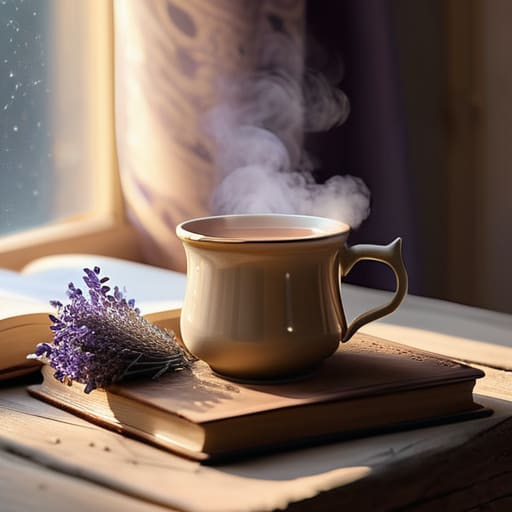
Let’s be real for a second: most of us are walking around like caffeinated zombies, just trying to keep our heads above water. We treat our phones better than our own minds, plugging them in every night while we run ourselves into the ground. We’ve been sold this idea that wellness has to be some expensive, hour-long ritual involving expensive candles and perfect lighting, but that’s just not sustainable. Finding actual, usable self care ideas shouldn’t feel like another chore on your never-ending to-do list. It’s about realizing that you can’t pour from an empty cup, and honestly, you’re overdue for a refill.
I’m not here to give you a list of Pinterest-perfect platitudes that you’ll forget by tomorrow morning. Instead, I’ve rounded up five realistic ways to actually reclaim your sanity without needing a week-long retreat or a massive budget. These are small, intentional shifts that actually move the needle when life feels like it’s spiraling out of control. By the time you finish reading these five points, you’ll have a toolkit of genuine strategies to help you stop merely surviving and start actually feeling like yourself again.
Table of Contents
The "Do Nothing" Hour
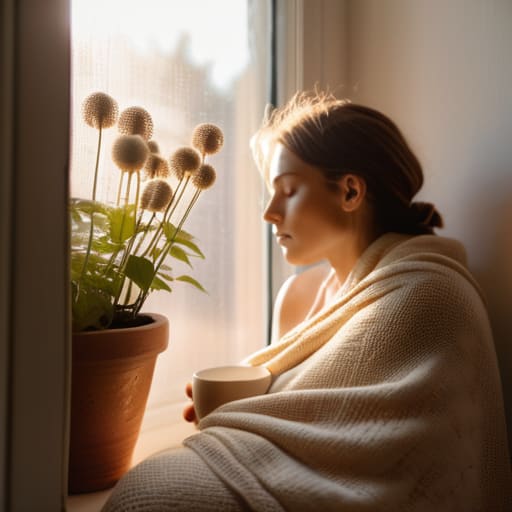
We live in a world that treats productivity like a personality trait, and honestly, it’s exhausting. We feel this constant, nagging guilt if we aren’t checking something off a list or “optimizing” our downtime. But real self-care isn’t always about a fancy face mask or a yoga class; sometimes, it’s just about permission to be useless for a little while.
Digital Detox (The Real Kind)
I know, I know—everyone says “get off your phone,” but it’s easier said than done when your entire social life and job live in that little glass rectangle. The trick isn’t to delete every app you own, but to create hard boundaries that keep the digital noise from bleeding into your actual life. Try putting your phone in a different room an hour before bed, or better yet, leave it in a drawer while you eat dinner.
Movement Without the Pressure

If the thought of a high-intensity workout makes you want to cry, then don’t do it. There is this toxic idea that “exercise” has to be a grueling session at the gym to count as self-care, but that’s just not true for everyone. Sometimes, the best thing you can do for your mental health is a low-stakes stroll around the block just to feel the air on your face.
The Brain Dump Method
You know that feeling when your brain feels like it has fifty browser tabs open at once and half of them are frozen? That mental clutter is a massive energy drain that we often ignore until we hit a breaking point. One of the fastest ways to quiet the chaos is to grab a physical piece of paper and just write everything down.
Curating Your Immediate Environment
It sounds incredibly basic, but your physical space has a massive impact on your internal state. If you’re surrounded by clutter, laundry, and half-empty coffee mugs, your brain is going to feel just as scattered as your desk looks. You don’t need to do a deep clean of the whole house, but picking one small corner to tidy up can work wonders.
The Bottom Line
Self-care isn’t a luxury or a checklist to conquer; it’s just about giving yourself permission to pause before you hit a wall.
Forget the “aesthetic” version of wellness you see online—if it doesn’t actually make your life feel easier, it’s not working.
Start small. You don’t need a whole weekend retreat to reset; sometimes five minutes of actual silence is enough to turn the day around.
The Hard Truth About Self-Care
“Self-care isn’t about adding more chores to your to-do list or buying expensive candles; it’s about finally giving yourself permission to stop performing and just exist for a minute.”
Writer
The Bottom Line
Look, I know that trying to implement all of this at once feels like just another exhausting item on your to-do list. Whether it was finally setting those digital boundaries, carving out ten minutes for a quiet cup of coffee, or just learning to say “no” without a massive side of guilt, the goal isn’t perfection. It’s about recognizing that these small, intentional shifts—like reclaiming your time or simply breathing through a stressful moment—are what actually keep you from hitting a total wall. You don’t need a complete lifestyle overhaul to see a difference; you just need to stop neglecting yourself in the pursuit of everything else.
At the end of the day, self-care isn’t some luxury reserved for people with endless free time and aesthetic wellness retreats. It is a survival skill. It’s the messy, unglamorous work of checking in with yourself when things get loud and realizing that you are actually worth the effort. So, please, be kind to yourself today. If all you did was make it through the day, let that be enough. You are doing much better than you give yourself credit for, and taking care of you is the most productive thing you will ever do.
Frequently Asked Questions
How do I actually stick to a self-care routine when my schedule is constantly blowing up?
Look, the biggest mistake is trying to schedule a “self-care hour” when your life is a dumpster fire. It won’t happen. Instead, stop aiming for perfection and start aiming for micro-wins. If you can’t do a 30-minute yoga session, take sixty seconds to just breathe deeply while the coffee brews. Build a “minimum viable routine”—the tiny, non-negotiable things that take two minutes but keep you sane when everything else hits the fan.
Is it possible to practice self-care without spending a bunch of money on spa days or wellness products?
Look, if you think self-care requires a $200 facial or a subscription to some fancy wellness app, I have good news: you’re being lied to. Real self-care is usually free. It’s the stuff that actually recharges your battery, not just stuff that looks pretty on an Instagram feed. It’s a long walk, a nap without feeling guilty, or finally cleaning that one junk drawer that’s been stressing you out. It’s about intention, not spending.
How can I tell the difference between actual self-care and just procrastinating on things I need to do?
It’s a fine line, isn’t it? The easiest way to tell is by how you feel afterward. Real self-care leaves you feeling recharged, grounded, or actually lighter. Procrastination usually leaves you with that nagging, low-grade anxiety in the back of your head because the “to-do” list is still looming. If you’re scrolling TikTok to escape a deadline, you’re avoiding. If you’re taking a walk to clear your head so you can focus, you’re actually caring for yourself.