Kitchen Tips and Tricks That Save You Time
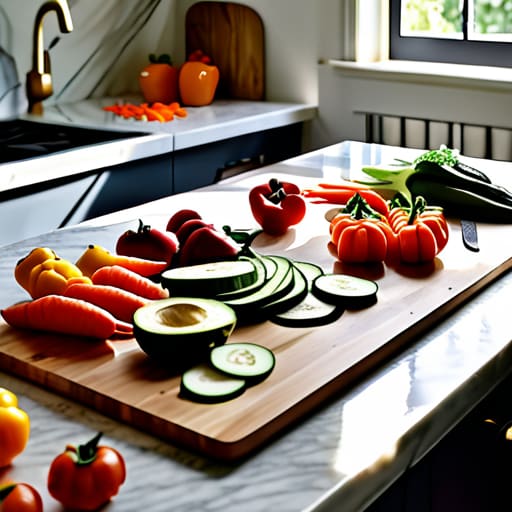
I still remember the absolute disaster of my first “fancy” dinner party, standing in a kitchen that looked more like a crime scene than a culinary workspace. I had spent a fortune on high-tech gadgets I didn’t need, only to realize that a pile of unwashed pans and a disorganized pantry were the real reasons my soufflé collapsed. Most of the “hacks” you see trending online are just expensive distractions that add more clutter to your life instead of actual efficiency. I’m tired of seeing people sold a dream of effortless cooking through $500 gadgets when the real magic lies in the unsexy fundamentals. If you’re looking for actual kitchen tips and tricks that don’t involve buying a specialized avocado slicer, you’ve come to the right place.
I’m not here to sell you a lifestyle or a brand of designer cookware; I’m here to share what actually works when the timer is ticking and the smoke alarm is threatening to go off. This guide is a collection of battle-tested strategies designed to help you reclaim your space and your sanity. We’re going to skip the fluff and dive straight into the no-nonsense, experience-based advice that turns a chaotic kitchen into a streamlined machine.
Table of Contents
- Refining Your Blade Essential Knife Skills for Beginners
- Culinary Time Saving Methods to Reclaim Your Evening
- Small Tweaks, Big Wins: The Little-Known Hacks That Save Your Sanity
- The Bottom Line: Small Tweaks, Big Results
- The Heart of the Chaos
- From Chaos to Culinary Confidence
- Frequently Asked Questions
Refining Your Blade Essential Knife Skills for Beginners
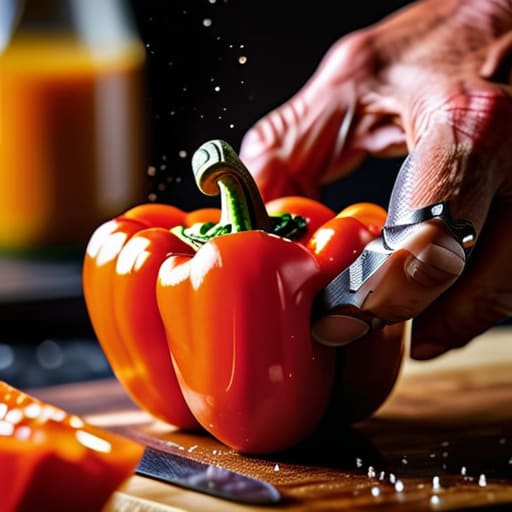
Let’s be real: a dull or poorly handled knife is the fastest way to turn a relaxing evening of cooking into a stressful, finger-threatening disaster. If you want to level up your knife skills for beginners, stop treating your blade like a blunt tool and start respecting the edge. The absolute first thing you need to master is the “claw grip.” By tucking your fingertips inward and using your knuckles to guide the blade, you create a physical barrier that keeps your skin far away from the sharp steel. It feels a bit weird at first, but once it clicks, you’ll notice a massive boost in your confidence and precision.
Once you’ve got the grip down, focus on your rhythm. Instead of hacking away at an onion, try using a rocking motion, keeping the tip of the knife in contact with the cutting board. This isn’t just about looking like a pro chef; it’s a fundamental part of meal prep efficiency. When you can slice through vegetables with fluid, consistent movements, you stop viewing prep work as a chore and start seeing it as a way to streamline your entire cooking process.
Culinary Time Saving Methods to Reclaim Your Evening
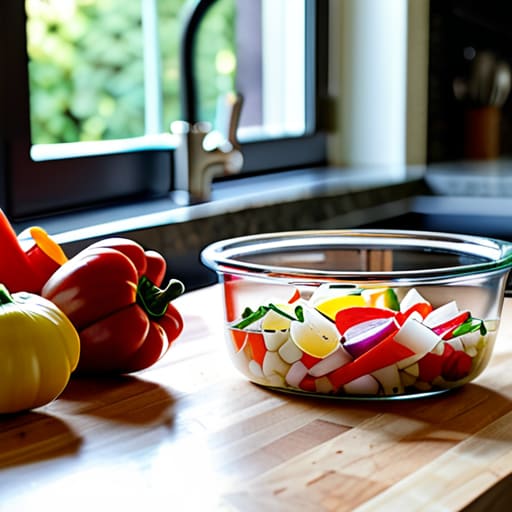
Let’s be real: after a long day of work, the last thing anyone wants to do is spend two hours hovering over a cutting board. The secret to actually enjoying your dinner instead of viewing it as a chore is all about meal prep efficiency. I’ve found that spending just thirty minutes on a Sunday afternoon chopping onions, bell peppers, and garlic can shave massive amounts of time off your weekday routine. When your ingredients are already prepped and ready to go, you transition from “cooking from scratch” to simply “assembling a masterpiece” in a fraction of the time.
Beyond the prep work, your setup matters just as much as your ingredients. If you’re constantly digging through a cluttered pantry for a specific spice or a lid that doesn’t fit, you’re losing precious minutes to frustration. Investing in better food storage solutions—like clear, stackable containers—not only keeps your ingredients fresher but also lets you see exactly what you have at a glance. When your workspace is streamlined, the cooking process becomes fluid rather than a frantic scramble to find a spoon in the middle of a boil.
Small Tweaks, Big Wins: The Little-Known Hacks That Save Your Sanity
- Stop fighting with stubborn garlic; instead, smash the clove with the flat side of your knife first. It peels the skin off in seconds without the sticky mess.
- If your soup or sauce tastes just a little “flat,” don’t reach for more salt—reach for acid. A tiny squeeze of lemon or a splash of apple cider vinegar brightens everything up instantly.
- Keep a small “scrap bowl” on your counter while you prep. It sounds simple, but it keeps your workspace clear and prevents that overwhelming pile of peelings from taking over your prep area.
- Never throw away those stale ends of parmesan cheese. Toss them into your simmering soups or stews; they add a massive, savory umami punch that you can’t get from anything else.
- Use a damp paper towel under your cutting board. It stops that annoying sliding sensation and keeps your workspace steady, which is a huge safety win when you’re in a rush.
The Bottom Line: Small Tweaks, Big Results
Stop treating your knives like blunt tools; a sharp blade isn’t just a luxury, it’s the foundation of safety and speed in everything you cook.
Efficiency isn’t about rushing; it’s about prepping smarter and batching tasks so you aren’t stuck at the sink every single night.
Mastering the basics of technique will save you more time and frustration than any expensive gadget ever could.
The Heart of the Chaos
“A great kitchen isn’t about having every fancy gadget under the sun; it’s about knowing exactly which three tools will actually save your sanity when the dinner rush hits.”
Writer
From Chaos to Culinary Confidence
At the end of the day, mastering your kitchen isn’t about having a professional-grade setup or a pantry full of rare spices; it’s about the small, intentional habits that keep the madness at bay. We’ve covered everything from sharpening those dull blades to keep your prep work safe, to those clever little time-saving hacks that finally let you actually sit down and enjoy your dinner instead of staring at a mountain of dishes. When you refine your skills and streamline your workflow, you stop fighting against your environment and start working with it. It’s about turning a high-stress zone into a space where you feel completely in control.
Don’t feel like you have to overhaul your entire routine overnight. Start with just one thing—maybe it’s finally honing that chef’s knife or prepping your veggies a little earlier in the week—and see how much lighter the whole process feels. Cooking should be a source of joy and nourishment, not another exhausting chore on your never-ending to-do list. So, take a breath, grab your apron, and remember that every great chef started exactly where you are right now. You’ve got this, and your kitchen is ready for you to make it your own.
Frequently Asked Questions
What are some easy ways to organize a cluttered pantry without spending a fortune on containers?
Stop stressing about those overpriced glass canisters you see on Pinterest. Honestly? Most of them are overkill. Start by raiding your recycling bin—glass pasta sauce jars are perfect for lentils or spices once you peel the labels off. Use old shoeboxes or sturdy cardboard bins to group “like with like,” like a snack zone or a baking corner. It’s all about visibility and grouping, not how much you spent at the home goods store.
How can I keep my herbs fresh for longer so I'm not constantly throwing away wilted basil?
Stop throwing money in the trash! The secret to keeping basil from turning into a black, slimy mess is treating it like a bouquet of flowers. Snip the stems and pop them into a jar with an inch of water, then let them sit on your counter—not the fridge. For hardier herbs like rosemary or thyme, wrap them in a damp paper towel and tuck them into a baggie in the crisper drawer.
Are there any specific cleaning hacks for getting those stubborn, burnt-on stains off my favorite pans?
Don’t toss that pan just yet! If you’ve got a scorched bottom, skip the heavy scrubbing that ruins the finish. Instead, toss in a splash of water and a handful of coarse salt, then let it simmer for a few minutes. If that fails, a sprinkle of baking soda and some vinegar works like magic to lift the grime. It’s way easier on your arms and keeps your cookware in the game.