How to Cook Eggs Every Way (and Nail It)
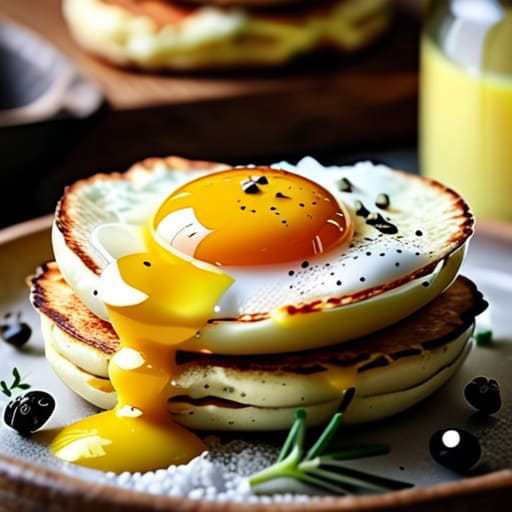
I still remember standing in my tiny college apartment kitchen at 6:00 AM, staring at a rubbery, greyish mess in a cheap frying pan that looked more like a piece of discarded tire than breakfast. I had followed a “gourmet” recipe to the letter, yet I still ended up with something completely inedible. It was a humbling, greasy realization that knowing how to cook eggs isn’t about following a rigid set of scientific instructions or owning a thousand-dollar copper pan; it’s about understanding the soul of the ingredient and having the intuition to know when to turn the heat down.
Forget the overcomplicated culinary school fluff and the endless, circular debates you see on cooking forums. I’m not here to lecture you on molecular gastronomy or tell you that you need a specific brand of organic butter to succeed. Instead, I’m going to give you the straight-up, real-world tactics I’ve spent years perfecting through trial and error. We are going to strip away the nonsense and focus on the simple, repeatable techniques that ensure you actually enjoy what you’re eating every single morning.
Table of Contents
Mastering Egg Cooking Temperatures for Perfect Results
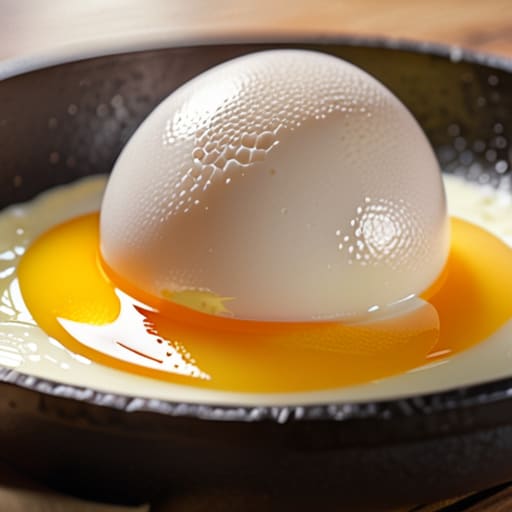
If you’ve ever ended up with rubbery, overdone whites or a sad, watery mess, you haven’t failed—you’ve just fought a losing battle against heat. The secret to great breakfast egg preparation isn’t some fancy gadget; it’s all about controlling the flame. Most people crank the heat to high because they’re hungry, but that’s a one-way ticket to a scorched breakfast. You want to aim for a gentle, consistent warmth that coaxes the proteins to set rather than seizing them up into something resembling a bouncy ball.
When you’re working with scrambled eggs, lower the temperature even further. This is where most scrambled egg texture tips come into play: slow and low is your best friend. By keeping the heat mellow, you allow the curds to form large, creamy folds instead of tiny, grainy bits. If you’re moving toward something more delicate, like a proper poached egg technique, you need that water to be barely simmering—just a few lazy bubbles breaking the surface. If the water is boiling violently, you’re not cooking an egg; you’re shredding it.
Choosing the Best Pan for Eggs Every Time
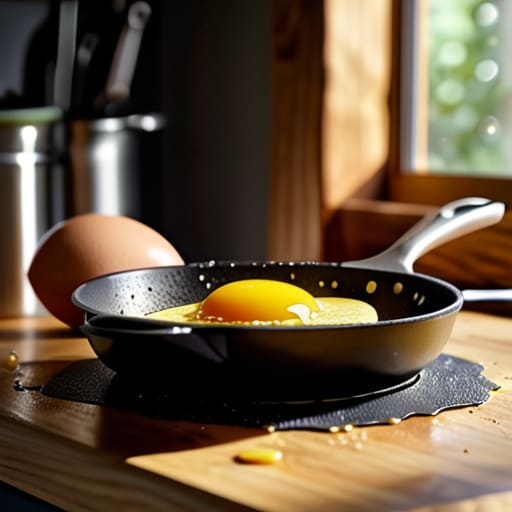
Look, you can have the most expensive organic eggs in the world, but if you’re using a scratched-up, old stainless steel skillet, you’re basically asking for a disaster. When it comes to finding the best pan for eggs, the non-stick skillet is the undisputed heavyweight champion. It’s the difference between a beautiful, silky omelet and a sad, jagged mess that looks like it was scraped off the bottom of a pot. If you’re just starting out, a high-quality ceramic or Teflon-coated pan will save you a massive amount of frustration during your morning breakfast egg preparation.
That said, if you’re a bit of a purist and want to level up, a well-seasoned cast iron or even a heavy-bottomed carbon steel pan can work wonders—provided you’re patient with your heat control. The goal is to create a surface where the proteins can release cleanly without sticking. I’ve found that even the most advanced scrambled egg texture tips won’t matter if the eggs are fighting for their lives against a poorly prepared surface. Invest in a pan that actually works with you, not against you.
Five Little Secrets to Level Up Your Breakfast Game
- Don’t cook them straight from the fridge. Let your eggs sit on the counter for a few minutes so they aren’t ice-cold when they hit the pan; it helps everything cook much more evenly.
- Use a tiny bit of fat for flavor. Butter is the gold standard for taste, but a drop of olive oil or even a tiny bit of bacon grease can take a simple scramble to a whole new level.
- Stop stirring your scrambled eggs like a maniac. If you want those big, pillowy clouds of deliciousness, let them sit for a few seconds before giving them a gentle fold.
- Season at the very end. If you salt your eggs too early, especially with delicate whites, you can end up with a weird, watery texture. Wait until they’re almost done to hit them with the salt.
- Trust your nose, not just the timer. Since every stove runs a little differently, keep a close eye on the smell and the texture—if they smell like they’re about to burn, pull them off the heat immediately.
The Cheat Sheet for Better Breakfasts
Stop rushing the heat; low and slow is your best friend if you want eggs that are creamy rather than rubbery.
Invest in a high-quality non-stick pan so you aren’t fighting a losing battle against a messy, stuck-on crust.
Master the temperature before you crack the shell, because once those eggs hit the pan, there’s no turning back.
The Soul of the Skillet
“Cooking an egg isn’t about following a rigid chemistry experiment; it’s about learning to listen to the sizzle and watching for that precise moment when liquid turns to silk.”
Writer
The Perfect Plate Awaits
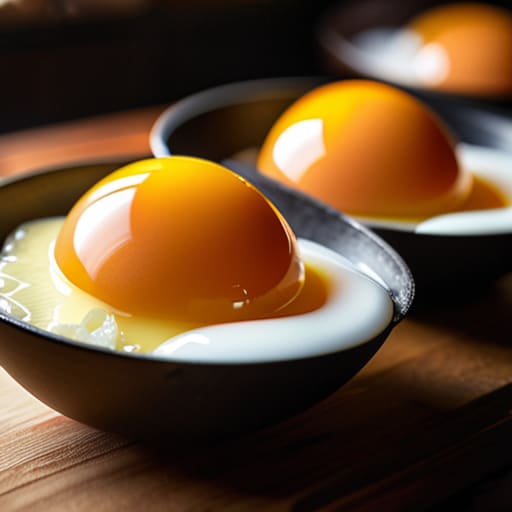
At the end of the day, nailing the perfect egg really comes down to respecting the basics. It isn’t about fancy gadgets or expensive ingredients; it’s about knowing your gear and controlling your heat. Once you’ve paired a reliable non-stick pan with a steady, low-to-medium temperature, you’ve already won half the battle. You’ll stop fighting with rubbery whites and messy, stuck-on bits, and instead start producing those silky, golden results that make breakfast feel like a luxury rather than a chore. Just remember: patience is your best ingredient when you’re working with something as delicate as an egg.
Don’t get discouraged if your first few attempts look a little more “scrambled” than “gourmet.” Even the best chefs have dealt with a broken yolk or a pan that was just a bit too hot. Cooking is a muscle, and every time you crack an egg, you’re getting better at reading the sizzle and feeling the texture. So, grab your pan, turn on the stove, and get messy in the kitchen. There is something incredibly rewarding about mastering a simple staple, and I promise, once you get that first perfect, runny yolk just right, you’ll be hooked for life.
Frequently Asked Questions
How do I stop my eggs from getting that weird, rubbery texture?
The biggest culprit is heat. Most people crank the stove to high, thinking it’ll cook faster, but that just tightens the protein fibers until they turn into bouncy little rubber balls. To keep things silky, pull the pan off the heat just before they look “done.” Residual heat will finish the job perfectly. Think of it as gentle coaxing, not a high-speed chase. Low and slow is your best friend here.
Is it actually worth using butter instead of oil, or is that just for flavor?
Look, if you’re just scrambling eggs for a quick protein fix, oil works fine. But if you want that restaurant-quality richness? Use butter. It’s not just about the flavor—though that nutty, toasted aroma is unbeatable—it’s about the texture. Butter carries fat differently, helping create those silky, tender edges you just can’t replicate with a heavy pour of olive oil. If you care about the experience, butter is non-negotiable.
What’s the secret to getting those perfectly runny yolks without breaking them?
The secret is all about the “gentle slide.” First, crack your egg into a small ramekin or bowl instead of straight into the pan—this lets you check for shells and prevents a heavy impact from rupturing the yolk. When it hits the heat, use a spoon to baste that hot fat over the whites while leaving the yolk untouched. It sets the top without needing to flip it and risk a disaster.