Sleep Hygiene Tips for Deeper, Better Rest

Look, I’m going to be blunt: most of the “expert” advice you find online about sleep hygiene tips is absolute garbage. I am so tired of seeing influencers peddle $200 weighted blankets or “sleep-inducing” lavender mists like they’re some kind of magic cure for a racing brain. If you think buying a fancy silk eye mask is going to fix the fact that you’re doomscrolling until 2 AM, you’re kidding yourself. Real rest isn’t about expensive gadgets; it’s about the gritty, often boring habits that actually signal to your nervous system that the day is over.
I’m not here to sell you a lifestyle or a subscription to a meditation app. Instead, I’m going to give you the raw, unvarnished truth about what actually works when you’re staring at the ceiling at 3 AM. I’ve spent years testing these methods on myself—failing, tweaking, and finally succeeding—so you don’t have to waste your time on the fluff. This is a no-nonsense roadmap of practical, zero-cost adjustments that will actually help you reclaim your nights and stop feeling like a walking zombie.
Table of Contents
Understanding the Brutal Sleep Deprivation Consequences
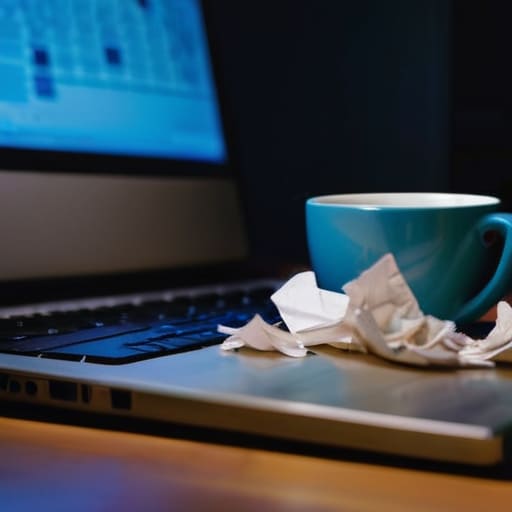
Let’s be real: we often treat sleep like an optional luxury, something we can just “catch up on” during the weekend. But your body doesn’t work like a bank account where you can settle the debt later. When you consistently ignore the sleep deprivation consequences, you aren’t just feeling a little groggy; you are essentially running your brain on emergency backup power. We’re talking about brain fog so thick you can’t remember where you put your keys, heightened irritability that makes you snap at everyone, and a complete meltdown of your focus.
It goes deeper than just being tired, though. When you mess with your internal clock, you’re throwing your entire system into chaos. Constant exhaustion wreaks havoc on your ability to regulate emotions and even messes with your metabolic health. It’s a downward spiral where your mental clarity vanishes, leaving you feeling like a shell of yourself. You can try to power through with extra caffeine, but you’re really just masking a much larger problem that needs to be addressed at the root.
Mastering Circadian Rhythm Regulation for Total Control
Think of your internal clock as a biological conductor. When it’s in sync, everything feels effortless; when it’s off, your entire day feels like a slog through mental sludge. To get this under control, you have to stop fighting your biology and start working with it. The easiest way to kickstart circadian rhythm regulation is to stop treating your bedroom like a second living room. If you’re scrolling through TikTok at midnight, you’re essentially telling your brain that it’s high noon, which completely nukes your ability to wind down.
Instead of just hoping you’ll feel tired, you need to curate your environment. This means prioritizing blue light exposure reduction at least an hour before you plan to crash. Swap the smartphone for a physical book or some low-fi music. By dimming the lights and cutting out the artificial glare, you’re signaling to your brain that it’s time to start melatonin production naturally. It’s not about being perfect; it’s about creating a predictable rhythm so your body finally knows when to shut down and actually stay down.
5 Ways to Stop Sabotaging Your Own Rest
- Ditch the screen an hour before bed. That blue light from your phone is basically a shot of espresso for your brain, tricking it into thinking it’s midday when it should be winding down.
- Watch the caffeine cutoff. If you’re slamming a latte at 4 PM, don’t act surprised when you’re staring at your ceiling at 2 AM. Try to keep the stimulants to the morning hours.
- Turn your bedroom into a cave. It needs to be dark, cool, and quiet. If your room feels like a sauna or a bright subway station, your body isn’t going to give in to sleep easily.
- Stop treating your bed like a second office. If you work, eat, or scroll through stressful news in bed, your brain starts associating that space with being alert rather than being relaxed.
- Watch what you eat before hitting the sack. A massive, heavy meal right before lying down is a recipe for heartburn and restless tossing that’ll keep you up half the night.
The Bottom Line: How to Stop Sabotaging Your Rest
Stop fighting your biology; if you don’t respect your internal clock, your brain is going to fight you every single morning.
Sleep isn’t a luxury or something you “fit in” when you’re done with work—it’s the literal foundation for not losing your mind during the day.
Forget the complicated science for a second and just focus on the basics: consistency, light control, and a predictable wind-down routine.
## The Hard Truth About Your Routine
“Stop treating sleep like a luxury you can squeeze in between scrolling and Netflix; treat it like the high-performance fuel your brain actually needs to function without crashing by noon.”
Writer
The Bottom Line
Look, we’ve covered a lot of ground here, from the sheer chaos of sleep deprivation to the science of syncing up with your internal clock. It isn’t just about “relaxing”; it’s about building a system that works with your biology instead of constantly fighting against it. Whether you’re adjusting your light exposure, tightening up your evening routine, or finally taking your circadian rhythm seriously, the goal is the same: consistency over perfection. You don’t need to overhaul your entire life overnight, but you do need to stop treating your rest like an afterthought and start treating it like the non-negotiable foundation it actually is.
At the end of the day, getting better sleep isn’t about following a rigid set of rules just for the sake of it. It’s about reclaiming your energy, your focus, and your sanity. You deserve to wake up feeling like a functioning human being rather than a walking zombie. Stop waiting for the “perfect” time to start fixing your habits—just pick one thing we talked about today and do it tonight. Small, intentional shifts are what eventually lead to a total lifestyle transformation. Go ahead, put the phone down, and actually give your brain the break it’s begging for.
Frequently Asked Questions
What if I can't fall asleep even after I've fixed my schedule and darkened the room?
Look, if you’ve done the prep work and your brain is still racing, stop fighting it. Tossing and turning for hours just trains your brain to associate your bed with anxiety. If you aren’t out in twenty minutes, get up. Go to another room, keep the lights low, and do something mind-numbing—like reading a dry manual or folding laundry. Don’t touch your phone. Only head back to bed when you actually feel heavy-eyed.
Does drinking coffee in the afternoon actually mess with my sleep as much as people say?
Short answer: Yes, it absolutely does. Even if you feel like you can pass out right after an espresso, that caffeine is still lurking in your system, blocking the “sleepiness” signals in your brain. It effectively trashes your sleep quality, leaving you feeling like a zombie the next morning. If you want to actually rest, make the afternoon a caffeine-free zone. Switch to herbal tea after lunch and save the buzz for the morning.
Is it worth it to buy expensive blackout curtains and sleep supplements, or is that just marketing fluff?
Look, don’t go dropping a paycheck on fancy supplements or designer curtains just because an influencer told you to. Most sleep aids are just expensive pee, and a melatonin gummy won’t fix a trashed schedule. Blackout curtains? Those actually work if your room is a light show, but a cheap eye mask does the same thing for ten bucks. Invest in a solid routine first; everything else is mostly just marketing fluff.