Pantry Staples That Make Any Meal Possible
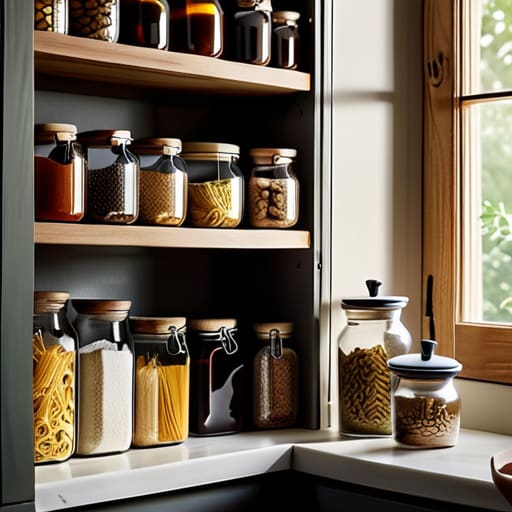
We’ve all been there: you’re halfway through a recipe that actually sounds delicious, you reach for that one crucial ingredient, and—nothing. You’re left staring at an empty cupboard, realizing your dinner plans just evaporated into a frantic, last-minute grocery run. It’s frustrating, it’s a total mood killer, and honestly, it’s completely avoidable. Building a collection of reliable pantry staples to always have isn’t about hoarding canned goods or turning your kitchen into a warehouse; it’s about creating a safety net that allows you to cook with confidence, even when the fridge looks a little sad.
I’m not interested in giving you a massive, overwhelming shopping list that takes up half your budget and all your shelf space. Instead, I want to narrow it down to the absolute heavy hitters. In this post, I’m sharing the five specific, high-impact items that transformed my cooking from “panic mode” to effortless creativity. These are the non-negotiables that will ensure you’re always just a few minutes away from a solid meal, no matter how chaotic your week gets.
Table of Contents
The Liquid Gold Standard
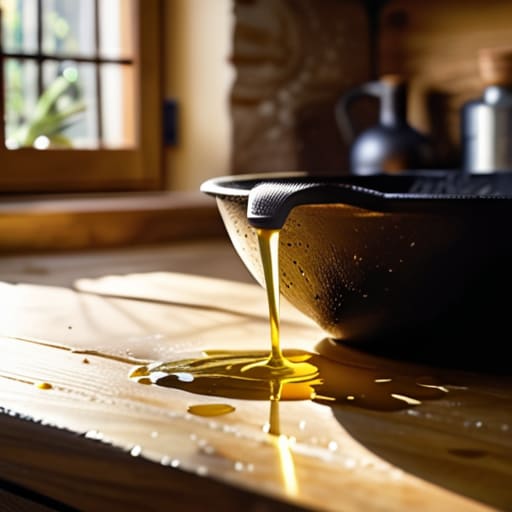
Let’s be real: running out of olive oil halfway through sautéing garlic is a special kind of kitchen heartbreak. You need a high-quality extra virgin olive oil that you aren’t afraid to actually use for more than just a tiny drizzle at the end. It’s the backbone of almost every Mediterranean-style meal, acting as both a cooking medium and a flavor enhancer that ties everything together.
The Grain That Saves Your Life
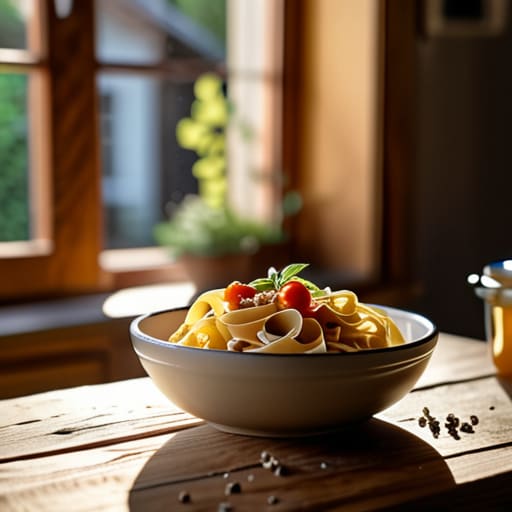
There is nothing quite as comforting as a bowl of pasta when the fridge looks completely empty and you have zero energy to meal prep. A box of high-quality dried pasta is basically an insurance policy against hunger. It’s shelf-stable, incredibly cheap, and can be transformed from a bland carb into a gourmet meal with just a little bit of butter or a jar of sauce.
The Flavor Bomb Duo
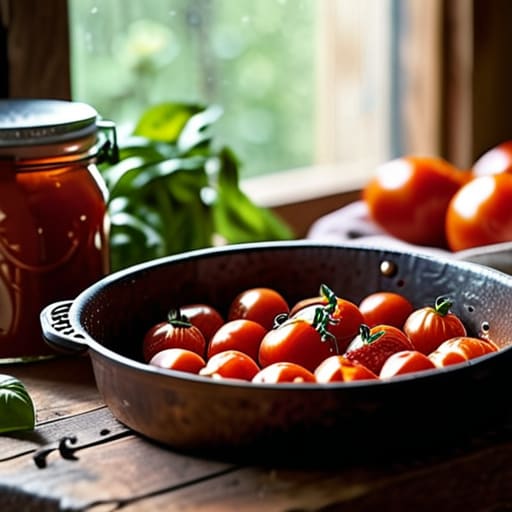
If you aren’t keeping dried or canned tomatoes in your pantry, you are essentially cooking with one hand tied behind your back. Whether it’s a tin of crushed tomatoes for a quick marinara or sun-dried ones for a pasta salad, they provide that essential acidic brightness that cuts through heavy fats. They are the secret weapon for building deep, complex sauces from scratch.
The Versatile Protein Anchor
I can’t stress this enough: canned beans are the ultimate pantry MVP. They are the fastest way to add substance to a meal without having to wait for something to defrost or marinate. From chickpeas tossed in a quick salad to black beans folded into a spicy taco filling, they provide that much-needed protein and fiber that keeps you full.
The All-Purpose Flavor Base
We all have those nights where we stare into the pantry and think, “I have food, but I don’t have a meal.” That is usually when a good stock or broth comes to the rescue. Whether you’re using it to cook your rice for extra dimension or as the base for a quick pan sauce, it adds a layer of savory richness that water simply cannot replicate.
The Bottom Line
Don’t overcomplicate it—you don’t need a gourmet warehouse, just a handful of reliable ingredients that prevent a mid-week kitchen crisis.
Think of your pantry as your safety net; having these basics on hand means you’re never one bad grocery run away from ordering expensive takeout.
Start small and build as you go, but prioritize items that offer the most versatility for the least amount of effort.
The Philosophy of the Well-Stocked Kitchen
A stocked pantry isn’t about hoarding groceries; it’s about buying yourself the freedom to cook whatever you’re craving without a last-minute, frantic run to the store.
Writer
The Bottom Line
At the end of the day, building a solid pantry isn’t about having a massive, overwhelming collection of gourmet ingredients that you’ll only use once. It’s about the heavy lifters—those reliable essentials like high-quality oils, versatile grains, and those flavor-boosting spices that turn a boring meal into something actually worth eating. When you have these five items on hand, you aren’t just storing food; you are essentially buying yourself time and reducing that mid-week decision fatigue that hits so hard on a Tuesday night.
Don’t feel like you need to overhaul your entire kitchen overnight. Start small, grab one or two of these items on your next grocery run, and build your collection as you go. There is a certain kind of quiet confidence that comes from opening your cupboard and knowing you can whip up something delicious without a frantic trip to the store. Once you master these basics, you’ll find that cooking stops feeling like a chore and starts feeling like total creative freedom. Happy cooking!
Frequently Asked Questions
How long can I actually keep these items before they go bad?
Here’s the reality: “Best by” dates are more like suggestions than hard deadlines. Most of these dry goods—think grains, pasta, and canned goods—are incredibly resilient and can sit in your pantry for a year or even longer if kept airtight. The real killers are moisture and heat. If something smells off or looks funky, toss it. When in doubt, trust your nose over a label; it’s not worth the food poisoning.
Are there specific brands I should look for, or is the generic stuff just as good?
Honestly? It depends on what we’re talking about. For stuff like dried beans, salt, or flour, save your money—the generic store brands are identical and work perfectly. But for the heavy hitters like olive oil or canned tomatoes, I’d splurge. A cheap, bitter olive oil can ruin a whole dish, whereas a high-quality one makes it. My rule of thumb: go generic for the basics, but buy the good stuff for the flavor drivers.
How much of each should I realistically buy to avoid cluttering my cabinets?
The secret is to stop buying for the “ideal” version of yourself and start buying for your actual habits. If you’re a weekend baker, a massive bag of flour is just a dust magnet; grab the smaller one. For things you use daily, like olive oil or rice, go for the mid-sized refillable containers. Aim for enough to last two weeks of heavy use, then reassess. If it’s sitting there gathering dust, you bought too much.