How to Make Salads You’ll Actually Look Forward to
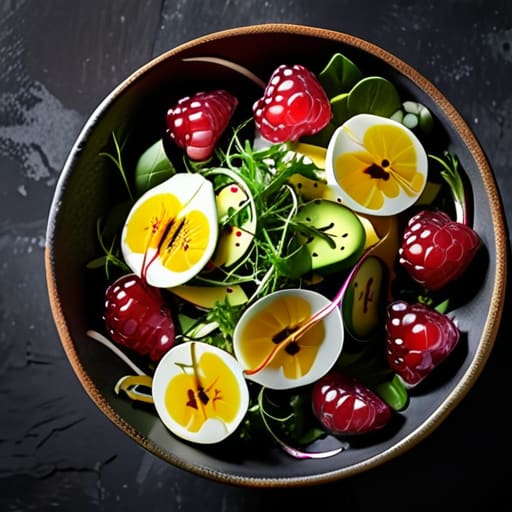
I remember sitting in a cramped college dorm kitchen, staring down a bowl of limp, translucent iceberg lettuce that tasted like absolutely nothing. I was trying so hard to be “healthy,” but every bite felt like a chore—a punishment disguised as a meal. I spent way too much time scrolling through those overly curated food blogs, searching for how to make salad interesting, only to find recipes that required twenty different exotic spices and a trip to a boutique grocery store I couldn’t afford. It was exhausting, and frankly, it was bullshit.
I’m done with the pretension and the $15 jars of organic emulsified nothingness. In this guide, I’m stripping away the fluff to give you the actual, gritty mechanics of building a bowl you’ll actually crave. We aren’t talking about “flavor profiles” or culinary jargon; we’re talking about the simple, dirty secrets of texture, acid, and fat that turn a sad pile of greens into something legendary. You don’t need a culinary degree or a massive budget—you just need to stop eating boring food.
Table of Contents
Mastering Flavor Balancing in Salads for Maximum Impact
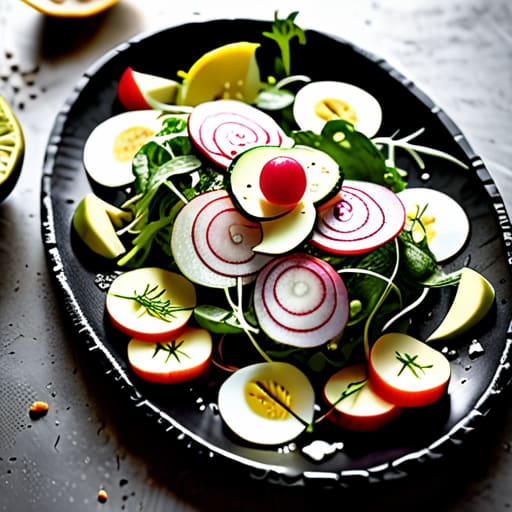
Most people fail at salads because they treat them like a side dish rather than a main event. The secret isn’t just tossing greens in a bowl; it’s about flavor balancing in salads so every bite hits different notes. You need that tug-of-war between acid and fat. If your salad feels heavy or “blah,” you’re likely missing a bright element like lemon juice or apple cider vinegar to cut through the richness of your cheese or avocado.
Once you’ve nailed the acidity, you have to play with contrast. This is where adding texture to salads becomes a game changer. A salad without crunch is just a pile of wet leaves. I’m talking about heavy-hitting additions like toasted pumpkin seeds, crispy chickpeas, or even crushed pita chips. When you combine a creamy component with something sharp and something crunchy, you stop eating a chore and start eating a real meal. Don’t be afraid to get aggressive with your seasoning—salt and pepper aren’t just for cooked food; they are essential for making those raw veggies actually sing.
Creative Salad Combinations That Actually Satisfy
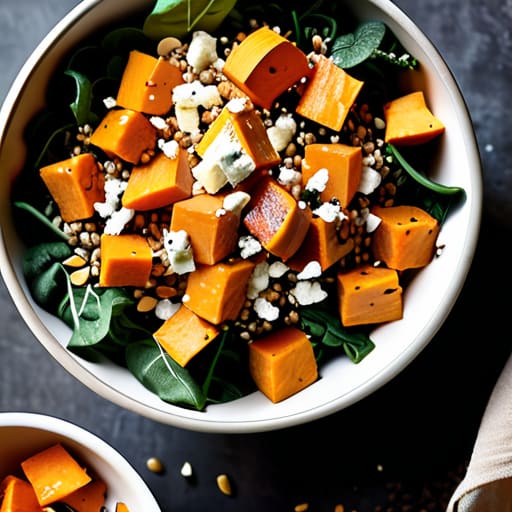
Look, the biggest mistake people make is treating a salad like a side dish rather than a centerpiece. If you’re just tossing arugula with some cherry tomatoes, you’re going to be hungry again in twenty minutes. To actually feel full, you need to lean into protein-packed salad ideas that play with temperature and weight. Think about a warm roasted sweet potato and quinoa bowl topped with feta and toasted pumpkin seeds. The contrast between the warm starch and the cold greens is what makes it feel like a real meal instead of a chore.
Don’t be afraid to get weird with your ingredients, either. I love pairing something creamy, like sliced avocado, with something sharp and acidic, like pickled red onions. This is where adding texture to salads becomes your secret weapon; you want that satisfying crunch to break up the softness. Throwing in some crispy chickpeas or even a handful of crushed pita chips can turn a limp pile of lettuce into something you actually look forward to eating. Stop playing it safe and start building layers.
The Secret Sauce: 5 Ways to Stop Making Sad Salads
- Temperature play is everything. If you’re just eating cold, limp greens, you’re doing it wrong. Toss in some warm, roasted sweet potatoes or even some pan-seared shrimp to give your mouth something to actually wake up to.
- Don’t skimp on the crunch. A salad without texture is just wet grass. You need heavy hitters like toasted pepitas, sourdough croutons, or even crushed pita chips to keep things from feeling like a chore to chew.
- Get aggressive with your dressings. Stop using that thin, watery supermarket stuff. Make a quick vinaigrette with real Dijon mustard and a splash of something funky like apple cider vinegar or even a bit of miso to actually coat the leaves.
- The “Salt and Acid” rule. If your salad tastes flat, it’s probably not because it needs more lettuce—it needs salt and acid. A sprinkle of flaky sea salt and a squeeze of fresh lemon juice can turn a boring bowl into something restaurant-quality.
- Use “heavy” ingredients to kill the hunger. A salad shouldn’t just be a side dish; it should be a meal. Add things that actually stick to your ribs, like chickpeas, hard-boiled eggs, or chunks of feta, so you aren’t hunting for a snack twenty minutes later.
The Cheat Sheet for Better Salads
Stop treating greens like a chore; use texture, acid, and fat to turn a pile of leaves into a meal you actually want to eat.
Ditch the pre-packaged stuff and start building combinations that play with sweet, salty, and crunchy elements.
If your salad feels “incomplete,” it’s probably missing a punchy dressing or a heavy-hitter ingredient like toasted nuts or cheese.
## The Golden Rule of Greens
“A salad shouldn’t feel like a punishment you’re enduring to hit your macros; it should feel like a deliberate, crunchy, flavor-packed event that you actually look forward to eating.”
Writer
Stop Settling for Sad Salads
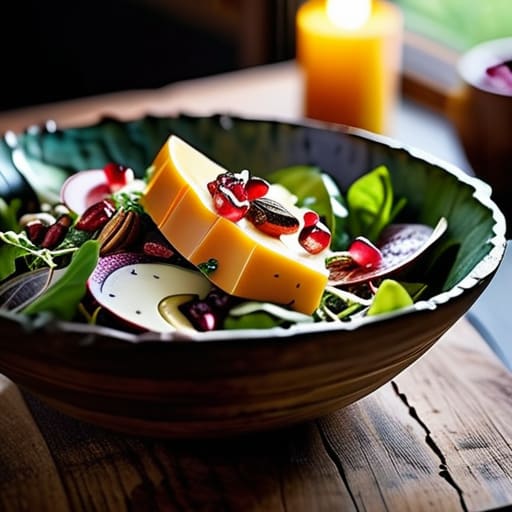
Look, making a salad that doesn’t taste like a chore really comes down to a few simple shifts in how you think about your bowl. It’s about moving past that basic pile of lettuce and actually thinking like a chef. You’ve got to lean into those contrasting textures, balance out the heavy fats with a hit of acid, and stop being afraid to throw in ingredients that don’t “traditionally” belong together. Whether it’s a handful of toasted seeds for crunch or a funky cheese to cut through the sweetness, the goal is to hit every part of your palate. Once you stop following the rules and start prioritizing flavor over convention, you’ll realize that a salad can actually be the highlight of your meal rather than an afterthought.
At the end of the day, there is no “correct” way to build a salad—there is only the way that makes you want to go back for seconds. Don’t get stuck in a rut of repeating the same three mediocre recipes just because they’re easy. Treat your bowl like a blank canvas and let your cravings lead the way. If you want something spicy, salty, or even a little bit decadent, just do it. The moment you stop viewing salad as a “diet food” and start seeing it as a playground for fresh ingredients, you’ve officially won the game.
Frequently Asked Questions
How do I stop my salad from getting soggy if I'm prepping it ahead of time for lunch?
The secret is simple: keep the wet stuff away from the crunchy stuff. If you’re prepping for lunch, treat your dressing like a separate entity—keep it in a tiny container and only pour it on right before you dive in. Also, layer your jar like a science experiment: dressing on the bottom, then heavy veggies (like cucumbers or chickpeas), then your greens at the very top. This keeps the leaves dry and crisp until you’re ready.
Is there a way to make salads feel like a full meal without just dumping a pile of heavy carbs on top?
The secret isn’t more pasta; it’s about strategic satiety. You need to lean heavily on healthy fats and high-quality proteins to actually switch off those hunger signals. Think creamy avocado, a handful of toasted seeds, or a generous portion of grilled halloumi. When you combine those fats with a solid protein base, you’re building a meal that sticks to your ribs instead of leaving you hunting for snacks twenty minutes later.
What are some cheap, pantry-staple toppings that add a lot of flavor without breaking the bank?
Look, you don’t need expensive organic microgreens to fix a boring salad. Dig into your pantry. A handful of toasted sunflower seeds or those leftover croutons adds instant crunch. Dried cranberries or raisins bring that necessary hit of sweetness, and a sprinkle of red pepper flakes or even just some old, hard parmesan can change everything. These little shelf-stable lifesavers are dirt cheap and do way more heavy lifting than any fancy boutique topping.