A Beginner Home Workout You Can Do in Your Living Room
Let’s be real: you don’t need a $2,000 smart bike or a subscription to some high-production fitness app to actually see results. I am so tired of seeing influencers claim that you need a garage full of expensive equipment just to get started. It’s a total lie designed to empty your wallet, and frankly, it’s the fastest way to kill your motivation before you even break a sweat. If you’re actually looking for a legitimate home workout for beginners, the truth is much simpler—and much cheaper—than the fitness industry wants you to believe.
I’m not here to sell you a dream or a complicated 12-step system that requires a PhD to follow. Instead, I’m giving you the raw, unfiltered blueprint based on what actually works when you’re working with zero gear and limited space. I’ll show you how to build a foundation that sticks, focusing on real movement rather than flashy trends. This is about stripping away the fluff and giving you a practical, no-nonsense guide to reclaiming your fitness from the comfort of your own living room.
Table of Contents
- Mastering Your Full Body Beginner Routine at Home
- Building Muscle Without Gym Equipment Using Pure Willpower
- Five Reality Checks to Keep You From Quitting by Week Two
- The Bottom Line: How to Actually Stick With This
- The Real Truth About Starting Small
- The Finish Line is Just the Starting Line
- Frequently Asked Questions
Mastering Your Full Body Beginner Routine at Home
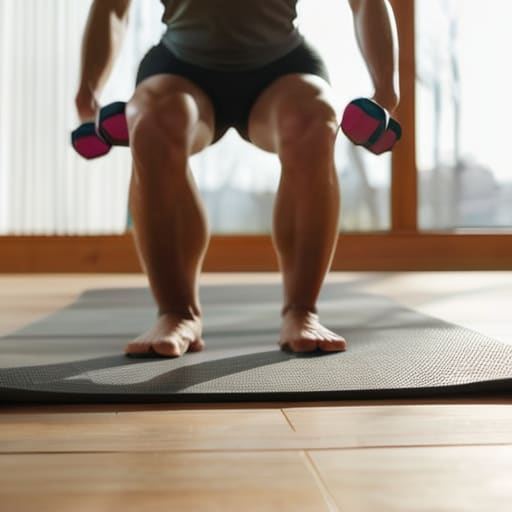
The secret to not burning out in your first week is focusing on a solid full body beginner routine rather than trying to crush one specific muscle group. When you’re starting from scratch, your goal is to wake up your nervous system and get your joints moving. I always tell people to prioritize compound movements—think squats, lunges, and push-ups—because they hit multiple muscle groups at once. This approach is the most efficient way to see results when you’re working with limited time and space.
Don’t feel like you need to be doing high-intensity burpees every single day to see progress. In fact, incorporating low impact home workouts can actually help you stay consistent without feeling like you’ve been hit by a truck. If your knees are feeling a bit tender or you’re just having an “off” day, swap the jumping jacks for some controlled step-ups or glute bridges. The real magic happens when you focus on perfecting your form rather than just chasing a high heart rate. It’s about building a foundation that lasts.
Building Muscle Without Gym Equipment Using Pure Willpower
Let’s get real: you don’t need a $50-a-month membership or a rack of heavy dumbbells to see actual physical changes. The biggest misconception is that muscle growth requires external resistance, but your own body is a surprisingly effective weight. When you focus on building muscle without gym equipment, the secret isn’t in the gear—it’s in the intensity. You have to push your muscles to the point where they have no choice but to adapt. If you aren’t feeling that deep, slow burn by the end of a set, you aren’t working hard enough.
To make this work, you need to master the art of progressive overload using nothing but gravity and grit. Instead of just doing twenty easy reps, try slowing down the movement. Take four seconds to lower yourself during a push-up or hold a squat at the bottom for a beat. This increased time under tension is what turns basic bodyweight exercises for fitness into legitimate muscle-building tools. It’s about making every single rep count rather than just rushing through a checklist to get it over with.
Five Reality Checks to Keep You From Quitting by Week Two
- Stop waiting for the “perfect” moment or the perfect setup. If you’re waiting for a fancy yoga mat or a set of dumbbells to arrive before you start, you’ve already lost. Clear a space on your living room floor, grab a water bottle, and just move. Momentum beats equipment every single time.
- Consistency is your only real superpower. It is infinitely better to do a mediocre 15-minute workout three times a week than to attempt a grueling hour-long session once and then spend the next ten days too sore to walk. Build the habit first; the intensity will follow naturally.
- Learn to embrace the “ugly” reps. When you’re training at home without a trainer watching, it’s easy to cheat the form to make the numbers look better. Don’t do it. A slow, controlled push-up where you actually feel your chest working is worth ten “ego” reps where you’re just swinging your body around.
- Track your wins, even the tiny ones. Since you aren’t walking into a gym and seeing people lift heavy weights, you might feel like you aren’t progressing. Keep a notebook or a simple note on your phone. When you see that you did 12 squats today instead of 10 last week, that’s your proof that it’s working.
- Manage your environment so you don’t get distracted. If you’re working out in the same room where you watch Netflix or scroll through social media, your brain is going to fight you. Put your phone on ‘Do Not Disturb,’ throw on a high-energy playlist, and create a mental boundary that says: “This time is for work.”
The Bottom Line: How to Actually Stick With This
Stop waiting for the “perfect” setup; your living room floor and your own body weight are all you need to see real progress right now.
Consistency beats intensity every single time—it’s better to do a quick, messy workout than to skip it entirely because you’re tired.
Focus on mastering the basic movements first, because if your form is trash, you’re just asking for an injury instead of results.
The Real Truth About Starting Small
“Forget the fancy machines and the expensive memberships; the hardest part of a home workout isn’t the push-ups, it’s the decision to stop negotiating with your couch and just start moving.”
Writer
The Finish Line is Just the Starting Line
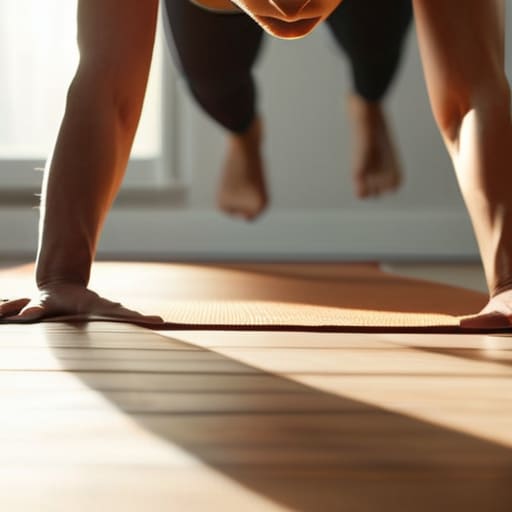
Look, we’ve covered a lot of ground here. We talked about how to structure a full-body routine that actually makes sense, and we broke down how you can use nothing but your own body weight and a bit of grit to build real muscle. The takeaway is simple: you don’t need a fancy membership or a room full of chrome dumbbells to see results. All you really need is a consistent plan and the willingness to show up when you don’t feel like it. By mastering these basic movements and focusing on progressive overload, you’ve already done more than most people who spend their lives “planning” to get fit without ever actually moving.
At the end of the day, perfection is the enemy of progress. Don’t wait for the perfect moment, the perfect lighting, or the perfect set of weights to arrive before you start taking yourself seriously. The most important rep is the one you do today, even if it’s messy and even if you’re tired. Fitness isn’t a destination you reach and then stop; it’s a lifelong way of moving through the world. So, wipe the sweat off, clear some space on your living room floor, and just start moving. You’ll thank yourself a month from now.
Frequently Asked Questions
How often should I actually be working out to see results without burning out?
Look, don’t fall into the trap of thinking you need to crush it seven days a week. That’s the fastest way to hit a wall and quit entirely. Aim for three to four days of solid work, leaving plenty of room for recovery. Your muscles actually grow while you’re resting, not while you’re sweating. Consistency beats intensity every single time—showing up four days a week, every week, will beat a frantic two-week sprint.
Do I really need to buy those cheap resistance bands, or can I just keep using bodyweight?
Look, if you’re just starting out, don’t go out and blow your budget on gear. Bodyweight is more than enough to build a solid foundation and wake up your muscles. You can master the basics—squats, push-ups, planks—long before you need extra tension. Save those few bucks for better food or decent shoes. Once you feel like you’ve truly plateaued and everything feels “too easy,” then we can talk about adding bands.
What should I do if my progress stalls and I stop seeing changes in my body?
Look, hitting a plateau is completely normal—it’s actually a sign your body has adapted to the work you’re doing. To break through, you need to shake things up. Stop doing the exact same reps and sets; try increasing your intensity, shortening your rest periods, or adding a few more reps to every set. Most importantly, check your fuel. If you aren’t eating enough protein or sleeping well, your body simply won’t change.