How to Cook Great Meals on a Tight Budget
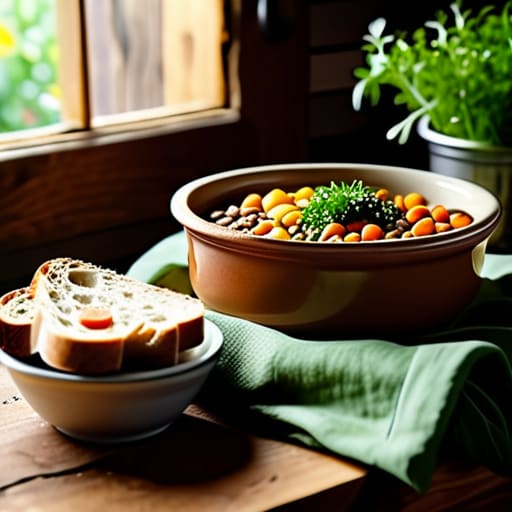
I’m so tired of seeing those “budget meal” influencers post videos of themselves making $20 organic acai bowls and calling it frugal. Let’s be real: if you have to spend half your paycheck on “pantry staples” that come in fancy glass jars, you aren’t actually learning how to cook on a budget—you’re just participating in a different kind of consumerism. Real frugal cooking isn’t about following a curated aesthetic or buying expensive “superfoods” that promise to save your life; it’s about the gritty, unglamorous, and incredibly satisfying art of making actual flavor out of basic, dirt-cheap ingredients.
I’m not here to sell you on a lifestyle you can’t afford or a meal plan that requires a culinary degree. Instead, I’m going to share the raw, battle-tested strategies I’ve used to turn a handful of dried beans and some seasonal veggies into something that actually tastes like a reward. I promise to give you nothing but straight-talk, experience-based advice that focuses on maximizing taste while minimizing the damage to your bank account. No fluff, no expensive gimmicks—just real food for real people.
Table of Contents
Strategic Meal Planning for Savings and Flavor
Most people approach mealtime as a series of panicked, last-minute decisions, which is exactly how money disappears. When you’re staring at an empty fridge at 6:00 PM, you aren’t just hungry; you’re vulnerable to expensive takeout. The secret to breaking this cycle is intentional meal planning for savings. Instead of wandering the aisles aimlessly, try mapping out your week based on what you already have. It’s about working backward from your pantry rather than forward from a craving.
Once you have a rough roadmap, focus on building meals around affordable pantry staples like dried lentils, rice, and canned tomatoes. These ingredients are the backbone of high-flavor, low-cost cooking. If you can master a few versatile bases, you can pivot from a Mediterranean bean stew to a spicy coconut dal without breaking the bank. This isn’t about eating bland food; it’s about being strategic with your ingredients so that every cent spent actually contributes to a delicious, filling meal.
The Secret Arsenal of Affordable Pantry Staples
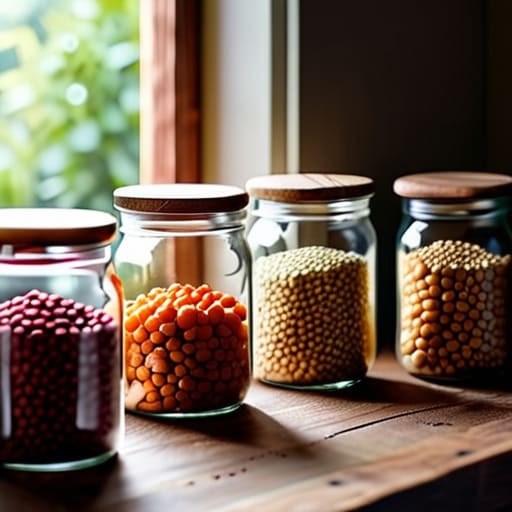
If you want to stop bleeding money at the checkout counter, you have to stop treating your pantry like an afterthought. The real magic happens when you build your meals around affordable pantry staples that have a long shelf life and a massive flavor payoff. I’m talking about the heavy hitters: dried lentils, jasmine rice, canned chickpeas, and crushed tomatoes. These aren’t just “filler” foods; they are the foundation of almost every great meal. When you have a stock of these basics, you’re never truly “out of food,” even when your fridge looks a little depressing mid-week.
The real trick to mastering grocery shopping on a budget is shifting your mindset from buying specific recipes to buying versatile ingredients. Instead of hunting for a specific pre-packaged meal kit, grab a bag of quinoa or a box of pasta. These items act as a blank canvas that can be transformed with whatever stray vegetables or spices you have lying around. By focusing on these long-lasting essentials, you aren’t just saving cash—you’re actually reducing food waste by ensuring nothing in your cupboard goes bad before you can use it.
Master the Art of the Low-Cost Kitchen
- Stop being a slave to the recipe book. Learn to cook “by vibe” using what you already have in the fridge so you aren’t constantly running to the store for that one specific, expensive herb.
- Embrace the frozen aisle like it’s your best friend. Frozen veggies are picked at peak ripeness, they won’t rot in your crisper drawer after three days, and they cost a fraction of the fresh stuff.
- Ditch the pre-cut convenience trap. You’re paying a massive premium for someone else to slice your onions and wash your lettuce; grab a knife and do the five minutes of work yourself to save a few bucks.
- Make your meat work harder. Instead of a giant steak being the star of the show, chop it up and toss it into a massive stir-fry or a hearty stew where it stretches across four different meals.
- Master the “Leftover Remix.” Don’t just reheat last night’s dinner; transform it. Turn last night’s roasted chicken into today’s tacos, or turn that extra scoop of rice into a crispy fried rice situation.
The Bottom Line for Your Wallet and Your Plate
Stop treating meal planning like a chore and start seeing it as your secret weapon for avoiding those expensive, last-minute takeout runs.
Build your meals around versatile pantry staples like grains and beans so you’re never staring at an empty fridge or a high grocery bill.
Focus on maximizing flavor through smart seasoning rather than expensive ingredients; a little spice goes a long way when you’re working with basics.
The Golden Rule of Frugal Cooking
“Cooking on a budget isn’t about deprivation or eating bland, sad meals; it’s about the clever alchemy of turning a few cents worth of beans and spices into something that tastes like a damn masterpiece.”
Writer
The Bottom Line on Budget Cooking
At the end of the day, cooking on a budget isn’t about deprivation or eating bland, uninspired meals; it’s about being intentionally smart with your resources. By mastering the art of strategic meal planning and building a rock-solid foundation of versatile pantry staples, you stop letting your money leak away on impulse buys and expensive takeout. You’ve learned that the real magic happens when you stop viewing ingredients as expensive luxuries and start seeing them as building blocks for flavor. Once you have the right basics on hand and a rough roadmap for the week, the stress of the “what’s for dinner” question starts to fade, replaced by a sense of control over both your kitchen and your wallet.
Don’t feel like you have to overhaul your entire lifestyle overnight. Start small—maybe just one dedicated grocery list or one new pantry staple this week—and let the momentum build from there. Cooking well shouldn’t feel like a chore or a financial burden; it should be a way to reclaim your time and your health. Remember, the most delicious meals aren’t always the ones that cost the most, but the ones made with a little bit of creativity and a lot of intention. You’ve got the tools, you’ve got the knowledge, and now it’s time to get cooking.
Frequently Asked Questions
How do I avoid wasting food when I'm buying in bulk to save money?
The biggest trap with bulk buying is the “buy it and forget it” mentality. To stop throwing money in the trash, treat your freezer like a second pantry—portion everything out immediately so you aren’t defrosting a giant block of meat just for one taco night. Also, follow the FIFO rule: First In, First Out. Rotate your older stock to the front of the shelf so you actually use it before it turns into a science project.
Can I actually eat healthy on this budget, or am I just going to be living on pasta and canned goods?
Look, I get it. The fear of the “beige diet”—just endless bowls of plain pasta and lukewarm canned soup—is real. But honestly? That’s a choice, not a budget requirement. You aren’t just surviving; you’re eating well. If you lean into frozen veggies, spices, and smart protein swaps, you can have vibrant, nutrient-dense meals that actually taste like something. It’s less about deprivation and more about learning how to make simple ingredients work harder for you.
What are some quick, cheap meal ideas for those nights when I'm too exhausted to follow a complex recipe?
We’ve all been there—staring into the fridge at 7 PM with zero brainpower left. When you’re running on fumes, skip the gourmet stuff. Go for “assembly meals”: a loaded quesadilla with canned black beans, a quick pesto pasta using that jar in the pantry, or even a sophisticated breakfast-for-dinner with scrambled eggs and toast. These aren’t culinary masterpieces, but they’re fast, cheap, and keep you from reaching for the expensive takeout menu.