How to Cook Perfect Rice Every Single Time
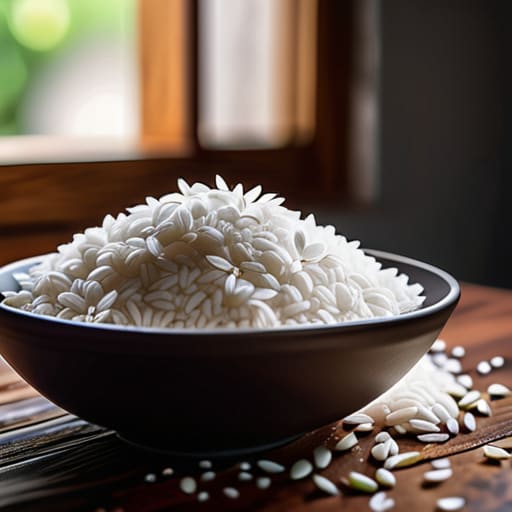
I still remember the absolute heartbreak of my first solo dinner party, standing over a pot of what I thought was jasmine rice, only to realize I’d produced a steaming pile of unidentifiable glue. I had followed every single “expert” tip online, yet somehow ended up with a texture that belonged in a kindergarten craft project rather than on a dinner plate. Learning how to cook rice perfectly isn’t about following some sacred, complicated ritual or buying a $300 high-tech cooker; it’s about understanding the basic, gritty physics of water and starch so you never have to scrape a burnt, gummy mess off the bottom of a pot again.
Forget the overly polished tutorials that make this look like rocket science. I’m going to strip away the fluff and give you the actual, battle-tested methods that work in a real, messy kitchen. We’re going to talk about the stuff people usually skip—like why your rinsing technique is actually everything—and I’ll show you how to master the heat without losing your mind. This is the straight-talk guide to getting fluffy, distinct grains every single time, no matter what kind of rice you’re working with.
Table of Contents
Mastering the Rice to Water Ratio
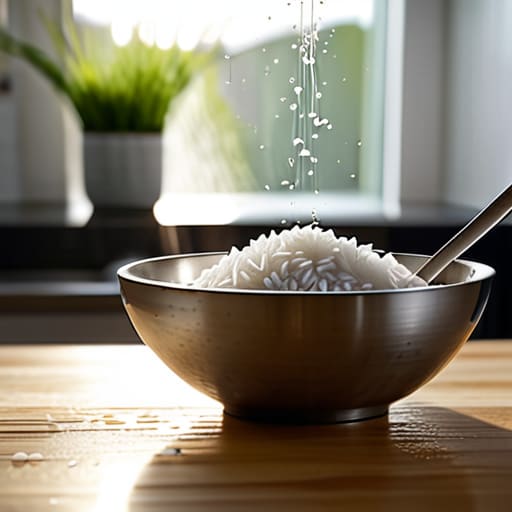
Look, if there’s one thing that ruins a meal faster than a burnt sauce, it’s getting your rice to water ratio wrong. Most people just eyeball it, tossing in a splash of water and hoping for the best, but that’s a one-way ticket to a gummy disaster. If you’re working with long-grain varieties, you need to be precise. A good rule of thumb is a 1:2 ratio, but honestly, even that can be tricky depending on how much you were rinsing white rice beforehand. The more starch you wash away, the more water the grains will actually absorb.
If you’re using a stovetop rice method, patience is your best friend. Once you hit a boil, drop that heat to the lowest setting and do not touch the lid. Peeking is the ultimate sin; every time you lift it, you’re letting out the steam that actually cooks the core of the grain. If you’re using a machine, just stick to the specific rice cooker settings provided by the manufacturer, as those are calibrated to handle the humidity levels for you.
The Essential Art of Rinsing White Rice
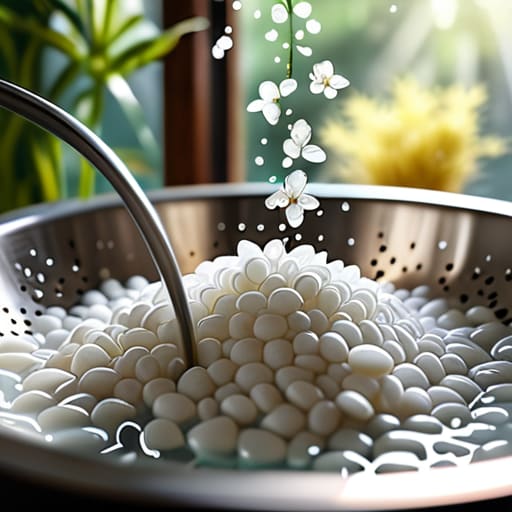
Look, I know it feels like an extra, tedious step when you’re hungry, but if you skip rinsing white rice, you’re basically asking for trouble. Most of the grains you buy are coated in a fine layer of surface starch. If you don’t wash that off, that starch dissolves into the cooking water, turning your beautiful, individual grains into a clumpy, gluey nightmare. I’ve made that mistake more times than I’d like to admit, and let me tell you, nothing ruins a meal faster than a bowl of white paste.
Don’t go overboard with a high-pressure spray, either. Just put your rice in a bowl, fill it with cold water, swish it around with your hand, and pour out the cloudy liquid. Repeat this until the water is mostly clear. This is one of those non-negotiable jasmine rice cooking tips that separates the pros from the amateurs. It’s the secret to getting that clean, distinct texture every single time. Once you get used to the rhythm, it takes maybe sixty seconds, but the payoff in texture is absolutely massive.
The "Secret Sauce" Tactics for Flawless Grains
- Don’t touch that lid. I know the temptation to peek is real, but every time you lift it, you’re letting out the steam that’s actually doing the heavy lifting. Keep it sealed tight until the timer’s up.
- Let it rest. This is the part everyone skips, but it’s non-negotiable. Once the heat is off, let the pot sit undisturbed for at least 10 minutes. This allows the moisture to redistribute so the bottom layer isn’t a swamp and the top isn’t bone-dry.
- Use the right pan. If you’re using a pot with a loose-fitting lid, you’re fighting a losing battle with evaporation. Find something with a heavy, tight lid to trap every bit of that precious steam.
- Stop stirring mid-cook. I’ve seen people stir rice like they’re making risotto, and it’s a disaster. Stirring breaks the delicate grains and releases too much starch, turning your fluffy side dish into a bowl of wallpaper paste.
- Fluff, don’t mash. When you finally go in with a fork or a rice paddle, be gentle. You’re looking to aerate the grains and separate them, not crush them into a pulp. Think of it as a light massage, not a workout.
The Cheat Sheet for Perfect Grains
Stop guessing with your measurements—stick to a strict ratio and use a level measuring cup every single time to avoid the dreaded mushy texture.
Don’t skip the rinse; scrubbing that excess starch off is the difference between individual, fluffy grains and a sticky, gluey clump.
Patience is your best tool—once the heat is off, let that pot sit undisturbed for at least ten minutes so the steam can finish the job properly.
## The Golden Rule of the Pot
“Stop treating rice like a set-it-and-forget-it side dish; it’s a temperamental living thing that demands respect, a clean rinse, and a little bit of patience if you want anything other than a bowl of expensive glue.”
Writer
The Final Grain
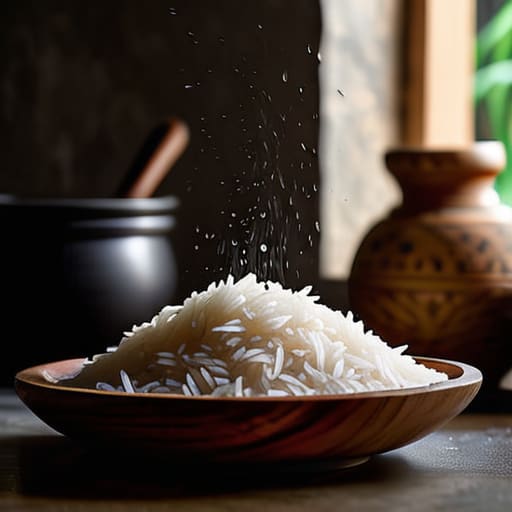
At the end of the day, perfect rice isn’t about following a rigid, mathematical formula; it’s about respecting the process. Once you’ve mastered the delicate balance of your water-to-grain ratio and embraced the non-negotiable ritual of rinsing away that excess starch, you’ve already won half the battle. Remember, whether you’re working with long-grain Basmati or a short-grain sushi rice, the secret lies in the details—the precise measurements, the patience during the steam, and the discipline to let it rest before you ever touch it with a fork. If you skip these steps, you’re just gambling with your dinner, and nobody wants a bowl of gummy, flavorless mush.
Don’t let the fear of a single burnt pot hold you back from becoming a kitchen pro. Cooking is inherently messy, and honestly, even the best chefs have had a few “rice disasters” along the way. What matters is that you keep experimenting, keep tasting, and keep refining your technique until that perfect, fluffy texture becomes second nature to you. Once you nail this fundamental skill, you’ll find that a simple bowl of rice can transform from a boring side dish into the absolute star of your meal. Now, get in there, turn on the stove, and go make something delicious.
Frequently Asked Questions
What if I accidentally add too much water halfway through the process?
Don’t panic—you haven’t ruined dinner yet. If you catch it early, grab a lid and let it simmer uncovered for a few extra minutes to let that excess moisture evaporate. If the rice is already getting a bit soft, drain the extra liquid through a fine-mesh strainer immediately. Once it’s drained, spread it out on a baking sheet for a few minutes to let the steam escape so it doesn’t turn into a gummy clump.
Can I use the same ratio for brown rice, or do I need to change things up?
Short answer: Absolutely not. If you try to use your white rice ratio for brown rice, you’re going to end up with something that’s basically crunchy gravel. Because brown rice still has that tough outer bran layer, it needs way more hydration and a lot more time to soften up. While white rice is usually a quick 1:1.5 or 1:2 deal, you’ll want to aim for closer to 1:2.5 for brown rice. Patience is key here.
Does it actually matter if I use a heavy pot versus a standard saucepan?
Does it matter? Honestly, it’s a game-changer. If you’re using a thin, flimsy saucepan, you’re basically begging for hot spots and burnt bottoms. A heavy-bottomed pot—think Dutch oven or a thick stainless steel pot—distributes heat much more evenly. It acts like a buffer, preventing that sudden spike in temperature that turns your beautiful grains into a scorched crust. If you want consistent, fluffy rice every single time, go heavy.