How to Cook Vegetables So They Actually Taste Great
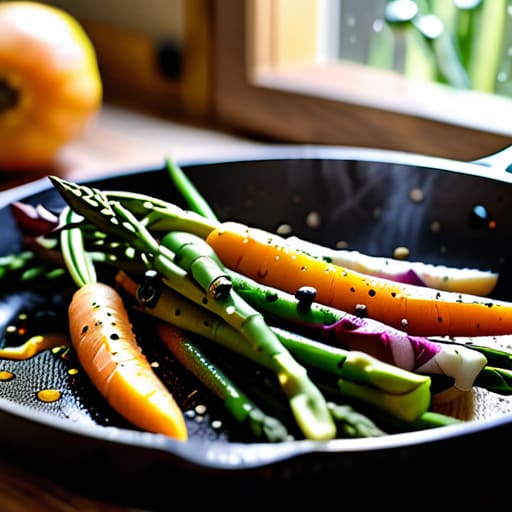
I still remember sitting in my high school cafeteria, staring down a pile of gray, mushy peas that looked more like wet gravel than actual food. It was the kind of meal that made you swear you’d never enjoy a healthy dinner as long as you lived. For years, I thought that learning how to cook vegetables meant a choice between flavorless, boiled sadness or some absurdly complicated recipe involving truffle oils and tools I didn’t own. Most “expert” advice out there is either way too precious or completely misses the point of what we actually want: food that tastes damn good without turning into a chore.
I’m not here to give you a lecture on micronutrient density or some overly curated list of kitchen gadgets you’ll never use. Instead, I’m going to show you the real-world shortcuts and simple techniques that actually work when you’re tired and hungry. We’re going to strip away the pretension and focus on how to get texture, seasoning, and flavor right every single time. Consider this your no-nonsense guide to making greens and roots something you actually look forward to eating.
Table of Contents
The Best Vegetable Cooking Methods for Real Flavor
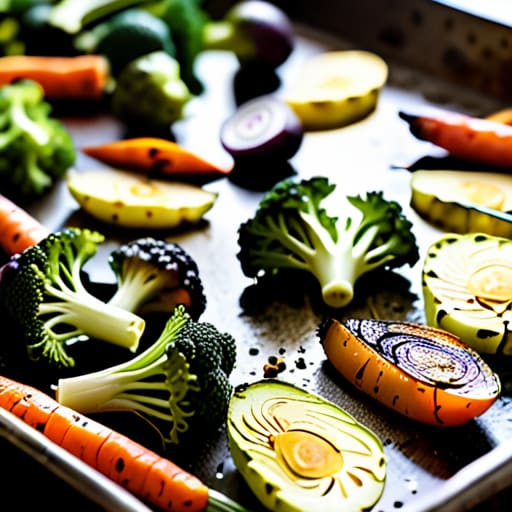
If you’re tired of mushy, flavorless sides, you need to stop treating your produce like an afterthought. The real secret to making people actually want seconds is choosing the right technique for the specific vegetable in front of you. For most hearty stuff like carrots, broccoli, or Brussels sprouts, I’m a massive advocate for roasting at high heat. When you toss them in olive oil and get them in a hot oven, the natural sugars caramelize, turning a boring veggie into something sweet and crispy. It’s easily one of the best vegetable cooking methods if you want depth of flavor.
On the flip side, if you’re working with something delicate like asparagus or snap peas, you don’t want to incinerate them. This is where the debate of steaming vs roasting vegetables usually comes down to texture. Steaming is great for keeping things bright and snappy, but if you want to level up, try a quick sauté in a pan with a little garlic and butter. It’s one of those quick vegetable side dishes that feels gourmet but takes about five minutes of actual effort.
Steaming vs Roasting Vegetables Choosing Your Weapon
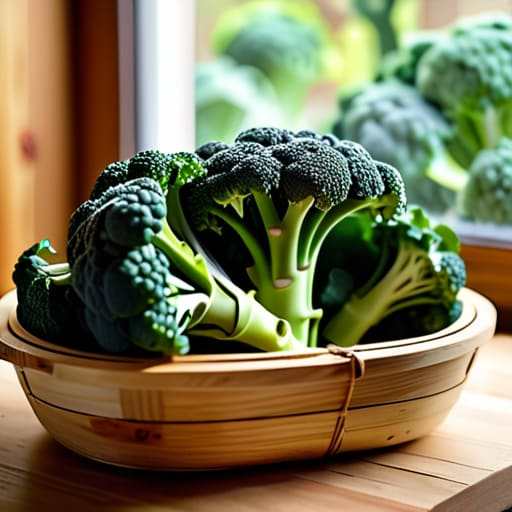
When you’re staring at a pile of broccoli wondering whether to hit the stovetop or the oven, you’re essentially deciding between freshness and intensity. Steaming is your go-to when you want to keep things light and clean. It’s one of those healthy vegetable preparation tips that actually works because it preserves that vibrant color and snappy texture without drowning everything in oil. If you’re looking for quick vegetable side dishes that won’t leave you feeling weighed down, steaming is the undisputed king. Just keep an eye on the clock—nothing ruins a meal faster than mushy, grey cauliflower.
On the flip side, if you want flavor that actually punches through, you need to roast. This is where the magic happens. When you’re weighing steaming vs roasting vegetables, remember that roasting uses dry heat to caramelize the natural sugars, turning a boring carrot into something sweet and addictive. It’s all about the Maillard reaction here. Just toss them in some olive oil and don’t be shy with the salt; seasoning vegetables for flavor is much easier when you have those crispy, charred edges to work with.
5 Ways to Stop Making Sad, Mushy Veggies
- Salt your water like the ocean. If you’re boiling or blanching, don’t be shy with the salt; it’s your only chance to season the vegetable from the inside out before it hits the plate.
- Size matters. If you’re throwing a mix of carrots and snap peas into the same pan, chop the carrots smaller. If everything isn’t the same size, you’ll end up with a plate of half-cooked chunks and mush.
- Dry your greens like your life depends on it. If you’re going to sauté or roast, make sure those veggies are bone-dry after washing. Any leftover water just turns your pan into a soggy, steaming mess instead of getting that nice sear.
- Don’t crowd the pan. I know it’s tempting to dump the whole bag in at once, but if the pan is too full, the temperature drops and your veggies will boil in their own juices. Give them some breathing room so they actually brown.
- Use the “Fork Test” instead of a timer. Every stove is different and every vegetable has a different moisture content. Stop obsessing over the clock and just poke them; you’re looking for “tender-crisp,” not “falling apart.”
The Cheat Sheet for Better Veggies
Stop treating every vegetable like a boiled potato; use high heat for roasting when you want flavor and steam when you actually care about texture.
Don’t be afraid of salt, fat, or acid—if your greens taste sad, they probably just need a little olive oil and a squeeze of lemon.
Texture is everything, so aim for “tender-crisp” rather than mushy, because nobody actually enjoys eating vegetable puree.
## The Golden Rule of the Skillet
Stop treating vegetables like an afterthought or a side dish you’re just trying to “get through”—if you treat them with the same respect as a steak, they’ll actually start tasting like something you want to eat.
Writer
Stop Settling for Boring Sides
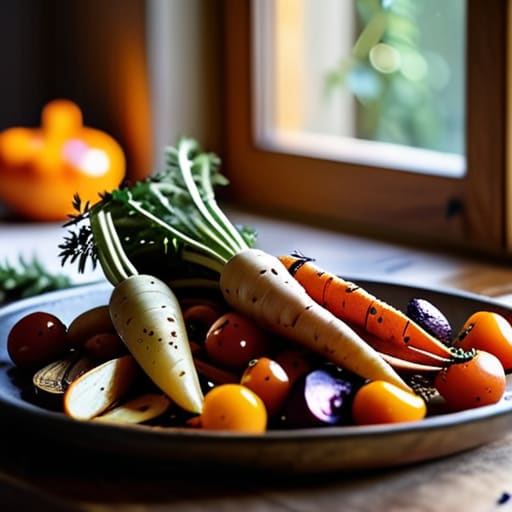
At the end of the day, cooking vegetables isn’t about following a rigid set of rules or obsessing over perfect temperature charts. It’s about understanding that a little bit of high heat can turn a limp, sad carrot into something absolutely transformative. Whether you’re leaning into the crispy, caramelized magic of roasting or keeping things light and bright with a quick steam, the goal is to respect the ingredient. Don’t be afraid to experiment with salt, fat, and acid to find that sweet spot where your veggies actually become the star of the plate rather than an afterthought.
Honestly, the biggest mistake you can make is thinking that “healthy” has to mean “tasteless.” Once you stop treating vegetables like a chore and start treating them like a canvas for flavor, your entire relationship with food is going to shift. So, throw out those mushy, overboiled leftovers and start playing around in the kitchen. Get a little messy, get a little charred, and most importantly, trust your instincts. You’ve got this—now go make something delicious.
Frequently Asked Questions
How do I stop my vegetables from turning into a mushy, gray mess?
The secret is simple: stop treating them like a marathon. Most people overcook veggies because they’re afraid of raw textures, but that’s how you end up with gray sludge. Aim for “al dente”—they should have a slight snap when you bite into them. Also, watch your water; if you’re boiling, don’t let them sit in the pot after they’re done. Drain them immediately, or they’ll just keep cooking in the residual heat.
Is there a trick to getting that perfect char on veggies without burning them to a crisp?
The secret is high heat and a little bit of patience. First, make sure your veggies are bone-dry after washing them; any moisture will just steam the pan instead of searing. Use an oil with a high smoke point—think avocado or grapeseed—and don’t crowd the pan. If you pile them all in at once, the temperature drops and you’ll end up with mush. Give them space to actually hit that hot metal.
What’s the best way to season them so they don't taste bland and boring?
Stop treating salt like an afterthought. If your veggies taste like nothing, you’re probably being too timid. Season them early—toss them in oil and salt before they hit the pan so the flavor actually penetrates. And please, embrace the acid. A squeeze of lemon or a splash of balsamic at the very end wakes everything up. If it still feels flat, it doesn’t need more salt; it needs fat or acid.