How to Focus While Studying (even When You’re Bored)

I spent three hours last night staring at the same page of my textbook, convinced that if I just bought that $50 “productivity planner” or downloaded another meditation app, my brain would suddenly stop wandering. It’s total nonsense. We’ve been sold this idea that mastering how to focus while studying requires a complex ritual of expensive gadgets and perfect environments, but honestly? Most of that is just performative productivity. You don’t need a zen garden or a high-tech pomodoro timer to get work done; you just need to stop lying to yourself about what’s actually killing your attention span.
I’m not here to give you a list of “life hacks” that sound good on a Pinterest board but fail the second you get bored. Instead, I’m going to share the gritty, unpolished tactics that actually worked for me when I was drowning in finals week. We’re going to talk about real-world discipline, ditching the digital distractions that are rotting your focus, and how to build a workflow that survives even your worst mental slumps. No fluff, no expensive gear—just the stuff that actually works.
Table of Contents
Minimizing Study Distractions to Reclaim Your Attention
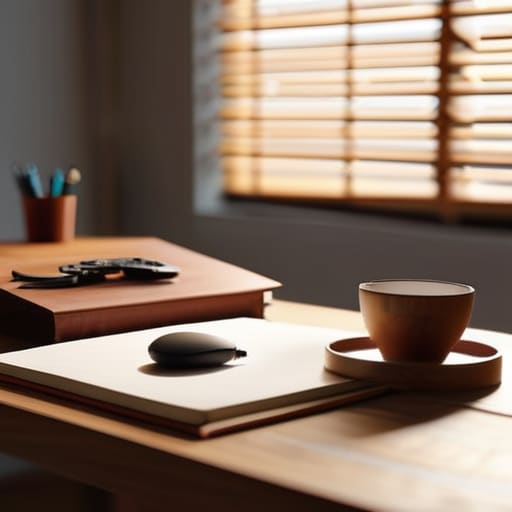
Let’s be real: your environment is usually the biggest culprit when your brain decides to wander. If you’re trying to cram in a bedroom that also serves as your gaming den or your Netflix lounge, you’re fighting a losing battle. To actually make progress, you need to curate the best study environments for concentration by physically separating your “work zone” from your “chill zone.” Even something as simple as clearing your desk of everything except what you need for that specific task can drastically lower your cognitive load and learning friction. When your eyes aren’t darting toward a pile of laundry or a stray controller, your brain doesn’t have to work nearly as hard to stay on track.
Then, there’s the digital demon: your phone. If it’s sitting face-up next to your notebook, you’ve already lost. The constant temptation to check a notification triggers a micro-distraction that can derail your momentum for minutes. Try putting it in a different room or using an app blocker. It sounds extreme, but minimizing study distractions isn’t about willpower; it’s about designing your space so you don’t need willpower in the first place.
Using the Pomodoro Technique for Students to Stay Sharp

If you’ve ever sat down to study, only to realize two hours later that you’ve just been staring blankly at the same page, you need a system. This is where the pomodoro technique for students becomes a total lifesaver. Instead of trying to grind through a four-hour marathon session—which is a one-way ticket to burnout—you break your work into bite-sized chunks. You set a timer for 25 minutes of deep work, followed by a 5-minute break to stretch or grab water. It sounds simple, but it works because it tricks your brain into staying engaged.
The real magic happens when you use those short breaks to manage your cognitive load and learning. By stepping away periodically, you prevent that mental fog from setting in, allowing your brain to process what you just read. It turns a daunting task into a series of small, manageable sprints. When you know a break is coming in just a few minutes, it’s much easier to resist the urge to check your notifications and stay locked into the task at hand.
5 Ways to Actually Force Your Brain into Focus Mode
- Stop trying to multitask. It’s a lie. Your brain isn’t a supercomputer; it’s just bouncing between tabs and losing progress every time you switch. Pick one task, one subject, and go deep.
- Gamify your progress. If you’re staring at a massive textbook, it feels impossible. Break it down into tiny, ridiculous goals—like “read three pages”—and give yourself a mental high-five when you hit them.
- Curate your study soundtrack. Silence can be deafening, but lyrical pop is a distraction trap. Switch to lo-fi beats, brown noise, or even video game soundtracks; they’re literally designed to keep you engaged without stealing your focus.
- Fuel the machine. You can’t expect peak performance on a diet of pure caffeine and sugar crashes. Grab some nuts, fruit, or actual water. If your brain is running on empty, no amount of willpower is going to save you.
- Master the “Brain Dump.” If you’re studying but keep worrying about that text you forgot to send or a project due next week, write it down on a scrap piece of paper immediately. Get it out of your head so your brain can stop looping it.
The TL;DR: How to Actually Get Stuff Done
Stop trying to fight your environment; if your phone is the problem, put it in a different room entirely.
Don’t aim for marathon sessions—use short, timed bursts like Pomodoro to keep your brain from hitting a wall.
Focus isn’t a talent you’re born with; it’s a habit you build by ruthlessly cutting out the noise.
## The Hard Truth About Deep Work
“Focus isn’t about forcing your brain to work harder; it’s about building a fortress around your attention so the world stops leaking in.”
Writer
The Bottom Line

Look, there’s no magic pill that will instantly turn you into a productivity machine, but it really does come down to the basics we’ve talked about. Whether it’s finally getting your phone out of sight so you aren’t constantly twitching for a notification, or using the Pomodoro method to stop yourself from burning out after twenty minutes, these aren’t just “tips”—they are survival tools for your brain. It’s about building a system that works with your natural rhythm rather than constantly fighting against it. If you can master the art of controlling your environment and managing your energy, you’ve already won half the battle.
At the end of the day, don’t beat yourself up if you have a bad session where your mind just wanders. Focus is a muscle, and just like going to the gym, you aren’t going to hit a personal record every single day. The goal isn’t perfection; it’s just being slightly better than you were yesterday. Stop waiting for the “perfect moment” of motivation to strike and just start with one small, focused block of time. You have the tools, you have the plan, now just get to work and see what you’re actually capable of achieving.
Frequently Asked Questions
What do I do if I hit a massive wall of burnout halfway through a study session?
Honestly? Stop. If you’re staring at the same sentence for ten minutes and your brain feels like mush, pushing through is a waste of time. You aren’t “studying” anymore; you’re just performing productivity theater. Walk away. Go for a quick walk, grab a snack, or literally just lie on the floor for five minutes. Reset your nervous system first. You’ll get more done in one focused hour tomorrow than in four hours of zombie-mode tonight.
Is it actually better to listen to music, or am I just creating more noise for my brain to process?
It’s a double-edged sword. If you’re blasting heavy metal or lyrical rap, you’re basically forcing your brain to multitask, which kills deep focus. You’re not studying; you’re just competing with the beat. But, if you switch to lo-fi, ambient noise, or even brown noise, it can actually act as a “sound cocoon” that masks annoying background distractions. The rule of thumb? If you find yourself singing along, turn it off.
How can I stay focused when I'm studying subjects that I absolutely hate?
Look, I get it. Sitting down to tackle a subject you loathe feels like mental torture. When you hate the material, your brain naturally looks for any excuse to bolt. My trick? Gamify the misery. Set a timer for just twenty minutes and tell yourself you can quit once it hits zero. Also, try “temptation bundling”—only allow yourself that specific playlist or that fancy coffee while you’re grinding through the boring stuff.