How to Prep Vegetables Faster and Safer
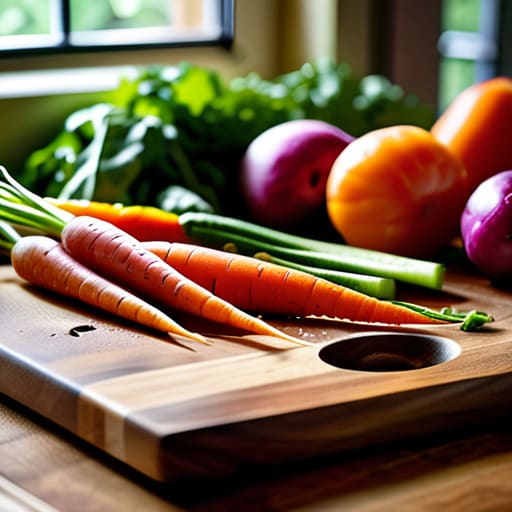
I used to think that mastering how to prep vegetables meant buying a $300 Japanese chef’s knife and a set of specialized mandolines that take up half my counter space. Honestly? That is a total lie. I spent years following those overly polished cooking shows, only to end up with a kitchen that looked like a crime scene and a pile of unevenly chopped carrots that cooked at three different speeds. It’s exhausting, it’s expensive, and frankly, it’s completely unnecessary if you actually want to get dinner on the table without losing your mind.
I’m not here to sell you on fancy gadgets or complicated techniques that require a culinary degree. Instead, I’m going to show you the real-world shortcuts I’ve learned from years of trial, error, and very messy kitchen counters. We are going to strip away the fluff and focus on the actual mechanics of how to prep vegetables efficiently, safely, and—most importantly—without the headache. Consider this your no-nonsense roadmap to getting organized so you can actually enjoy the food you’re making.
Table of Contents
Sharpen Your Knife Skills for Vegetables Today
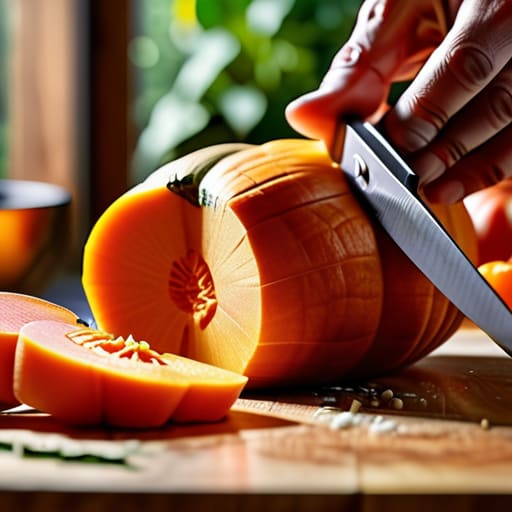
Look, I’ll be honest: you don’t need a fancy set of Japanese steel blades to get the job done, but you do need to know how to handle what you have. If you’re just starting out with meal prep for beginners, the biggest mistake you can make is trying to hack through a butternut squash with a dull paring knife. It’s frustrating, it’s slow, and let’s face it, it’s how accidents happen. Investing a little time into mastering basic knife skills for vegetables is the single best way to turn a chaotic kitchen session into a smooth, rhythmic flow.
Start by focusing on your grip. Don’t just hold the handle; pinch the base of the blade between your thumb and index finger for better control. Once you feel stable, practice a few standard vegetable cutting techniques, like the dice or the julienne, on something soft like a cucumber or a bell pepper. It’s all about muscle memory. Once you stop babying the knife and start actually commanding it, you’ll find that prepping an entire week’s worth of food becomes less of a chore and more of a therapeutic ritual.
Essential Kitchen Tools for Veggie Prep Success
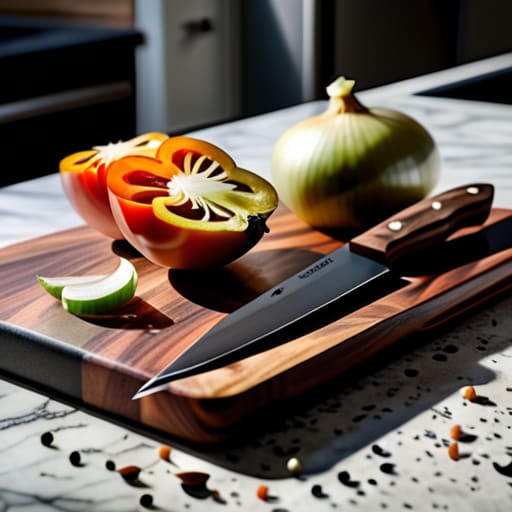
Look, you don’t need a professional chef’s kitchen to get this right, but you do need a few reliable workhorses. If you’re just starting out with meal prep for beginners, the biggest mistake is trying to wing it with a dull paring knife and a flimsy cutting board. You want a heavy-duty, non-slip cutting board—preferably wood or a high-quality plastic—to keep everything stable. There is nothing more dangerous (or frustrating) than a board that slides around while you’re trying to dice an onion.
Beyond the basics, investing in a decent vegetable peeler and a mandoline can be total game-changers. A sharp Y-peeler makes quick work of carrots and cucumbers, while a mandoline is the secret weapon for achieving those perfectly uniform slices that make your salads look like they came from a bistro. If you’re serious about mastering different vegetable cutting techniques, having a small serrated knife handy for tomatoes or soft skins will save you a massive amount of headache. Get the right gear early, and the actual chopping part becomes much more of a breeze.
Pro Moves to Save You Time (and Sanity) in the Kitchen
- Don’t just chop—organize. Set up a “mise en place” by grouping your prepped veggies into small bowls or piles before you even touch the pan. It stops that frantic, mid-sauté scramble for the garlic.
- Master the art of the “root-to-stem” approach. Before you toss those broccoli stalks or beet greens in the trash, realize they’re edible gold. Shave them thin or sauté them; it’s less waste and more flavor.
- Learn to peel smart. You don’t always need a heavy-duty peeler for everything. Sometimes a simple paring knife gives you more control, especially when you want to leave a little skin on for texture.
- Size matters for even cooking. If you’re throwing everything into one pot, make sure your dice is consistent. There’s nothing worse than biting into a mushy carrot while the potato chunks are still rock hard.
- Wash before you cut, not after. If you slice into a wet vegetable, you’re just creating a slippery, dangerous mess on your cutting board. Give them a good rinse and a thorough pat-dry first.
The Quick Cheat Sheet for Veggie Prep Success
Don’t skimp on the gear—a sharp knife and a sturdy cutting board are the absolute non-negotiables if you want to avoid frustration.
Master your basic cuts early on; it’s not just about looking fancy, it’s about making sure everything cooks evenly.
Set yourself up for success by doing the heavy lifting (like washing and chopping) before the heat actually hits the pan.
## The Secret to Better Cooking
“Forget the fancy gadgets for a second; prepping vegetables isn’t about following a rigid recipe, it’s about respecting the ingredient enough to give it the prep work it deserves before it ever hits the pan.”
Writer
Final Thoughts Before You Hit the Stove
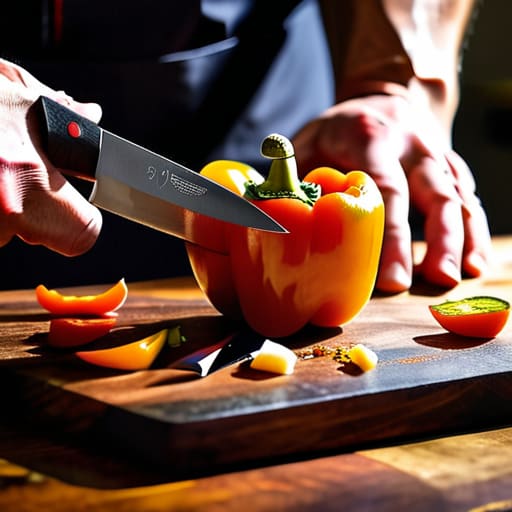
At the end of the day, mastering vegetable prep isn’t about becoming a Michelin-starred chef overnight; it’s about building a foundation that makes cooking actually enjoyable. We’ve covered the heavy hitters: keeping your knives razor-sharp so you aren’t struggling with a dull blade, and making sure you have the right tools—like a solid cutting board and a reliable peeler—by your side. When you stop fighting your equipment and start working with it, the whole process shifts from a tedious chore to a rhythmic, almost meditative part of your kitchen routine. Remember, the better your prep, the better your meal.
Don’t get discouraged if your dice looks a little wonky the first few times you try it. Every pro started with unevenly chopped onions and a messy countertop. The real magic happens when you embrace the process and realize that small, consistent improvements lead to massive wins in the kitchen. So, grab those veggies, clear some space on your counter, and just start cutting. You’ve got the tools, you’ve got the technique, and honestly, you’re going to be absolutely incredible at this. Happy cooking!
Frequently Asked Questions
How do I keep my chopped veggies from turning brown or getting mushy if I'm prepping them ahead of time?
Nothing kills the vibe of a meal prep Sunday like a bowl of slimy, oxidized veggies. If you’re prepping ahead, moisture is your biggest enemy. For things like onions or potatoes, keep them submerged in cold water in the fridge to stop the browning. For everything else—carrots, peppers, broccoli—toss them in a container with a dry paper towel to soak up excess dampness. Keep it airtight, keep it cold, and they’ll stay crisp.
Is there a trick to cleaning leafy greens without them getting all slimy?
The secret is all about the drying process. If you leave them damp, they’re doomed to turn into a slimy mess by tomorrow. After a quick soak in cold water to shake off the grit, toss them into a salad spinner. It’s a game-changer. If you don’t have one, spread them out on a clean kitchen towel and pat them dry. Dry leaves stay crisp; wet leaves stay sad.
Do I really need a specialized tool for everything, or can I get away with just a standard chef's knife?
Look, I get it. The gadget aisle is a minefield of “must-have” slicers and specialized peelers that just take up drawer space. Honestly? You can absolutely get away with just a solid chef’s knife. If your blade is sharp and your technique is decent, you can tackle 95% of prep work without breaking a sweat. Don’t let the marketing fool you—master your knife first, and you’ll realize most of those “essential” tools are just fluff.