How to Reduce Food Waste in Your Kitchen
I was standing over my kitchen trash can last Tuesday, staring at a bag of slimy, liquefied spinach and a half-eaten loaf of bread, when it finally hit me: I wasn’t just throwing away scraps; I was literally tossing twenty dollars out the window. Most “experts” will tell you that learning how to reduce food waste requires a complete lifestyle overhaul, fancy airtight containers, or a complicated color-coded organizational system that takes three hours to maintain. Honestly? That’s total nonsense. Most of those high-brow tips are designed for people with unlimited free time, not for the rest of us just trying to survive a hectic work week without feeling guilty about our compost bin.
I’m not here to sell you on a complicated lifestyle hack or a subscription to a luxury bin service. Instead, I’m going to give you the raw, unpolished truth about what actually works when life gets messy. We’re going to skip the fluff and dive straight into the practical, battle-tested strategies that helped me stop bleeding money in the kitchen. This is a no-nonsense guide to making your groceries last longer, using what you already have, and finally mastering how to reduce food waste without losing your mind in the process.
Table of Contents
Mastering Sustainable Grocery Shopping Habits
The battle against waste doesn’t start in your kitchen; it starts in the supermarket aisles. Most of us walk into a store with a vague idea of what we need, only to get swept up in “buy one, get one free” deals that end up rotting in the crisper drawer. To actually make a dent in your waste, you have to embrace meal planning for efficiency. This isn’t about following rigid, boring recipes; it’s about looking at what you already have and shopping specifically to bridge the gaps. If you shop without a roadmap, you aren’t just buying groceries—you’re buying future trash.
Once you’re actually at the store, try to resist the urge to overbuy based on perceived savings. Instead, focus on building sustainable grocery shopping habits by prioritizing versatile ingredients that can be used across multiple meals. Think about how a single bag of spinach can transition from a morning smoothie to a sautéed side dish later in the week. By shopping with intention and focusing on versatility over volume, you stop the cycle of impulse buying that leads to a bloated, wasteful fridge.
Meal Planning for Efficiency and Profit
If you’re still walking into the grocery store without a game plan, you’re essentially playing a high-stakes gambling game with your bank account. Most of us fall into the trap of “aspirational shopping”—buying kale and quinoa because we want to be the kind of person who eats them, only to watch them liquefy in the crisper drawer by Thursday. True meal planning for efficiency isn’t about following rigid, boring recipes; it’s about auditing what you already own before you even touch your wallet. Check your pantry, see what staples are nearing their end, and build your weekly menu around those ingredients rather than the other way around.
Once you have your roadmap, the real magic happens in how you manage the lifecycle of your ingredients. It’s not just about what you buy, but how you handle it once it hits the kitchen. Mastering a few basic food storage techniques—like keeping your herbs in water or knowing which fruits trigger premature ripening in others—can extend the life of your haul by days, if not weeks. When you stop treating your kitchen like a graveyard for forgotten leftovers and start treating it like a managed inventory, you’ll notice your grocery bill dropping almost immediately.
Stop the Rot: 5 Ways to Rescue Your Groceries Before They Die
- Treat your fridge like a VIP lounge—not a graveyard. Move the stuff that’s about to expire to the front and center so you actually see it before it turns into a science project.
- Learn the difference between “Best By” and “Use By.” One is a suggestion for peak flavor, the other is about safety. Stop tossing perfectly good yogurt just because the calendar says so.
- Get cozy with your freezer. Almost anything—bread, wilting herbs, even leftover sauce—can be frozen to hit the pause button on decay.
- Stop over-buying “just in case” items. That extra bag of spinach isn’t a safety net; it’s just a future compost pile. Buy what you need for the week, nothing more.
- Master the art of the “Kitchen Sink” meal. Once a week, raid your crisper drawer and throw all those lonely, half-used veggies into a stir-fry, a frittata, or a soup.
The Bottom Line: Stop Wasting, Start Saving
Treat your fridge like a countdown clock—use what’s nearing its expiration date first, or you’re literally tossing cash into the bin.
Stop the impulse buys; if it isn’t on your pre-planned list, it doesn’t belong in your cart.
Get creative with your leftovers instead of seeing them as “old food”—they are just pre-prepped ingredients for your next meal.
The Real Cost of a Full Trash Can
“Food waste isn’t just a sustainability issue; it’s a leak in your bank account. Every time you toss a wilted bag of spinach or a forgotten carton of milk, you aren’t just throwing away groceries—you’re throwing away the hours you spent working to pay for them.”
Writer
The Bottom Line
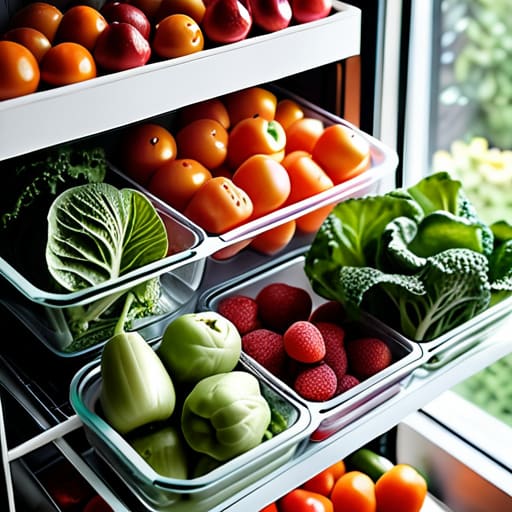
Look, cutting down on food waste isn’t about being a perfect minimalist or following some impossible lifestyle trend. It’s really just about the basics we’ve covered: shopping with a plan, actually looking at what you own before you buy more, and making sure your meals work for your schedule rather than against it. When you stop treating your fridge like a graveyard for forgotten vegetables and start treating it like a curated pantry, you’ll notice the difference immediately. It’s a direct path to keeping more cash in your pocket and significantly less rot in your compost bin.
At the end of the day, this isn’t just about saving a few bucks on your weekly grocery bill—though that’s a pretty great perk. It’s about shifting your mindset from a culture of mindless consumption to one of intentional living. Every time you choose to use those leftovers instead of ordering takeout, or decide to freeze that wilting spinach instead of tossing it, you are making a choice to respect the resources that went into producing that food. Start small, stay consistent, and remember that every single scrap saved is a win for both your wallet and the planet.
Frequently Asked Questions
How do I actually know when food is "bad" versus just looking a little weird?
Look, the “sell-by” date is often just a manufacturer’s best guess, not a law. Don’t panic if a yogurt is a day past its date. Use your senses instead. If it smells funky, looks slimy, or has visible mold, toss it. If it’s just a slightly bruised apple or a wilted carrot? That’s still good to eat—just chop off the bad bits or toss them into a soup. Trust your nose, not the sticker.
What are some easy ways to use up leftovers without eating the same boring meal three nights in a row?
Stop treating leftovers like a chore and start seeing them as ingredients. The trick is to change the “vibe” of the dish. That leftover roasted chicken? Don’t just microwave it; shred it into tacos or toss it into a quick pesto pasta. That half-bag of wilted spinach and random veggies? Throw them into a frittata or a quick stir-fry. If you change the texture and the sauce, you’re eating a new meal, not yesterday’s scraps.
Is it actually worth it to buy frozen veggies, or am I just wasting more money?
Honestly? Frozen is a total cheat code. If you’re someone who buys a massive bag of fresh spinach only to watch it turn into green slime in your crisper drawer three days later, you aren’t just wasting food—you’re literally throwing cash in the bin. Frozen veggies are flash-frozen at peak ripeness, they last for months, and they’re almost always cheaper per ounce. Buy fresh for salads; buy frozen to actually stop wasting money.