How to Reduce Sugar Without Feeling Deprived
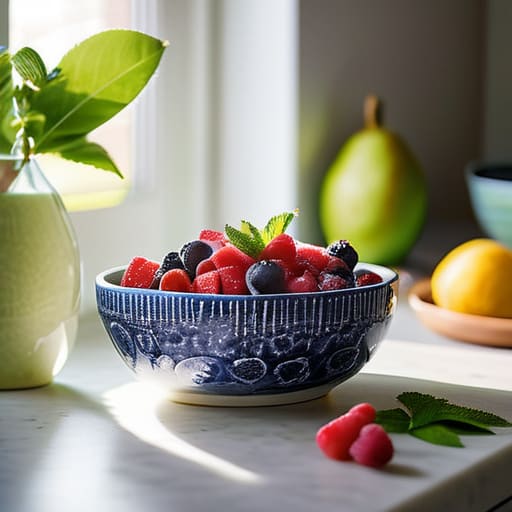
I remember sitting in my car last Tuesday, staring blankly at a vending machine like it was some kind of high-stakes puzzle. I wasn’t even hungry; I was just crashing. That mid-afternoon slump is a liar, whispering that a candy bar is the only way to survive until dinner. Most “experts” will tell you that learning how to reduce sugar requires a complete lifestyle overhaul, expensive organic supplements, or some monk-like discipline that nobody actually has time for. Honestly? That’s total nonsense.
I’m not here to sell you a $200 juice cleanse or tell you to live on kale alone. Instead, I’m going to share the messy, trial-and-error reality of what actually worked for me when I was tired of feeling like a slave to my own cravings. We’re going to skip the clinical jargon and focus on small, sustainable shifts that don’t make you miserable. This is about practical, no-BS strategies to reclaim your energy without turning your kitchen into a laboratory. Let’s get into it.
Table of Contents
Hunting the Hidden Sugars in Processed Foods
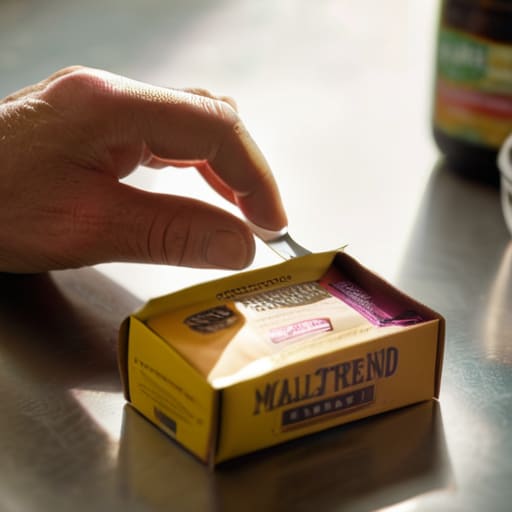
The real problem isn’t the candy bar you consciously choose; it’s the stuff you didn’t even know you were eating. Food manufacturers are masters of disguise, tucking sweetness into everything from pasta sauce to low-fat yogurt. They use dozens of different aliases—syrups, maltodextrin, dextrose, or agave—to make products look “healthy” while actually loading them with empty calories. If you want to master how to stop sugar addiction, you have to stop trusting the marketing on the front of the box and start becoming a detective with the ingredient list on the back.
Once you start looking, you’ll realize that many “convenience” items are actually just sugar delivery systems in disguise. This constant influx of glucose is what leads to those brutal afternoon crashes. Instead of falling into the trap of processed snacks, try focusing on low glycemic index foods that actually keep you full. Swapping a sweetened granola bar for a handful of raw almonds or a piece of whole fruit can make a massive difference in how you feel by 3:00 PM.
Mastering the Art of Managing Blood Sugar Spikes
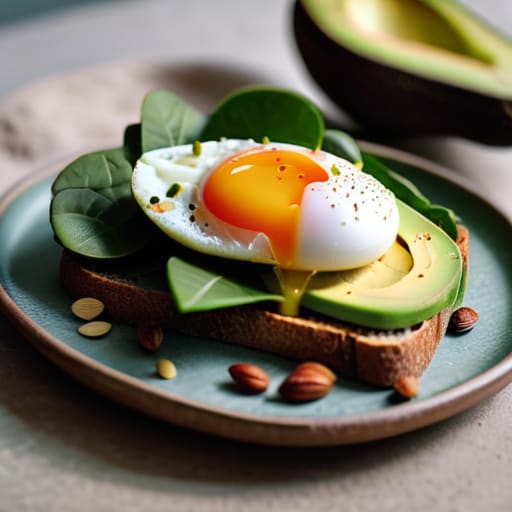
Ever feel that mid-afternoon crash where your brain suddenly turns to fog? That’s usually the aftermath of a glucose rollercoaster. When you eat something high in refined carbs or sweets, your blood sugar shoots up, only to plummet minutes later, leaving you desperate for another hit. To break this cycle, you have to focus on managing blood sugar spikes by changing the order in which you eat. Instead of starting with a carb-heavy meal, try leading with fiber, healthy fats, or protein. This creates a “buffer” in your gut that slows down how quickly glucose enters your bloodstream, preventing that jagged energy roller coaster.
Another game-changer is leaning heavily into low glycemic index foods. Think of these as the “slow-burn” fuels of the nutrition world. Instead of reaching for a white bagel that spikes your levels instantly, opt for steel-cut oats or berries. These foods digest at a leisurely pace, providing steady energy rather than a frantic surge. If you’re looking for healthy snack swaps, try pairing an apple with almond butter. The fat and protein in the nuts act as an anchor, keeping your levels stable and helping you stay full until dinner.
Five Small Wins to Kick the Habit
- Stop drinking your sugar. It’s the easiest way to slash your intake without feeling like you’re on a diet. Swap the juice and soda for seltzer or herbal tea; you’ll be shocked at how much less sugar you’re actually consuming by the end of the day.
- Prioritize protein and healthy fats at every meal. If you start your morning with eggs and avocado instead of a sugary granola bowl, you won’t be hunting for a pastry by 10:00 AM because your blood sugar isn’t crashing.
- Master the “one-ingredient” rule. When you’re grocery shopping, try to stick to foods that don’t have a label—like an apple, a handful of almonds, or a piece of salmon. If it comes in a box with a list of twenty ingredients you can’t pronounce, it’s probably hiding sugar.
- Don’t let your willpower fail you when you’re hungry. Most people cave to sugar cravings when they’re exhausted or haven’t eaten enough real food. Keep some emergency snacks like nuts or jerky in your bag so you aren’t forced to grab a candy bar from the vending machine.
- Relearn what “sweet” actually tastes like. Constant sugar intake numbs your taste buds. If you slowly reduce the sweetness in your coffee or tea, you’ll eventually find that actual fruit tastes incredibly intense and delicious rather than bland.
The Bottom Line: Your Sugar-Free Game Plan
Stop playing detective with every meal; focus on reading labels for the sneaky aliases like maltodextrin or high fructose corn syrup before they sneak into your cart.
Prioritize protein and healthy fats at every meal to act as a buffer, preventing those brutal energy crashes caused by massive glucose spikes.
Don’t aim for perfection or immediate total abstinence; focus on small, sustainable swaps—like sparkling water for soda—to retrain your taste buds without the misery.
The Real Goal
Cutting sugar isn’t about deprivation or living in a world of bland salads; it’s about reclaiming your taste buds so that a piece of real fruit actually tastes like a celebration again.
Writer
The Long Game
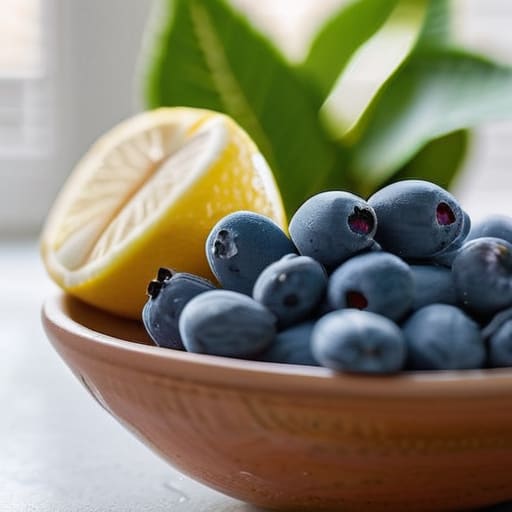
Cutting back on sugar isn’t about some overnight, radical transformation or punishing yourself with a bland diet. It’s about the small, tactical wins we talked about: learning to spot those sneaky ingredients in your pantry, stabilizing your energy by preventing those massive insulin spikes, and making smarter swaps that actually taste good. Remember, it’s not about perfection; it’s about building awareness. Once you start seeing the difference between a natural craving and a processed sugar trap, you’ve already won half the battle.
At the end of the day, this journey is really about reclaiming your vitality. You aren’t just “quitting sugar”; you are choosing to stop being a slave to a chemical cycle that leaves you exhausted and hungry. There will be days when you slip up—maybe it’s a birthday cake or a stressful afternoon candy bar—and that’s okay. Don’t let a single slip-up derail your entire progress. Just get back to it at your next meal and keep moving forward. Your body will eventually thank you for the clarity and energy that comes with a balanced life.
Frequently Asked Questions
How long does it actually take for my taste buds to reset after I stop eating so much sugar?
The short answer? You’ll start noticing a difference in about a week, but the real magic happens around the three-week mark.
Can I still eat fruit, or is that just another way of sneaking sugar into my diet?
The short answer? Absolutely. Don’t let the “sugar is bad” mantra turn you into a fruit-phobe. Fruit comes packed with fiber, vitamins, and antioxidants that processed sugar completely lacks. That fiber is your secret weapon—it slows down sugar absorption so you don’t crash. The trick is treating fruit like a whole food, not a juice. Stick to the whole pieces, watch the portions, and you’ll be just fine.
What are some realistic ways to handle those intense sugar cravings when they hit in the middle of the afternoon?
When that 3 PM slump hits and your brain starts screaming for chocolate, don’t fight it with willpower alone—you’ll lose. Instead, try a “protein pivot.” Grab a handful of almonds or some Greek yogurt. Adding fat and protein stabilizes your blood sugar so the craving loses its teeth. If you absolutely need something sweet, go for berries. It satisfies the itch without the inevitable crash that leaves you feeling even worse.