How to Season Food Like a Real Cook
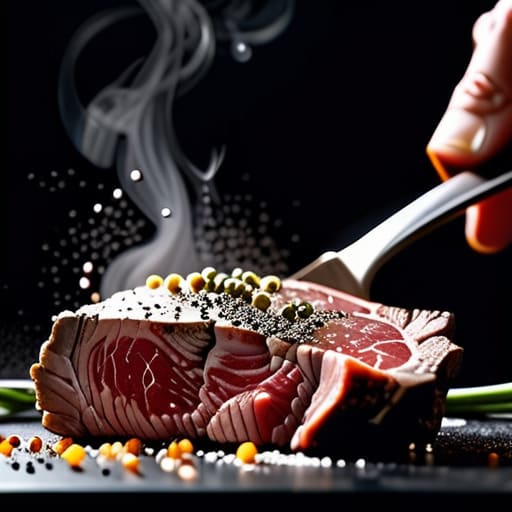
I still remember sitting in my grandmother’s kitchen, watching her toss a handful of coarse salt and dried herbs into a bubbling pot with the kind of casual confidence that honestly intimidated me. There were no measuring spoons, no precise gram scales, and absolutely no “flavor profile” spreadsheets—just a gut feeling and a heavy hand. Most people today treat cooking like a chemistry lab, getting bogged down in expensive, artisanal spice blends that cost more than the actual meat. But if you want to learn how to season food that actually tastes like something, you need to stop overthinking the science and start trusting your senses.
I’m not here to sell you a $50 jar of saffron or tell you that you need a PhD to make a decent steak. Instead, I’m going to give you the no-nonsense toolkit I’ve built through years of burnt pans and trial by fire. We are going to strip away the culinary pretension and focus on the fundamental mechanics of salt, acid, and heat. By the time we’re done, you won’t be following recipes blindly; you’ll finally have the confidence to cook by instinct.
Table of Contents
Balancing Salt Acid and Fat for Perfection
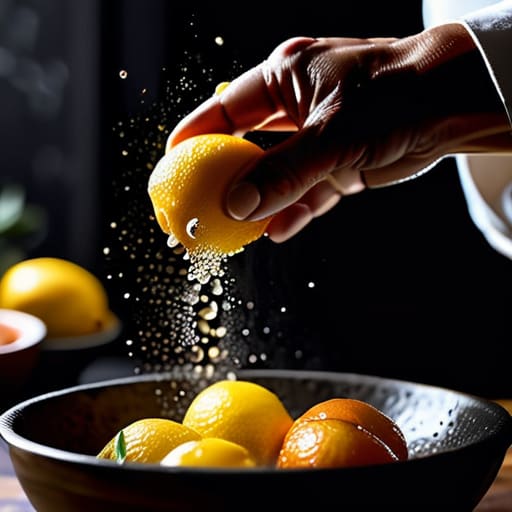
If you’ve ever taken a bite of something that tasted “flat” despite having plenty of salt, you’ve hit the wall of basic seasoning. To move past that, you have to master the science of balancing salt, acid, and fat. Salt is your foundation—it wakes up the taste buds—but salt alone can’t fix a dish that lacks depth. That’s where acid comes in. A squeeze of lemon or a splash of vinegar acts like a spotlight, cutting through heavy oils and brightening the entire palate. It’s the difference between a heavy, one-note stew and something that actually makes you want another spoonful.
Fat is the conductor that carries all those flavors across your tongue. Whether it’s butter, olive oil, or the rendered juices from a steak, fat provides the mouthfeel that makes a dish feel complete. When you combine these three, you start unlocking complex umami flavor profiles that make a meal feel professional. It’s a constant tug-of-war: if a sauce feels too heavy, add acid. If it feels sharp or aggressive, add a touch of fat. Once you find that equilibrium, you aren’t just cooking; you’re composing.
Essential Spice Cabinet Staples Every Chef Needs
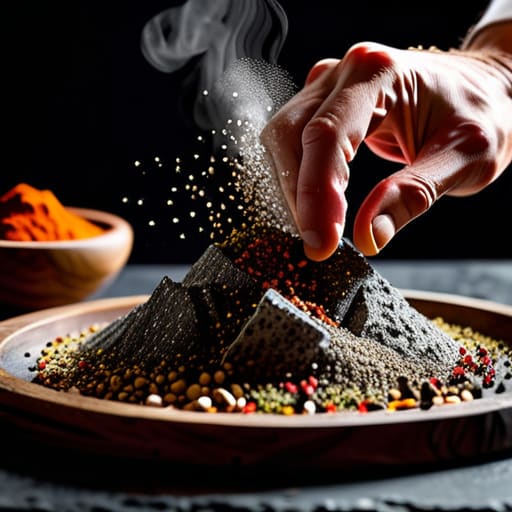
Look, you don’t need a massive, overwhelming collection of exotic powders to make a meal taste professional. In fact, most of those dusty jars sitting in the back of your pantry are probably just taking up space. To truly master the art of enhancing natural flavors, you really only need a handful of heavy hitters that work across almost every cuisine. I’m talking about high-quality kosher salt, freshly cracked black pepper, smoked paprika, and maybe a decent cumin or dried oregano. These are your foundation; they provide the backbone that allows more complex flavors to shine without making the dish feel cluttered or confused.
Beyond the basics, you want a few items that can punch up those deep, savory notes. Having a jar of garlic powder or even some red chili flakes on hand is a game-changer when you’re looking to build out richer umami flavor profiles in a pinch. The secret isn’t about having more spices; it’s about having the right ones that you actually use frequently. If you stock up on these essential spice cabinet staples, you’ll find that you can transform a boring piece of chicken or a pile of roasted potatoes into something memorable with almost zero effort.
5 Golden Rules to Stop Seasoning Like an Amateur
- Season in layers, not all at once. If you dump all your salt and spices in at the very end, you’re just coating the surface. Sprinkle a little salt while the onions are sweating, more when the meat hits the pan, and a final touch before serving. This builds depth that actually penetrates the food.
- Taste as you go—and I mean really taste. You can’t fix a dish once it’s on the plate. Keep a clean spoon nearby and sample every single stage of the process. You need to know if it’s missing brightness or if it’s already leaning too heavy on the salt before it’s too late.
- Don’t fear the salt, but respect it. Most home cooks are terrified of over-salting, so they under-season, leaving everything tasting flat and dull. Use salt to unlock the natural flavors of your ingredients rather than trying to make the food taste “salty.”
- Bloom your spices in fat. If you’re using dried spices like cumin, paprika, or chili powder, don’t just toss them into a liquid. Throw them into the hot oil or butter for 30-60 seconds first. This “blooming” process releases the essential oils and turns a dusty spice into a flavor powerhouse.
- Learn when to use Kosher salt versus table salt. Table salt is fine for a quick pinch, but if you’re serious about control, grab a box of Kosher salt. The larger grains are easier to pinch and distribute evenly, which prevents those accidental “salt bombs” that ruin a perfectly good meal.
The Golden Rules of Flavor
Stop thinking of salt as an additive and start treating it as a tool to unlock the ingredients you already have.
If a dish feels “flat” even after salting, don’t reach for more salt—reach for acid like lemon juice or vinegar to wake it up.
Layer your seasoning as you cook rather than dumping everything in at the end; building flavor in stages is the secret to depth.
The Golden Rule of the Kitchen
“Seasoning isn’t about following a recipe’s measurements; it’s about trusting your palate. If it tastes flat, it needs salt. If it’s heavy, it needs acid. Stop reading the book and start tasting the food.”
Writer
Stop Playing It Safe
At the end of the day, seasoning isn’t about following a rigid recipe or measuring out exact milligrams of sodium. It’s about understanding the fundamental chemistry of your ingredients. You’ve learned how to balance the heavy hitters—salt, acid, and fat—and you know which spices should be living in your pantry at all times. The most important takeaway, though, is that seasoning is a dynamic process. You shouldn’t just dump everything in at the start and walk away; you need to taste, adjust, and recalibrate as you go to ensure every single bite hits the mark.
Don’t let the fear of overdoing it hold you back from creating something truly memorable. Cooking is one of the few places in life where you are allowed to be the absolute authority, so trust your palate more than you trust a cookbook. If a dish feels like it’s missing “something,” don’t just guess—actually taste it and figure out what’s missing. Whether you’re throwing together a quick Tuesday night pasta or hosting a massive Sunday dinner, remember that great flavor comes from confidence. Now, get back in that kitchen and start making things taste incredible.
Frequently Asked Questions
How do I know if I've added too much salt without ruining the whole dish?
The panic is real, but don’t toss the pan just yet. If you’ve gone overboard, your best move is dilution. Add more of your base ingredients—more broth, more cream, or more unsalted veggies—to spread that salt around. If it’s a soup, a splash of acid like lemon juice or vinegar can trick your palate into ignoring the saltiness. Worst case? Add a peeled potato to soak up some brine, though it’s a bit of a gamble.
Is there a specific order I should follow when adding spices so they don't burn?
Timing is everything. If you toss dried herbs into a screaming hot pan at the start, you’re basically making bitter ash. Start with your hard spices—think cumin, coriander, or peppercorns—in the fat early on to bloom those oils. Save the delicate stuff, like dried basil or parsley, for the final few minutes. This way, you get that deep, aromatic punch without the burnt, acrid aftertaste that ruins a good dish.
Can I use salt substitutes if I'm trying to eat low-sodium, or will the food just taste flat?
Look, if you just swap salt for a generic sodium substitute, your food is going to taste “off” and metallic. It’s a trap. Instead of chasing that salty hit, lean hard into acidity. A squeeze of lemon or a splash of vinegar mimics that brightness salt usually provides. Use garlic, onion powder, or smoked paprika to build depth. You aren’t just removing salt; you’re learning how to actually build flavor.