Remote Work Tips to Stay Productive and Sane
I’m so sick of reading those polished, corporate-approved lists of “remote work tips” that suggest you just need a fancy standing desk and a $500 ergonomic chair to be successful. Let’s be real: most of that advice is just expensive fluff designed to sell you gear you don’t need. If you’ve ever found yourself staring at a pile of laundry at 2:00 PM, feeling like your brain has turned into absolute mush while your Slack notifications scream for attention, you know that the real struggle isn’t about your furniture—it’s about your sanity.
I’m not here to give you a lecture or a list of productivity hacks that sound great on paper but fail the moment your neighbor starts mowing their lawn. Instead, I’m going to share the actual, unfiltered lessons I’ve learned from years of working in my pajamas and occasionally losing my mind. I’ll give you the honest, no-BS strategies that actually help you reclaim your time and focus, so you can stop feeling like you’re constantly drowning in your own living room.
Table of Contents
Proven Remote Work Productivity Hacks for Deep Focus

First off, you have to stop treating your brain like it has infinite bandwidth. The biggest killer of focus isn’t your kids or the neighbor’s lawnmower; it’s the constant, low-grade itch to check Slack or scroll through your phone. To combat this, I swear by the “time-blocking” method. Instead of a never-ending to-do list, carve out non-negotiable chunks of time for deep work. During these blocks, your phone goes in another room. If you aren’t ruthlessly guarding your attention, you’re essentially inviting distractions to run your workday.
Another massive game-changer is refining your physical environment. You don’t need a massive renovation, but some simple home office setup ideas—like a dedicated desk that isn’t your dining table—can psychologically signal to your brain that it’s time to grind. When you sit in that specific spot, your focus clicks in. If you find yourself staring blankly at a screen for twenty minutes, you’re likely hitting a wall. That’s when you need to pivot toward remote work burnout prevention by stepping away entirely for ten minutes before diving back in.
Smart Home Office Setup Ideas for Peak Performance
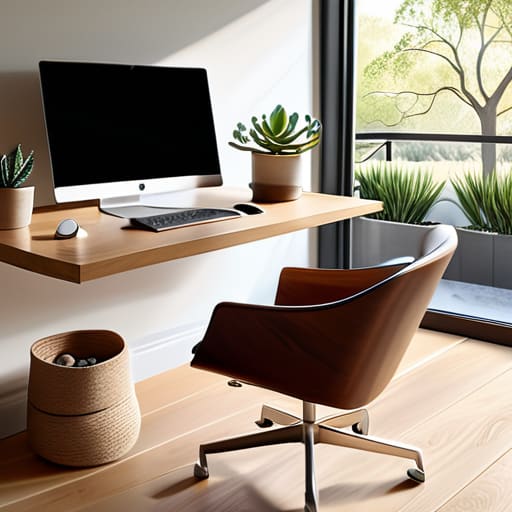
Look, your environment dictates your output more than you think. If you’re trying to crush a deadline while sitting on a couch with a laptop balanced on your knees, you’re setting yourself up for a literal pain in the neck. One of the best home office setup ideas I’ve ever implemented was investing in a decent ergonomic chair and a dedicated desk that isn’t the kitchen table. You need a physical boundary between “relaxing space” and “working space” to keep your brain from getting mushy.
Lighting is another huge one that people totally overlook. If you’re staring at a screen in a dark room, you’re going to feel like a zombie by 2 PM. Try to position your desk near a window to catch some natural light; it’s a total game-changer for your mood. If that’s not an option, grab a warm desk lamp rather than relying on those harsh, flickering overhead lights. It’s these small tweaks to your surroundings that act as subtle remote work burnout prevention tools, making sure you don’t feel completely drained by the time the clock hits five.
How to Stop Working Like a Zombie and Start Living Again
- Stop treating your “office” like a revolving door. If you’re answering emails while you’re making coffee or scrolling through Slack while you’re eating lunch, your brain never actually leaves work mode. You need a hard stop time—a moment where the laptop shuts and the “worker” version of you officially goes offline.
- Get over the “always on” guilt. Just because your Slack status is green doesn’t mean you need to respond within thirty seconds. Constant notifications are the enemy of actual thought. Batch your communication: check messages at the top of the hour, then close the tab and actually do the work you’re being paid for.
- Stop working in your pajamas. I know, it sounds cozy, but it’s a trap. There is a massive psychological shift that happens when you put on real clothes (even just clean jeans and a tee). It signals to your brain that the “relaxing at home” part of the day is over and it’s time to lock in.
- Learn the art of the “micro-break.” If you sit in that same chair for six hours straight, your brain is going to turn to mush by 3 PM. Every hour, stand up, stretch, or walk to the kitchen. You don’t need a full hour-long yoga session; you just need sixty seconds of not looking at a glowing rectangle.
- Over-communicate so you don’t get ghosted. When you aren’t in a physical office, people can’t see you working, which leads to that weird anxiety that you’re being judged for your output. Don’t wait for your boss to ask what you’re doing—send a quick “here’s what I’m tackling today” note. It builds trust and keeps you off their radar in the best way possible.
The Bottom Line

Stop treating your living room like an office; you need a physical boundary to tell your brain when it’s time to grind and when it’s time to chill.
Deep work isn’t a myth, but it won’t happen if you’re constantly reacting to Slack pings—block out your time and actually protect it.
Your gear matters less than your routine; a fancy desk won’t save you if you haven’t mastered the art of setting boundaries with your own distractions.
The Hard Truth About Working From Home
“Remote work isn’t about finding the perfect ergonomic chair or the fanciest noise-canceling headphones; it’s about the brutal discipline of deciding when you’re actually ‘at work’ and when you’re just sitting in your pajamas staring at a screen.”
Writer
The Bottom Line
Look, there’s no magic pill that’s going to turn you into a productivity machine overnight. We’ve covered a lot of ground here—from carving out those deep focus windows to actually building a workspace that doesn’t make your back ache by noon. The reality is that remote work is a constant game of trial and error. You’re going to have days where your focus is razor-sharp and days where the laundry pile feels more important than your inbox. The goal isn’t to be perfect; it’s to build a sustainable rhythm that works for your specific life. If you can nail down a few of these hacks and keep your environment from becoming a distraction trap, you’re already ahead of the curve.
At the end of the day, the whole point of working remotely was supposed to be about freedom, right? It’s about reclaiming your time and designing a life that fits you, rather than forcing yourself into a cubicle-shaped box. Don’t let the struggle to stay organized rob you of the very flexibility you fought for. Take these tips, tweak them until they feel natural, and remember to actually log off when the day is done. You’ve got the tools now—so go out there and make this lifestyle work for you, not the other way around.
Frequently Asked Questions
How do I stop my family or roommates from constantly interrupting me during the workday?
Look, you can’t just expect people to read your mind. If you don’t set explicit boundaries, they’re going to keep barging in. Try the “signal” method: wear noise-canceling headphones or put a specific sign on your door. Tell them, “When the door is shut, I’m in deep work; when it’s open, come on in.” It sounds blunt, but it’s the only way to stop the constant “quick question” interruptions that kill your flow.
Is it actually possible to separate "work mode" from "home mode" when my desk is five feet from my bed?
Honestly? It’s a nightmare if you don’t create “mental tripwires.” When your bed is staring you down, your brain never truly clocks out. You have to manufacture boundaries that aren’t physical. Use a specific lamp that only stays on during work hours, or change into “work clothes” (even if it’s just different socks). Once that lamp goes off or those clothes come off, the office is officially closed. Don’t let the desk bleed into your sleep.
How do I deal with the weird loneliness and isolation that comes from not seeing coworkers in person?
Look, the “office chatter” void is real, and it’s heavy. You can’t just pretend you don’t miss the human element. My advice? Stop treating social interaction like an optional extra. Schedule “non-work” coffee chats on Zoom, or better yet, get out of the house. Coworking spaces or even a busy cafe can trick your brain into feeling part of a tribe again. Don’t wait for someone to reach out—be the one who initiates.