Why Spending Time in Nature Is So Good for You

I was sitting at my desk last Tuesday, staring at a spreadsheet until my eyes actually started to ache, feeling that familiar, frantic buzz of caffeine and deadline anxiety. I tried the “productivity hacks”—the Pomodoro timers, the standing desks, the expensive noise-canceling headphones—but nothing worked. It wasn’t until I forced myself to walk into the woods behind my house, feeling the damp soil under my boots and hearing nothing but the wind, that the mental fog finally lifted. It turns out that the real benefits of time in nature aren’t found in a $50 wellness app or a fancy meditation retreat; they’re found in the dirt, the trees, and the simple act of actually unplugging.
I’m not here to sell you some mystical, life-altering spiritual awakening or give you a list of scientific studies that sound like they were written by a textbook. Instead, I want to share what actually works when your brain feels like it’s short-circuiting. I’m going to give you the straight-up, no-nonsense truth about how stepping outside can reset your focus and calm your nerves, based entirely on what I’ve learned from getting my hands dirty.
Table of Contents
How Forest Bathing Rewires Your Mental Health
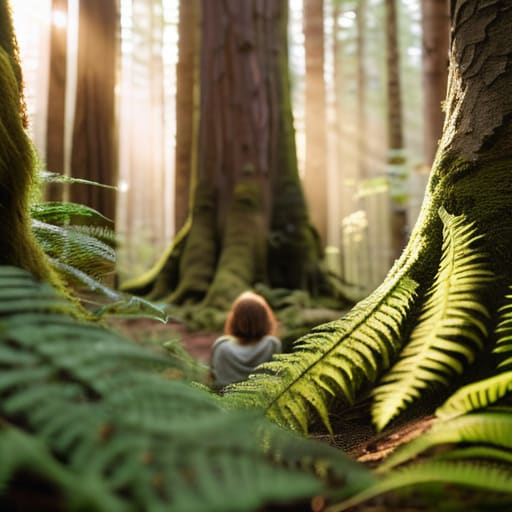
You’ve probably heard the term “forest bathing,” but it’s not about scrubbing yourself with pine needles in a stream. It’s actually about slowing down enough to let the woods sink into your skin. When you stop rushing and just exist among the trees, something incredible happens to your chemistry. Science shows that spending time in these spaces is incredibly effective at reducing cortisol levels through nature, essentially acting as a biological reset button for your nervous system.
It isn’t just a “feel-good” vibe, either; there is a real, measurable physiological shift occurring. When we immerse ourselves in these environments, we move out of that frantic “fight or flight” mode and into a state of deep restoration. This isn’t just about temporary distraction—it’s about the profound mental health benefits of forest bathing that help quiet the constant chatter in our heads. By stepping into the canopy, you aren’t just taking a walk; you’re giving your brain the permission it needs to finally unplug and recover.
The Science of Reducing Cortisol Levels Through Nature
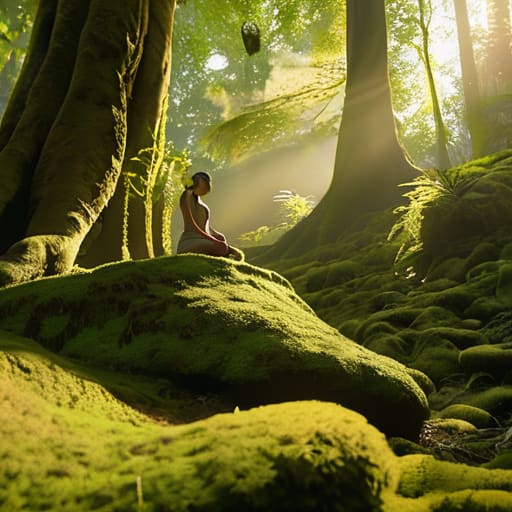
It’s easy to write off that feeling of calm as just “vibes,” but there is some heavy-duty biology happening under the hood. When you’re stuck in a concrete jungle, your body is often stuck in a low-grade state of fight-or-flight. However, research into the physiological effects of outdoor environments shows that simply being around trees can trigger a massive shift in your endocrine system. Essentially, your body stops pumping out stress hormones and starts dialing back the internal alarm bells.
Specifically, we’re looking at reducing cortisol levels through nature. Cortisol is that pesky hormone that keeps you wired and anxious, and it’s notorious for wrecking your sleep and digestion when it stays elevated for too long. Studies have consistently shown that spending time in green spaces causes a measurable drop in these levels. It’s not just a placebo effect; it’s a legitimate biological reset that helps move your nervous system from a state of high alert back into a state of rest and recovery.
How to actually make nature work for you (without it feeling like a chore)
- Ditch the headphones. I know, a podcast is tempting, but if you want the real mental reset, you have to actually listen to the wind or the birds. It’s about sensory immersion, not just walking through a park while scrolling through your feed.
- Stop aiming for the “perfect” hike. You don’t need to summit a mountain to get the benefits. Even sitting on a patch of grass in a local park for fifteen minutes can do wonders if you’re intentional about it.
- Try the “micro-dose” approach. If you’re slammed with work, don’t wait for a weekend getaway. Just step outside for five minutes between meetings. It’s better to have tiny, frequent bursts of green than one massive trip every six months.
- Get your hands dirty. There’s something uniquely grounding about actual soil. Whether it’s a small windowsill herb garden or a full-on backyard project, touching the earth creates a physical connection that a screen just can’t replicate.
- Make it a ritual, not a task. If you treat “nature time” like another item on your to-do list, you’ll start to resent it. Instead, try to find a specific time—like your first cup of coffee or a sunset walk—so it becomes a natural part of your rhythm.
The Bottom Line
You don’t need a week-long hiking expedition to see results; even twenty minutes of sitting under a tree can kickstart your nervous system’s recovery.
Nature isn’t just a “nice-to-have” luxury—it’s a biological necessity that physically lowers your stress hormones and keeps your brain from redlining.
Stop waiting for the perfect vacation to unplug; start making small, intentional doses of greenery a non-negotiable part of your daily routine.
## The Real Reset
“We spend so much time trying to ‘optimize’ our lives with apps and hacks, but sometimes the most productive thing you can do is just go sit under a tree and let your brain remember how to exist without a screen.”
Writer
The Bottom Line
At the end of the day, we’ve looked at how much weight this greenery can actually lift off your shoulders. Whether it’s the way forest bathing physically rewires your brain to handle stress better or the literal, measurable drop in your cortisol levels after a simple walk, the evidence is pretty hard to ignore. Nature isn’t just a pretty backdrop for a weekend hike; it is a biological necessity for keeping our mental health from spiraling in an increasingly digital world. We weren’t meant to spend our entire lives staring at glowing rectangles; we were built to move through the trees and feel the earth under our feet.
So, my challenge to you is simple: don’t let this just be another article you skimmed while sitting at your desk. Tomorrow, even if it’s just for fifteen minutes, leave your phone behind and go find a patch of grass or a quiet trail. You don’t need a mountain expedition to reap the rewards; you just need to show up and breathe. Your brain will thank you, your body will follow suit, and you might just find that the peace you’ve been chasing was waiting for you outside the door all along.
Frequently Asked Questions
Do I actually need to go deep into the woods, or does just sitting in a city park count?
Look, I get it—not everyone has a National Park in their backyard. But here’s the truth: you don’t need to trek into the deep wilderness to reap the rewards. A local city park, even one with a few patchy trees and a walking path, still does the trick. The goal isn’t “survivalist expedition”; it’s just breaking that digital loop and getting your eyes off a screen and onto something living.
How much time do I really need to spend outside to notice a difference in my stress levels?
If you’re looking for a magic number, the research points to about 120 minutes a week. But here’s the thing: it doesn’t have to be one massive, grueling hike. You can break that up into twenty-minute chunks throughout the week. Honestly, even just sitting on a park bench without your phone for fifteen minutes can shift your baseline. It’s less about hitting a marathon milestone and more about consistent, small doses of green.
Is there a specific time of day when being in nature is most effective for my mental health?
Honestly, there’s no magic hour, but if I had to pick a winner, it’s golden hour. There is something about that soft, late-afternoon light that just hits differently—it forces you to slow down. That said, if you’re a morning person, catching the sunrise can kickstart your dopamine levels. The real trick isn’t timing it perfectly; it’s just finding that window where you can actually unplug and be present.