How to Build a Healthy Routine You Can Keep

Look, I’m going to say it: most of the “wellness gurus” online are selling you absolute garbage. They want you to believe that learning how to build a healthy routine requires a $500 smart ring, a color-coded digital planner, and waking up at 4:00 AM to meditate in an ice bath. It’s exhausting, it’s expensive, and frankly, it’s a lie. If you’re waiting for a perfect, aesthetic morning ritual to magically fix your life, you’re going to be waiting forever. Real change isn’t about buying more stuff; it’s about cutting through the noise and figuring out what actually works when your life gets messy.
I’m not here to give you a Pinterest-perfect roadmap that falls apart the second you have a bad day at work. Instead, I’m going to show you the gritty, unpolished reality of how to build a healthy routine that actually survives contact with the real world. We’re going to focus on small, sustainable wins and the psychological tricks that keep you going when motivation inevitably dies. No fluff, no expensive gadgets—just a straightforward blueprint for building habits that actually stick.
Table of Contents
Mastering Morning Wellness Habits for Real Momentum

Look, the biggest mistake people make is treating their morning like a race they’ve already lost. If the first thing you do is grab your phone and scroll through a chaotic newsfeed, you’re basically handing your brain’s steering wheel to a stranger. Instead, focus on a few mindful daily practices that anchor you before the world starts demanding things from you. This isn’t about doing a ninety-minute meditation session; it’s about finding small, repeatable wins—like drinking a full glass of water or stepping outside for five minutes of sunlight—that signal to your body that it’s time to wake up.
The secret to making this stick isn’t intensity; it’s sustainable habit formation. Don’t try to overhaul your entire life by Tuesday. If you try to go from a sleep-deprived snooze-button addict to a 5:00 AM yoga guru overnight, you’re going to crash. Focus on how your morning affects your nutrition and energy levels later in the afternoon. When you win the morning without burning yourself out, you create a sense of momentum that carries you through the mid-day slump.
The Science of Sustainable Habit Formation
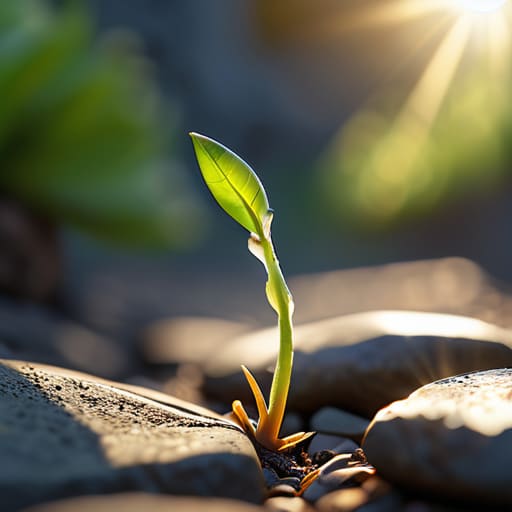
Look, the reason most people fail isn’t because they lack willpower; it’s because they try to overhaul their entire lives overnight. Your brain is wired for efficiency, which is just a polite way of saying it’s lazy. When you suddenly try to go from zero to sixty with a massive list of new tasks, your nervous system treats it like a threat. This is why sustainable habit formation is less about brute force and more about tricking your brain into accepting small, incremental shifts without triggering a massive resistance response.
Instead of aiming for perfection, focus on the mechanics of how a habit actually sticks. You want to leverage “habit stacking”—attaching a new behavior to something you already do without thinking. If you want to master mindful daily practices, don’t try to meditate for thirty minutes straight. Instead, try doing just two minutes of deep breathing while your coffee brews. It sounds trivial, but that tiny win builds the neurological pathways necessary for long-term change. It’s about playing the long game rather than burning out in a week.
The "No-BS" Rules for Making Habits Stick
- Stop trying to overhaul your entire life in a single Monday. If you try to wake up at 5 AM, hit the gym, and meal prep all at once, you’re going to crash by Wednesday. Pick one small thing and own it before you move on to the next.
- Use “habit stacking” to trick your brain. Don’t just say “I’ll meditate”; say “I’ll meditate right after I pour my first cup of coffee.” Attach the new, hard habit to something you already do without thinking.
- Design your environment so you don’t have to rely on willpower—because willpower is a liar. If you want to eat better, hide the junk in a high cabinet. If you want to work out, lay your clothes out the night before. Make the good stuff easy and the bad stuff a pain in the ass.
- Focus on “never missing twice.” Life happens. You’re going to miss a workout or eat a box of donuts. That’s fine. Just don’t let one slip-up turn into a week-long spiral. Get back on the horse immediately.
- Audit your energy, not just your time. There is no point in scheduling your hardest task for 4 PM if that’s when your brain turns to mush. Build your routine around when you actually feel alive, not just when a productivity app tells you to.
The Bottom Line: How to Actually Make This Work
Stop trying to overhaul your entire life in a single Monday; pick one small, non-negotiable habit and nail it before you even think about adding a second one.
Consistency beats intensity every single time—it’s better to do a mediocre five-minute workout than to skip it entirely because you didn’t have an hour to spare.
Build your routine around your actual life, not some idealized version of yourself, because a schedule that’s too rigid is a schedule that’s destined to fail.
The Truth About Consistency
“A routine isn’t a prison sentence of perfect execution; it’s a safety net for the days when life inevitably goes sideways.”
Writer
Stop Waiting for Perfection

Look, building a routine isn’t about achieving some flawless, Instagram-worthy lifestyle where you wake up at 5:00 AM every single day without fail. It’s about the small, tactical shifts we talked about—from mastering those first few hours of the morning to understanding how to actually trick your brain into making new habits stick through science rather than just sheer willpower. You don’t need a complete life overhaul by Monday morning; you just need to stop winging it and start making intentional, small choices that compound over time.
At the end of the day, the “perfect” routine is a myth that keeps most people stuck on the sidelines. The reality is that life is going to get messy, schedules will break, and you will inevitably have days where you fall off the wagon. The goal isn’t to be perfect; it’s to be resilient enough to get back on track without the guilt trip. So, pick one thing, start today, and remember that consistency beats intensity every single time. You’ve got this.
Frequently Asked Questions
What do I do when life gets chaotic and I completely fall off my routine for a few days?
First off, stop beating yourself up. That guilt is actually what keeps you stuck in the rut. When life hits the fan, perfection is the enemy of progress. Don’t try to “make up” for lost time by doing double workouts or eating perfectly for three days straight—that’s a recipe for burnout. Just pick one single, tiny anchor habit and get it done today. One win is all you need to stop the bleed.
How many new habits should I actually try to add at once without burning out?
Look, if you try to overhaul your entire life on a Monday morning, you’re going to crash by Thursday. The sweet spot? One. Maybe two if they’re tiny. Pick one single habit, nail it until it feels automatic, and only then move on to the next. It feels painfully slow, but slow is how you actually win. Don’t trade long-term progress for a week of unsustainable intensity.
How do I stay motivated to stick to these habits once the initial "excitement" wears off?
Look, the “honeymoon phase” of a new routine always ends. That initial surge of dopamine? It’s a lie. When the excitement dies, you can’t rely on feeling inspired—you have to rely on systems. Stop waiting for “motivation” to strike; it’s unreliable. Instead, lower the barrier to entry. Make the habit so ridiculously small that it’s harder to skip it than to just do it. Consistency beats intensity every single time.