Simple Ways to Cut Sugar From Your Meals
I still remember the absolute chaos of my third attempt at a “sugar detox.” I was sitting on my kitchen floor at 10:00 PM, staring at a half-empty bag of gummy bears with a level of desperation usually reserved for shipwreck survivors. I had followed every single “expert” guide online, only to end up feeling like a walking, talking zombie because I’d tried to go cold turkey overnight. The truth is, most of the advice you find online about how to reduce sugar in your diet is either wildly unrealistic or way too expensive, involving fancy organic substitutes that cost more than my monthly rent.
I’m not here to sell you on a lifestyle of deprivation or a cabinet full of overpriced powders. Instead, I want to give you the real-world blueprint I actually used to reclaim my energy without losing my sanity. We’re going to skip the clinical jargon and the “just use willpower” nonsense. I’m going to share the small, actually sustainable swaps and habit shifts that work when life gets messy, so you can finally break the cycle without feeling like you’re punishing yourself.
Table of Contents
Exposing the Hidden Sugars in Processed Foods
Here’s the thing: the biggest obstacle to cutting back isn’t your willpower; it’s the fact that food companies are actively working against you. Most of us think we’re making healthy choices by grabbing a “fruit” yogurt or a granola bar, but these are often Trojan horses for massive amounts of sweetener. You have to become a bit of a detective because hidden sugars in processed foods are masters of disguise. They don’t always show up as “sugar” on the back of the box; instead, they hide behind aliases like maltodextrin, barley malt, or high fructose corn syrup.
If you want to stop the cycle of energy crashes, you really have to master how to read nutrition labels for sugar beyond just looking at the total grams. I’ve learned the hard way that even “savory” items like pasta sauce or salad dressings can be loaded with glucose. Once you start spotting these sneaky additives, you’ll realize just how much of your daily intake is coming from things you never even considered “sweet.” It’s eye-opening, and honestly, a little bit infuriating.
Mastering How to Read Nutrition Labels for Sugar
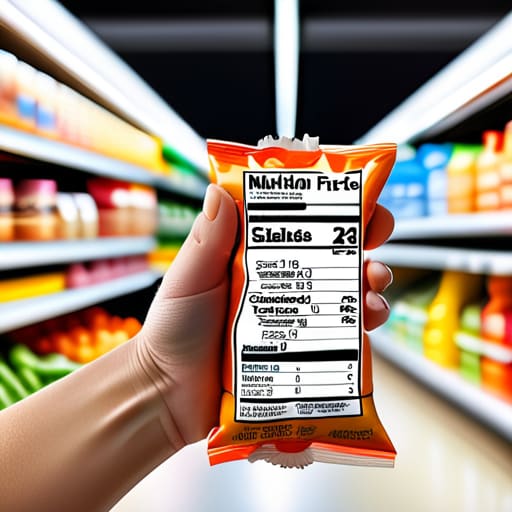
Once you’ve realized that sugar is hiding in everything from your pasta sauce to your yogurt, the next step is learning how to spot it before it hits your grocery cart. Most people just glance at the “Total Sugars” line and call it a day, but that’s where the industry plays its best tricks. To truly master how to read nutrition labels for sugar, you have to look past the big numbers and hunt down the fine print.
Don’t let a “low fat” label fool you; often, manufacturers pump up the sweetness to make up for the lost flavor. Scan the ingredient list for anything ending in “-ose”—like maltose, dextrose, or fructose. These are all red flags. If you see high fructose corn syrup or cane juice near the top of the list, put it back. Understanding these sneaky additions is vital because the constant impact of sugar on blood glucose can leave you feeling like you’re on a permanent emotional rollercoaster. Once you start reading between the lines, you’ll realize that the “healthy” snacks you’ve been buying are often just candy in disguise.
Small Wins: 5 Realistic Ways to Hack Your Sugar Cravings
- Stop drinking your calories. Most people don’t realize they’re consuming a massive amount of sugar just through soda, “healthy” fruit juices, and sweetened coffee drinks. Swap the soda for sparkling water with a squeeze of lime, and you’ll cut your intake drastically without even trying.
- Master the art of the “slow swap.” If you go cold turkey on everything sweet, you’re going to crash and binge. Instead of eating a sugary cereal, try Greek yogurt with a handful of berries. You still get that sweetness, but with fiber and protein to actually keep you full.
- Prioritize protein and healthy fats at every meal. Sugar cravings are often just your body’s desperate cry for energy because your blood sugar is crashing. By loading up on eggs, avocado, or nuts, you stabilize your levels so you aren’t hunting for a candy bar by 3:00 PM.
- Keep your “emergency snacks” smart. We’ve all been there—it’s late, you’re tired, and you reach for the cookies. Keep things like almonds, hard-boiled eggs, or even a piece of dark chocolate (at least 70% cocoa) nearby. It satisfies the urge without the massive glucose spike.
- Get better sleep, seriously. It sounds unrelated, but when you’re sleep-deprived, your hunger hormones (ghrelin and leptin) go haywire. Your brain will scream for quick energy—which usually means sugar—just to keep you awake. A solid eight hours is actually one of the best defenses against cravings.
The Bottom Line: How to Actually Win This Battle
Stop trusting the marketing fluff on the front of the box; the real truth about your sugar intake is buried deep in the ingredient list and the nutrition facts panel.
You don’t have to go cold turkey overnight—focus on swapping out one high-sugar processed snack for a whole-food alternative to see immediate results without the massive willpower drain.
Awareness is your biggest weapon, so start scanning for those sneaky aliases for sugar to stop them from sabotaging your energy levels and health goals.
The Mental Shift
“Reducing sugar isn’t about punishing yourself with bland food; it’s about recalibrating your taste buds so you can actually enjoy food again, instead of just chasing a dopamine hit from a glucose spike.”
Writer
The Long Game
Look, cutting back on sugar isn’t about achieving some impossible standard of perfection overnight. It’s about the groundwork we’ve covered: learning to spot those sneaky, hidden sweeteners lurking in your favorite “healthy” snacks and finally getting comfortable with the fine print on nutrition labels. When you stop being blindsided by the glucose spikes and start making intentional choices about what actually goes into your body, the game changes. You aren’t just avoiding a bad ingredient; you are actively reclaiming control over your energy levels and your long-term health.
Don’t let a single slip-up or a momentary sugar craving make you feel like you’ve failed. This isn’t a sprint where you cross a finish line and go back to your old ways; it’s a lifestyle shift that evolves with you. There will be days when you choose the donut, and that is perfectly fine. The goal is to ensure those days become the exception rather than the rule. Focus on the small, sustainable wins and remember that every single swap you make is a massive victory for your future self. You’ve got this.
Frequently Asked Questions
What are some natural, low-sugar ways to satisfy a sudden dessert craving?
When that 3 p.m. sugar siren starts screaming, don’t reach for the candy jar. Try a handful of frozen grapes—they’re basically nature’s sorbet. If you need something richer, go for Greek yogurt topped with a few berries or a square of dark chocolate (aim for 70% cocoa or higher). Even a sprinkle of cinnamon on some sliced apple works wonders. It’s about tricking your brain with flavor without the inevitable glucose crash.
How much does cutting out sugar actually affect my energy levels and mood throughout the day?
Honestly? It’s a game-changer. When you’re riding that sugar high, you’re basically borrowing energy from your future self—and the crash is brutal. You get that mid-afternoon brain fog and the sudden irritability that makes you want to snap at everyone. Once you stabilize your blood sugar, those jagged peaks and valleys flatten out. You’ll notice a much steadier, more reliable stream of energy and a mood that doesn’t feel like a rollercoaster.
Are there specific "healthy" foods, like yogurt or granola, that are secretly spiking my sugar intake?
Oh, absolutely. This is where most people get tripped up. You think you’re being “good” by grabbing a Greek yogurt or a handful of granola, but those “healthy” aisles are often sugar minefields. Many low-fat yogurts swap fat for massive amounts of syrup to keep the flavor, and granola is basically just baked honey and oats—it’s a dessert in disguise. If it’s marketed as a health food, check the label; it’s likely hiding a spike.