How to Set Up a Workspace That Helps You Focus
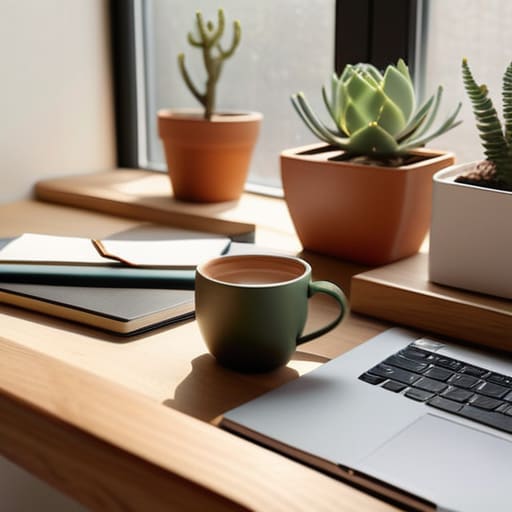
Stop scrolling through those “aesthetic” desk setups on Pinterest that look like they belong in a museum rather than a real person’s life. Seriously, if you think you need a $1,000 ergonomic chair and a minimalist marble desk to finally get your head in the game, you’ve been lied to. Most of those “influencer” setups are just expensive distractions that have nothing to do with how to build a productive workspace that actually works when you’re deep in the weeds of a deadline. You don’t need a curated lifestyle; you need a functional battle station that doesn’t fight you every time you sit down.
I’m not here to sell you on overpriced gadgets or tell you to reorganize your pens by color. Instead, I’m going to give you the raw, unpolished truth about how I transformed my own chaotic corner into a high-output zone. We’re going to focus on the psychology of your environment and the small, practical tweaks that actually move the needle. This is about building a setup that supports your brain, not one that just looks good in a photo.
Table of Contents
Mastering Ergonomic Office Setup Tips for All Day Comfort
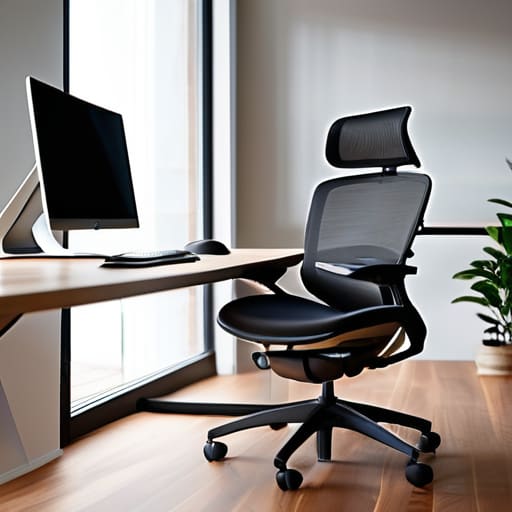
Let’s be real: you can have the fastest processor and the most expensive software, but if your neck is screaming at you by 2:00 PM, none of it matters. Most people treat their desk like a temporary landing pad, but if you’re going to live here, you need to treat it like an cockpit. Start with your chair—if it doesn’t support your lower back, you’re basically asking for a chronic ache. You want your elbows at a 90-degree angle and your eyes level with the top of your monitor. These ergonomic office setup tips aren’t just about comfort; they are about preventing that mid-afternoon brain fog that comes from physical tension.
Once your body is sorted, look at your environment. Poor workspace lighting for focus can trigger headaches faster than a bad cup of coffee. Aim for natural light where possible, or grab a warm desk lamp to kill those harsh shadows. If you find yourself constantly fidgeting or reaching for things, you need to rethink your zones. Keep the essentials within an arm’s reach and everything else tucked away. It’s about creating a flow where your body moves naturally, rather than fighting against your furniture all day.
Optimizing Workspace Lighting for Focus and Mental Clarity
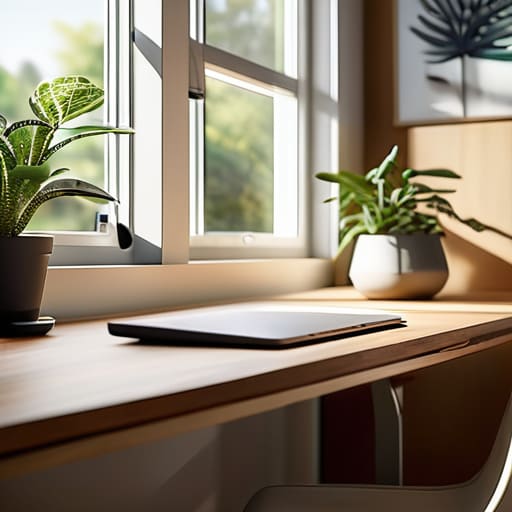
Let’s be real: nothing kills your vibe faster than a flickering overhead light or a screen that feels like it’s staring back at you through a fog. If you’re squinting by 3:00 PM, you aren’t just tired—your environment is actively fighting your brain. To fix this, you need to prioritize workspace lighting for focus by layering your light sources. Don’t rely on that single, harsh-as-hell ceiling fixture. Instead, try to pull in as much natural light as possible during the day, but position your desk so you aren’t staring directly into the sun or dealing with a blinding glare on your monitor.
When the sun goes down, that’s when most people mess up. Using a single, dim lamp creates heavy shadows that strain your eyes and tank your concentration. A better move is to use a dedicated task lamp with a warm, adjustable bulb to create a controlled pool of light right where you’re working. This helps signal to your brain that it’s time to lock in, making it much easier to stay in the zone without that constant, nagging eye fatigue.
The "No-Nonsense" Rules for a Clutter-Free Zone
- Kill the visual noise. If you haven’t touched that stack of old mail or those random cables in three days, shove them in a drawer or toss them. A messy desk is just a constant, silent distraction pulling at your focus.
- Designate a “Home” for everything. Every pen, charger, and notebook needs a specific spot. If you’re constantly hunting for a highlighter, you’re breaking your flow state and wasting mental energy you don’t have.
- Use the “One-In, One-Out” rule. Every time you bring a new gadget or a fresh notebook into your workspace, something old has to leave. It prevents your desk from turning into a graveyard of abandoned projects.
- Go digital where it actually helps. Stop printing out every single document just to scribble on them. Use a tablet or a simple note-taking app to clear the physical surface area of your desk.
- Set up a “Reset Ritual.” Spend the last five minutes of your workday clearing your surface. Walking into a clean workspace the next morning is the easiest way to trick your brain into immediate productivity.
The Bottom Line: Making Your Space Work for You
Don’t treat ergonomics as an afterthought; if your chair or monitor height is off, your focus will die long before your to-do list does.
Stop fighting the shadows—getting your lighting right isn’t just about seeing your keyboard, it’s about keeping your brain from hitting a mid-afternoon slump.
A productive workspace isn’t about buying every expensive gadget on the market, it’s about removing the friction between you and your actual work.
## The Reality of Flow
“Your desk isn’t just a piece of furniture; it’s the cockpit of your focus. If your environment is fighting you, you’ve already lost the battle before you’ve even typed a single word.”
Writer
Stop Overthinking and Start Building
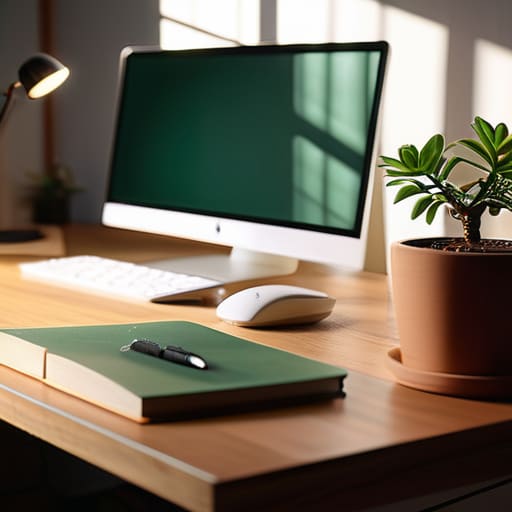
At the end of the day, building a killer workspace isn’t about buying the most expensive gear or having a desk that looks like a Pinterest board. It’s about the fundamentals: getting your ergonomics dialed in so your back doesn’t ache by noon, and fixing your lighting so you aren’t squinting at a screen in a dark room. When you combine physical comfort with an environment that actually supports your mental flow, you stop fighting against your surroundings and start working with them. It’s a massive shift from constantly feeling drained to feeling like you’re actually in the zone.
Don’t feel like you have to overhaul your entire office overnight. Start small—maybe just move your lamp or fix your chair height—and see how it changes your energy. Your workspace should be a tool that serves you, not a cluttered room that drains you. The goal isn’t perfection; it’s creating a space where you can actually show up and do your best work without the constant friction of a bad setup. Now, get off the internet, go tweak your desk, and go get things done.
Frequently Asked Questions
How do I keep my desk from getting cluttered again after I spend an hour cleaning it?
The “clean desk” high never lasts because you’re treating cleaning like an event rather than a habit. Stop trying to deep-clean once a week and start doing “micro-cleans.” At the end of every work session, spend exactly two minutes resetting your space: trash in the bin, pens in the drawer, coffee mug to the kitchen. If you treat your desk like a stage that needs to be reset between acts, the clutter won’t stand a chance.
Is it actually worth spending the money on a high-end ergonomic chair, or can I just use a cushion?
Look, I get the temptation to save a few hundred bucks with a memory foam cushion, but here’s the reality: a cushion is just a band-aid. It might help for an hour, but it won’t fix your posture or support your spine during an eight-hour grind. If you’re serious about avoiding chronic back pain, invest in the chair. It’s not a luxury; it’s essential equipment for your body.
How can I stay productive in a workspace if I live in a small, noisy apartment?
Living in a cramped, noisy apartment is a recipe for burnout if you don’t draw hard lines. First, ditch the open floor plan mentality—even a small desk facing a wall can create a “mental zone” that separates work from your living space. Grab some decent noise-canceling headphones to drown out the neighbors, and use visual cues, like a specific lamp you only turn on during work hours, to tell your brain it’s time to focus.