How to Make Better Coffee at Home Than Your Cafe
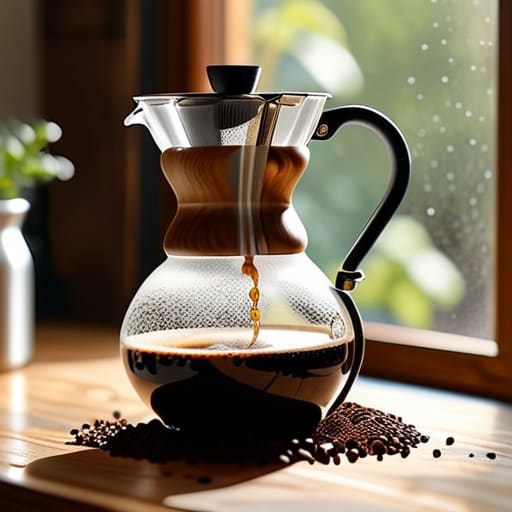
Look, let’s stop pretending that you need a $2,000 espresso machine and a degree in fluid dynamics just to enjoy a decent caffeine fix. I spent way too many mornings watching YouTube tutorials and buying overpriced gadgets that promised “professional results,” only to end up with a cup of bitter, burnt sludge that tasted like regret. If you’re tired of the gatekeeping and the unnecessary complexity surrounding how to make coffee at home, you aren’t alone. Most of the “expert” advice out there is just marketing fluff designed to empty your wallet rather than improve your morning.
I’m not here to sell you on a lifestyle or a fancy aesthetic; I’m here to tell you what actually works. In this guide, I’m stripping away the pretension to show you the real, grit-under-the-fingernails methods for brewing a killer cup without the headache. We are going to focus on the few variables that actually matter—like bean freshness and water temperature—so you can master how to make coffee at home like a pro, even if you’re still working in your pajamas.
Table of Contents
Essential Coffee Brewing Equipment for Beginners
Before you go out and drop half a paycheck on a professional espresso machine, let’s get one thing straight: you don’t need a cafe-grade setup to make a killer cup. When you’re looking for coffee brewing equipment for beginners, the goal is simplicity without sacrificing quality. Start with a decent burr grinder. I know, it sounds like an extra chore, but using freshly ground coffee beans is the single biggest lever you can pull to transform your morning routine from mediocre to spectacular.
Once you have the beans sorted, you need a reliable way to get the water through them. If you’re just starting out, I highly recommend a French press or a simple pour-over dripper like a Hario V60. These tools are forgiving, easy to clean, and allow you to experiment with different coffee extraction techniques without a steep learning curve. Just make sure you aren’t using boiling water straight off the stove; hitting that perfect water temperature for coffee (usually around 200°F) is the secret to avoiding that bitter, burnt aftertaste that ruins even the most expensive beans.
The Magic of Using Freshly Ground Coffee Beans
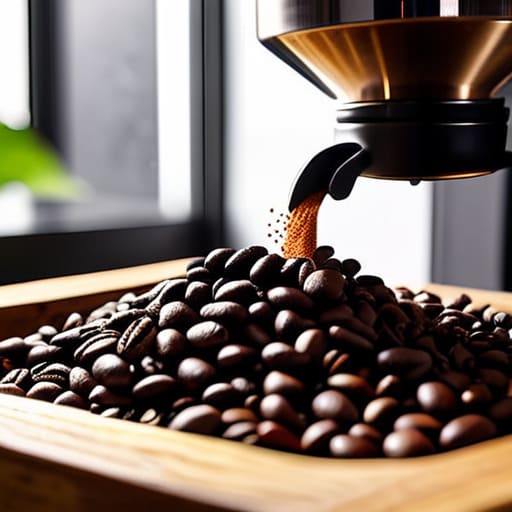
Look, I know it’s tempting to grab a pre-ground bag from the grocery store because it’s easy, but if you really want to level up, you have to stop doing that. The second those beans are pulverized, they start losing those volatile oils that give coffee its soul. By the time that bag hits your pantry, most of the flavor has already evaporated into thin air. If you want to start improving your coffee flavor profile immediately, you need to make the switch to grinding your own beans right before you brew.
The difference is night and day. When you use freshly ground coffee beans, you’re capturing a spectrum of aromas and nuances that pre-ground stuff simply can’t touch. It’s the difference between a dull, flat soda and a crisp, sparkling one. Plus, once you get a decent grinder, you can actually control the particle size to suit your specific setup. This level of control is the secret sauce behind the most successful coffee extraction techniques, ensuring your brew is balanced and bright rather than bitter or sour.
5 Pro Moves to Level Up Your Morning Brew
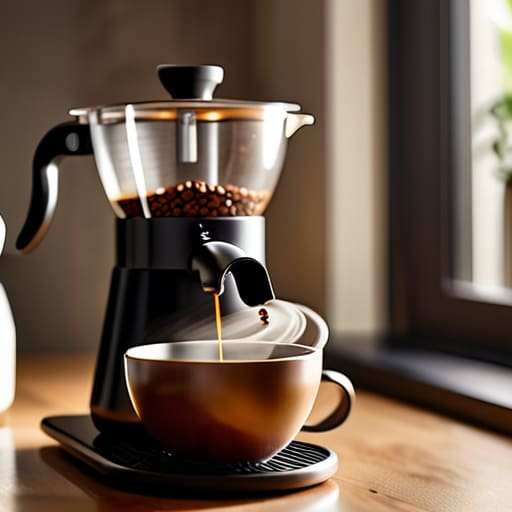
- Stop guessing with your water. If you’re using tap water that tastes like chlorine, your coffee is going to taste like chlorine too. Use filtered water to let the actual flavor of the bean shine through.
- Get a decent scale. Measuring by “scoops” is a recipe for inconsistency. If you want that same delicious cup every single morning, you need to weigh your coffee and water in grams.
- Watch your temperature. Boiling water is a rookie mistake—it’ll scorch the grounds and leave you with a bitter, nasty mess. Aim for just off the boil, around 195°F to 205°F, for a smoother finish.
- Don’t ignore your ratio. The golden rule is usually about 1 to 2 tablespoons of coffee for every 6 ounces of water, but once you have your scale, aim for that 1:16 ratio to hit the sweet spot.
- Clean your gear religiously. Old coffee oils turn rancid quickly and will ruin even the most expensive beans. Give your carafe and brewer a good scrub after every single use.
The Quick Cheat Sheet
Stop buying pre-ground bags; invest in a decent grinder and fresh beans to instantly fix a mediocre cup.
You don’t need a $1,000 espresso machine to start—just get the basic gear right and focus on your technique.
Consistency is everything, so pay attention to your water temperature and grind size rather than just winging it.
## The Real Secret to a Better Morning
“Stop treating your morning coffee like a chore you have to get through and start treating it like the one ritual that actually belongs to you.”
Writer
Your Journey to the Perfect Pour
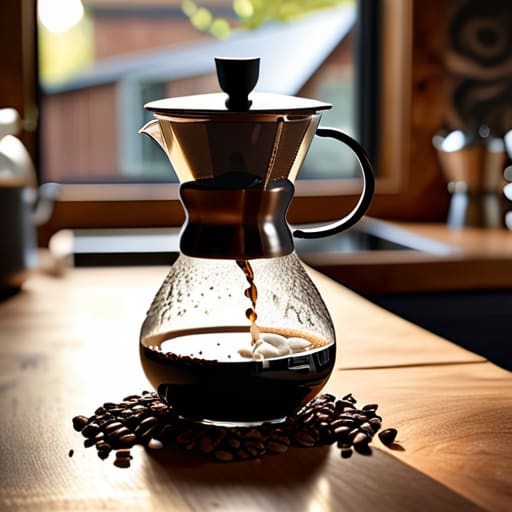
At the end of the day, mastering home brewing isn’t about owning every expensive gadget on the market or having a degree in chemistry. It really comes down to the fundamentals we’ve talked about: investing in the right gear, prioritizing high-quality water, and—most importantly—never settling for anything less than freshly roasted beans. Once you stop relying on pre-ground grocery store dust and start paying attention to your grind size and temperature, you’ll realize just how much of a difference those small tweaks make. You’ve already done the hard part by learning the basics; now it’s just about putting them into practice.
Don’t get discouraged if your first few attempts don’t taste like something from a high-end boutique cafe. Brewing is a skill, and like anything worth doing, it takes a little bit of trial and error to find your personal sweet spot. Treat every morning cup as an experiment rather than a chore. Eventually, you won’t just be making coffee; you’ll be crafting an experience that makes getting out of bed the best part of your day. So, grab your kettle, get those beans grinding, and enjoy the process.
Frequently Asked Questions
Do I really need an expensive grinder, or can I get away with a cheap one?
Look, if you’re choosing between a fancy espresso machine and a decent grinder, buy the grinder. Every single time. A cheap, blade-style grinder chops your beans into uneven chunks—half dust, half boulders—which makes your coffee taste bitter and sour at the same time. You don’t need to drop $500 on a professional burr grinder, but please, just get a reliable entry-level manual or electric burr grinder. Your taste buds will thank you.
How much water should I actually use compared to the amount of coffee grounds?
This is where most people mess up their morning brew. You can’t just eyeball it and hope for the best. The golden rule is the coffee-to-water ratio: aim for 1:15 or 1:17. That means for every gram of coffee you use, you’ll need 15 to 17 grams of water. If you’re using a standard kitchen scale, try 30 grams of coffee to 500 grams of water. It’s the easiest way to stop guessing and start tasting.
Is it worth buying pre-ground coffee if I'm just starting out?
Look, I get it. Buying a grinder feels like another expensive chore when you’re just trying to wake up. If you’re on a tight budget or short on counter space, pre-ground is fine for getting your feet wet. But honestly? You’ll hit a ceiling pretty fast. The second you taste the difference that a fresh grind makes, you’ll realize the extra few bucks for a grinder is the best investment you’ll ever make.