Yoga for Beginners: Poses to Start With Today
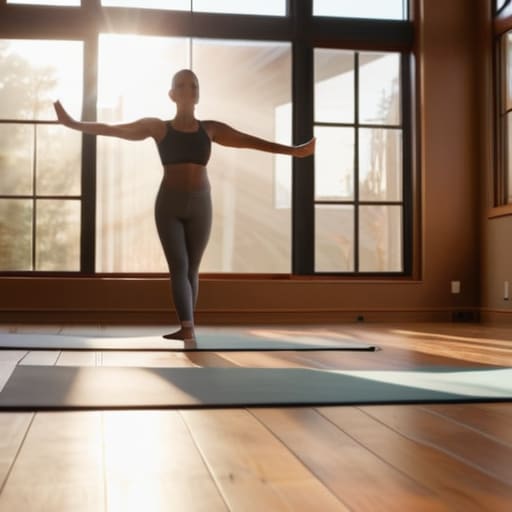
Let’s be real: most of the stuff you see online about yoga for beginners is absolute nonsense designed to sell you $120 leggings and a sense of inadequacy. You’re told you need to be flexible, zen, and able to fold yourself into a pretzel just to step onto a mat. That’s a lie. I spent my first few months feeling like a clumsy newborn giraffe, sweating through my shirt and wondering why I couldn’t touch my toes, and honestly? That was the most honest part of the whole experience.
I’m not here to sell you a lifestyle or pretend that a single session will solve your existential dread. What I am going to do is give you the straight-up truth about what actually works when you’re starting from zero. No fluff, no expensive gear requirements, and definitely no judgment. We’re going to focus on the actual movements that make sense for a real human body, so you can stop overthinking the poses and just start moving.
Table of Contents
Mastering the Essentials Your First Daily Yoga Routine for Beginners
Look, you don’t need a studio membership or a collection of expensive gear to get moving. In fact, the best way to start is by keeping things incredibly simple. For your daily yoga routine for beginners, I suggest starting with just fifteen minutes of movement right when you wake up. Begin with some gentle cat-cow stretches to wake up your spine, then move into a basic downward dog. Don’t worry about looking like a pro; the goal here isn’t perfection, it’s just showing up for yourself.
As you move through these poses, pay attention to your breath. It sounds cliché, but incorporating basic yoga breathing techniques is what actually shifts your state from stressed to centered. Instead of holding your breath while you struggle with a pose, try to find a steady, rhythmic flow. If a movement feels too intense, back off. This is about listening to your body, not punishing it. If you focus on the connection between your lungs and your limbs, you’ll find that the physical benefits follow naturally.
Beyond the Mat Essential Yoga Equipment You Actually Need
Look, you don’t need to walk into a boutique studio and drop a paycheck on a mountain of high-tech gear just to get started. Honestly, the biggest mistake I see is people thinking they need a full setup before they even know if they’ll stick with it. If you’re just building your daily yoga routine for beginners, the absolute bare minimum is a decent mat. You want something with enough grip so you aren’t sliding around like a slip-and-slide during downward dog, but don’t go overboard with the expensive eco-friendly brands until you’ve actually used them for a month.
Once you have a foundation, a couple of props can be total game-changers for your practice. I’m talking about a couple of firm blocks and maybe a strap. These aren’t “crutches”—they are tools that help you reach deeper into gentle yoga stretches without straining your joints or compromising your form. If you find yourself struggling to touch your toes, a block brings the floor to you, making the movement feel accessible rather than frustrating. Keep it simple, keep it functional, and save your money for the good stuff later.
5 Ways to Stop Fighting Your Own Body
- Forget about being flexible. Seriously. If you can’t touch your toes right now, that’s actually the whole point of doing yoga in the first place. Don’t let a stiff hamstring stop you from showing up.
- Listen to your ego less and your body more. There is a huge difference between “good pain” (a deep stretch) and “bad pain” (a sharp, stabbing sensation). If it stabs, back off immediately.
- Ditch the “perfect” aesthetic. You don’t need a matching sage-green set or a studio that smells like expensive incense to have a real practice. Just grab some comfortable clothes and a patch of floor.
- Breath is your actual anchor. When you find yourself holding your breath because a pose feels hard, you’ve gone too far. If you can’t breathe deeply, you’re just performing, not practicing.
- Consistency beats intensity every single time. Doing ten minutes of stretching on your living room floor three times a week is way more effective than trying to do a grueling 90-minute class once a month.
The Bottom Line
Forget the expensive gear and the perfect poses; just grab a mat, find a quiet corner, and move in a way that feels good for your body.
Consistency beats intensity every single time—five minutes of intentional breathing is better than one grueling hour once a month.
Listen to your body, not your ego. If a pose hurts, back off. Yoga is about connection, not checking off a list of difficult postures.
## A Reality Check for the Newbie
“Forget the perfect alignment you see on Instagram; yoga isn’t about looking like a pretzel, it’s about finally showing up for yourself without an apology.”
Writer
Just Show Up
Look, we’ve covered a lot of ground—from building a routine that actually sticks to realizing you don’t need a closet full of expensive gear to get started. The biggest takeaway here is that yoga isn’t about achieving some impossible level of flexibility or owning the most aesthetic mat on Instagram. It’s about the small, consistent wins: finding a few minutes for a basic flow, breathing through a tight hip, and learning to listen to your body instead of forcing it into submission. If you can master the basics and keep your equipment simple, you’ve already won half the battle.
At the end of the day, the most important thing you can do is simply roll out your mat. There will be days when you feel like a natural and days when you feel like a human pretzel gone wrong, and honestly? That’s perfectly fine. Yoga isn’t a performance; it’s a practice. Don’t get caught up in the comparison trap or the pressure to look “zen” all the time. Just focus on being present, staying curious, and trusting the process. You’re doing better than you think you are, so just keep showing up.
Frequently Asked Questions
How often do I actually need to practice to see any real changes in my flexibility?
Look, there’s no magic number, but if you’re waiting for a monthly marathon to see results, you’re going to be disappointed. Consistency beats intensity every single time. Aim for at least three times a week—even if it’s just a quick 15-minute stretch. If you show up regularly, you’ll start feeling that “unlocked” sensation in your muscles within a few weeks. It’s about frequency, not how long you spend sweating on the mat.
What should I do if I can't touch my toes or if my poses feel totally awkward?
Listen, if you can’t touch your toes, join the club. Most of us spend half our practice staring at our shins instead of our feet. And the awkwardness? That’s just part of the process. Don’t try to force a pose just because it looks pretty on Instagram. Use blocks, bend your knees, or just take a breath and reset. Yoga isn’t about looking perfect; it’s about showing up and being okay with the wobbles.
Is it okay to do yoga every single day, or will I end up overdoing it?
Honestly? You can, but don’t turn it into a chore. If you’re doing a vigorous Vinyasa flow every single morning, your body will eventually scream for a break. The trick is variety. Mix in some heavy lifting days with some super chill, restorative Yin sessions. Listen to your joints, not your ego. If you’re feeling wrecked, take a rest day. Yoga should fuel you, not drain you.