Morning Stretches to Wake Up Your Body and Mind
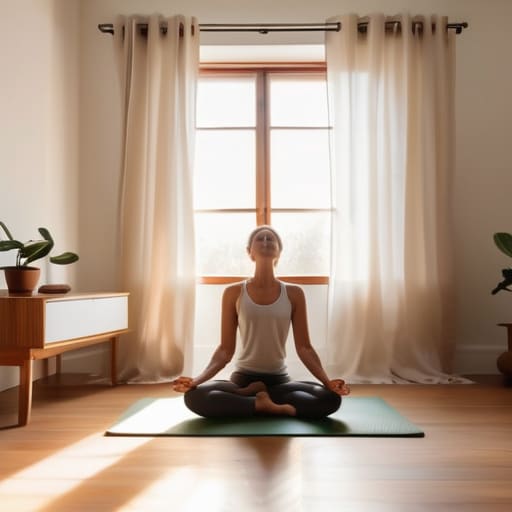
Honestly, if I see one more “wellness influencer” claiming you need a $200 cork yoga mat and a forty-minute meditative ritual just to get your blood flowing, I might actually lose it. Most of that high-production nonsense is just a way to sell you a lifestyle you don’t actually have time for. You don’t need a zen sanctuary or a designer leggings collection to make morning stretches actually work for you; you just need to stop treating your body like a piece of fragile glass that requires a professional ceremony every time the sun comes up.
I’m not here to give you some flowery, unrealistic routine that you’ll abandon by Tuesday. Instead, I’m going to share the exact, stripped-back movements I use to shake off that heavy, “hit-by-a-truck” feeling without spending an hour of my life doing it. This is about real-world movement that fits into a messy, busy life. No fluff, no expensive gear, and absolutely no judgment—just the stuff that actually makes a difference in how you move from the moment your feet hit the floor.
Table of Contents
Mastering Your Morning Mobility Routine

The trick to actually sticking with this isn’t about pushing yourself into a grueling workout the second your eyes open. It’s really about finding a rhythm that feels sustainable. Instead of jumping straight into intense poses, focus on gentle wake up movements that respect where your body is at in that moment. Some mornings you’ll feel like a coiled spring, and other days you’ll feel like a piece of dry toast; both are fine. The goal is simply to signal to your nervous system that it’s time to transition from sleep to life.
To get the most out of your session, try to flow through your movements rather than holding them in a rigid, static way. Integrating a bit of full body morning yoga can help bridge that gap between being stationary and being active. Think of it as oiling the joints rather than training for a marathon. If you focus on breath and gradual expansion, you’ll find that you aren’t just moving your limbs—you’re actually setting a mental tone for the rest of your day.
Stretching to Reduce Stiffness and Tension

We’ve all been there—waking up feeling like our muscles have turned into actual concrete. That heavy, achy sensation usually comes from hours of staying completely still, and trying to jump straight into a busy day without addressing it is a recipe for burnout. Instead of powering through the discomfort, try incorporating some gentle wake up movements to signal to your nervous system that it’s time to move. It’s not about pushing your limits or hitting intense poses; it’s about slowly coaxing those tight fibers to let go.
Focusing on stretching to reduce stiffness is really more about blood flow than anything else. When you target the areas that hold the most tension—usually your hips, lower back, and neck—you’re essentially lubricating your joints for the day ahead. Even five minutes of intentional movement can act as a reset button for your physical state. If you find yourself feeling particularly sluggish, treating these motions as part of your broader morning wellness habits can transform how you carry yourself from the moment you step out of bed.
Little Tweaks for a Better Flow
- Don’t rush into it. Give your body a few minutes to actually wake up before you start pulling on your muscles; jumping straight into deep stretches while you’re still half-asleep is a recipe for a strain.
- Focus on your breath, not just the movement. If you find yourself holding your breath to reach your toes, you’re pushing too hard. Deep, steady inhales are what actually help those muscles relax.
- Keep it consistent rather than intense. It’s way better to do five minutes of easy movement every single morning than to spend forty minutes stretching once a week and calling it progress.
- Listen to your body’s “no.” There’s a big difference between that good, productive tension and actual sharp pain. If something feels wrong, back off immediately—no ego allowed in your morning routine.
- Use your environment to your advantage. You don’t need a yoga mat and a studio; even just reaching for the ceiling while your coffee brews or doing a quick calf stretch against the kitchen counter counts.
The Quick Lowdown
Don’t overthink it—even five minutes of movement is better than staying glued to your phone in bed.
Listen to your body; if a stretch feels sharp or painful, back off immediately rather than trying to “power through.”
Consistency beats intensity every single time, so aim for a routine you actually enjoy doing daily.
## A Quick Reality Check
“Forget the idea that you need a perfect, hour-long yoga session to see results; sometimes, just five minutes of reaching for the ceiling is enough to tell your body that it’s time to actually show up for the day.”
Writer
Making It Stick

At the end of the day, getting these morning stretches into your routine isn’t about achieving perfect flexibility or looking like a yoga instructor on Instagram. It’s really just about listening to your body and giving yourself those few extra minutes to shake off the overnight stiffness. We’ve talked about mastering your mobility and finding those specific movements that melt away tension, but the real magic happens when you stop treating it like a chore and start seeing it as a small act of kindness for your future self. Whether you’re doing a full flow or just a couple of quick reaches before your coffee hits, you’re setting a much better tone for the hours ahead.
Don’t feel like you have to go all-in tomorrow morning. If you only have three minutes, take them. If you can only do one stretch, do that one. The goal is simply to show up for yourself consistently, even on the mornings when you’d much rather hit snooze one more time. Over time, you’ll realize that these tiny, intentional movements add up to a much bigger sense of ease and energy throughout your entire day. So, roll out that mat, take a deep breath, and just start moving—your body will definitely thank you for it.
Frequently Asked Questions
Is it actually safe to stretch if my muscles feel really tight or even a bit painful right when I wake up?
Here’s the thing: there’s a big difference between “tight” and “painful.” If it’s just that heavy, stiff feeling, gentle movement is actually your best friend. But if you’re feeling sharp, stabbing, or localized pain, please—stop. Don’t try to power through it. That’s your body’s way of saying something is wrong. Listen to it. Start with tiny, micro-movements first; if the pain doesn’t ease up, give it a rest and consult a pro.
How long do I actually need to spend on this every morning to see a real difference in my flexibility?
Honestly? You don’t need to spend an hour on this. If you’re looking for real results without feeling like it’s a chore, aim for about 10 to 15 minutes. Consistency beats intensity every single time. Even if you just squeeze in five minutes of focused movement on those crazy busy mornings, it’s better than doing nothing. Just show up for yourself daily, and you’ll start feeling that looseness kick in within a week or two.
Should I be doing these stretches before or after I have my first cup of coffee?
Honestly? Do them before. I know, I know—the thought of moving without caffeine feels like a crime, but getting your blood flowing first actually helps wake your brain up more naturally. Think of the stretches as the “pre-game” for your coffee. Plus, once that caffeine hit kicks in, you’ll feel even more energized and ready to tackle the day. Just keep it gentle until that first sip hits!