Sinking Funds: the Easiest Way to Save for Everything

I still remember the sinking feeling in my gut when my car’s transmission decided to give up the ghost on a random Tuesday in November. I had been “budgeting” for months, yet there I was, staring at a repair bill that felt like a personal attack on my bank account. Most financial gurus will tell you that you just need a more complex spreadsheet or a high-yield savings account with a fancy name, but honestly? That’s just noise. If you’re trying to figure out how to set up sinking funds that actually work in the real world, you don’t need a PhD in finance; you just need a way to stop living in constant survival mode.
I’m not here to sell you on some complicated, theoretical system that falls apart the second a real-life emergency hits. Instead, I’m going to show you the exact, stripped-back method I use to bucket my cash so that big expenses feel like minor inconveniences rather than total disasters. We’re going to skip the fluff and get straight into the practical steps of how to set up sinking funds that fit your actual life, your actual income, and your actual goals.
Table of Contents
The Critical Difference Emergency Fund vs Sinking Fund
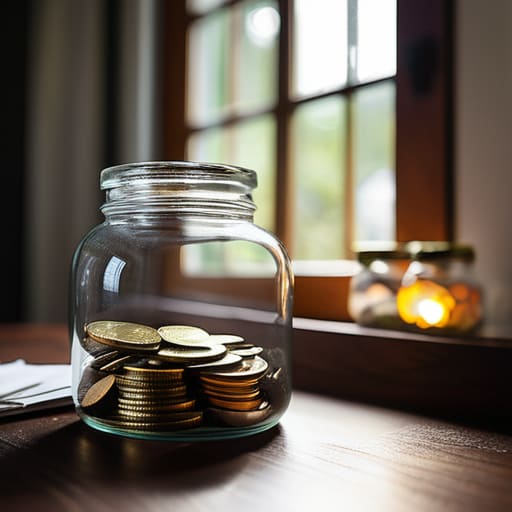
Here is the most common mistake I see people make: they treat their emergency fund and their sinking funds like they’re the same thing. They aren’t. Think of your emergency fund as your financial bodyguard—it’s there for the “oh crap” moments you never saw coming, like losing your job or a sudden medical crisis. You don’t touch this money for anything else.
A sinking fund, on the other hand, is for the stuff you know is coming. It’s for the predictable, irregular expenses that usually wreck your budget if you aren’t prepared, like annual car registration, holiday shopping, or your dog’s yearly vet visit. When comparing an emergency fund vs sinking fund, the main difference is certainty. You know the holidays are coming; you don’t know when your transmission is going to blow.
By separating these two, you stop feeling like you’re “failing” at saving just because you had to spend money on a planned vacation. You didn’t dip into your safety net; you just used the money you specifically set aside for that purpose.
Sinking Fund Examples for Beginners to Get You Started

If you’re staring at a blank spreadsheet wondering where to even begin, don’t sweat it. Most people start with the “big hitters”—those predictable but annoying costs that always seem to pop up right when your bank account is looking low. Think about things like car maintenance, annual insurance premiums, or even holiday shopping. These are classic sinking fund examples for beginners because they aren’t true emergencies, but they definitely hurt if you aren’t prepared. By carving out a small amount each month for a “Car Repair” fund, you’re essentially pre-paying for that inevitable oil change or new set of tires.
Beyond the big stuff, you can get way more granular to really smooth out your cash flow. I’m talking about the smaller, lifestyle-based costs like quarterly subscriptions, vet visits, or even a dedicated “Birthday Gift” fund. The real magic happens when you stop viewing these as random surprises and start seeing them as saving for irregular expenses that you’ve already accounted for. Once you nail down these categories, you’ll realize that most of your “financial stress” was actually just a lack of planning for things that were bound to happen anyway.
5 Ways to Actually Make This Work (Without Losing Your Mind)
- Don’t try to fund everything at once. If you try to start ten different sinking funds on day one, you’re going to burn out by next Tuesday. Pick your two biggest “financial headaches”—like car repairs or holiday spending—and master those first.
- Automate the boring stuff. If you have to manually move money every single month, you’re eventually going to “forget” (or just decide you’d rather spend it on takeout). Set up a recurring transfer from your checking to your savings so the money disappears before you even have a chance to miss it.
- Use “sub-accounts” if your bank allows it. There is nothing more confusing than seeing one giant pile of money and thinking you’re rich, only to realize it’s actually meant for next month’s insurance premium. If your bank doesn’t have buckets, just use a simple spreadsheet to track what’s what.
- Be realistic with your math. If you need $600 for Christmas and you only set aside $5 a month, you aren’t building a sinking fund—you’re building a fantasy. Do the math: divide the total cost by the number of months left, and make sure that number is actually doable for your budget.
- Forgive yourself when you slip up. Life happens. If you have to dip into your “Vacation Fund” to cover a random vet bill, don’t throw the whole system out the window. Just reset, adjust your goal, and start moving money again next month.
The Bottom Line: How to Make This Work for You
Stop treating every big bill like a surprise; if you know it’s coming, name it, fund it, and breathe easy when it finally arrives.
Don’t try to fund everything at once or you’ll burn out—pick your two biggest “financial headaches” and start there.
Keep your sinking funds separate from your emergency fund so you don’t accidentally spend your “car repair” money on a “vacation” fund.
## The Mindset Shift
“A sinking fund isn’t just another line item in a spreadsheet; it’s a way to stop life’s predictable surprises from feeling like personal attacks on your bank account.”
Writer
Ready to Take Control?

At the end of the day, setting up sinking funds isn’t about restricting your lifestyle or living a life of constant deprivation. It’s actually the exact opposite. By clearly separating your “emergency” money from your “planned expense” money, you’re removing the guesswork and the constant low-grade anxiety that comes with every upcoming birthday, car registration, or holiday season. You’ve learned how to categorize your goals, you’ve seen how even small, consistent contributions add up, and you now know that preparedness is the ultimate antidote to financial stress.
Don’t feel like you have to build a massive, complex spreadsheet before you can start. The best time to set up your first fund was yesterday, but the second best time is right now. Start with just one—maybe it’s a small fund for your next coffee run or a larger one for a summer vacation—and just start moving the money. Once you feel that first wave of relief when a “big” bill arrives and you realize you already have the cash sitting there waiting, you’ll never want to go back to living paycheck to paycheck again. You’ve got this.
Frequently Asked Questions
How much money should I actually be putting into each fund every month without feeling broke?
Look, there’s no magic number, and if you try to fund everything at once, you’ll burn out by Tuesday. Start by looking at your calendar. If you know your car insurance is $600 every six months, that’s $100 a month. Period. Grab your most urgent “stressors” first—the ones that keep you up at night—and automate those. Once those are moving, you can slowly layer in the rest without feeling like you’re starving.
Should I keep all my sinking funds in one big savings account or open separate ones for each goal?
Honestly? If you can do it, open separate accounts. There is something incredibly satisfying about seeing a specific balance labeled “Italy Trip” or “New Car” rather than just one giant, confusing pile of cash. It keeps you honest. If everything is in one bucket, it’s way too easy to accidentally dip into your Christmas fund to pay for a random weekend getaway. Keep them separate to keep your goals sacred.
What happens if I don't meet my savings goal by the time the big expense actually arrives?
Honestly? It stings. There’s no way around that feeling of “failing” your budget. But here’s the reality: life happens. If the car repair hits before the fund is full, don’t panic and don’t beat yourself up. You just pivot. Use whatever you’ve scraped together, cover the rest with your emergency fund if you have to, and then—this is the important part—reset the goal. Adjust the timeline, start again, and keep moving.