How to Store Food So It Stays Fresh Longer
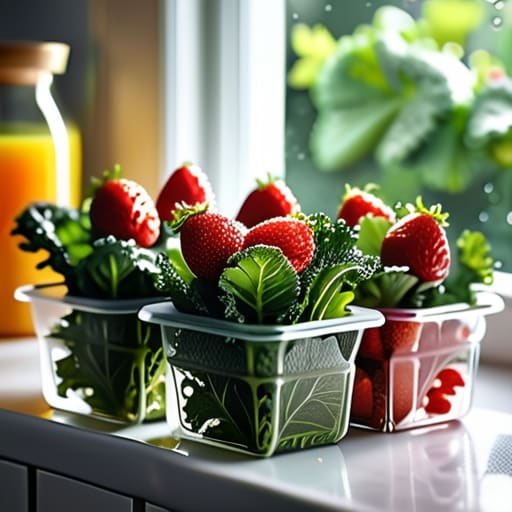
I’m going to say something that might make the “lifestyle influencers” cringe: you don’t need a $500 vacuum sealer or a collection of designer glass canisters to keep your groceries from rotting. Honestly, most of the advice out there about how to store food properly is just a way to sell you more plastic junk you don’t actually need. I spent years falling for the hype, thinking I needed a specialized gadget for every single vegetable, only to find myself still tossing wilted spinach into the trash every Tuesday. It’s exhausting and, frankly, a total waste of money.
I’m done with the fluff, and I assume you are too. In this guide, I’m stripping away the marketing nonsense to give you the actual, no-BS methods that work in a real kitchen. We aren’t talking about aesthetic pantry organization; we’re talking about practical, experience-based hacks to stop your produce from dying prematurely. I’ll show you exactly how to handle your groceries so you can finally stop throwing money in the bin and start eating what you actually paid for.
Table of Contents
- Mastering Refrigerator Organization Tips for Maximum Freshness
- The Secret Science of Preventing Food Spoilage
- 5 Quick Wins to Stop Your Groceries from Dying in the Fridge
- The Bottom Line: Stop Throwing Your Money in the Trash
- The Real Cost of Neglect
- The Bottom Line on Food Waste
- Frequently Asked Questions
Mastering Refrigerator Organization Tips for Maximum Freshness
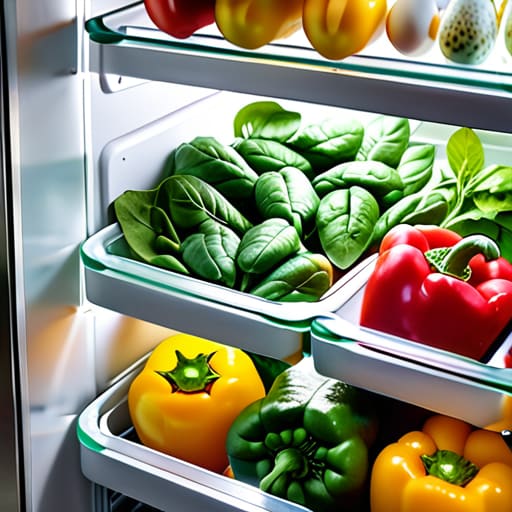
Let’s be real: a messy fridge is a recipe for expensive mistakes. If you’re just tossing leftovers in random spots, you’re basically asking for your groceries to die prematurely. To actually see a difference in the shelf life of common groceries, you need to respect the temperature zones. The door is the warmest spot, so keep your condiments there and move your milk or eggs toward the back where it’s actually cold. If you want to get serious about preventing food spoilage, stop stacking everything in one giant pile. Give your produce some breathing room in the crisper drawers; overcrowding creates moisture traps that turn your spinach into slime overnight.
Once you’ve got the zones down, it’s all about the containers. This is where most people drop the ball. Instead of leaving half-eaten takeout in its flimsy plastic tub, transfer it to glass. Taking advantage of airtight container benefits is the easiest way to keep odors from mixing and textures from getting weird. It’s a small habit, but it’s the difference between a crisp salad and a soggy mess.
The Secret Science of Preventing Food Spoilage
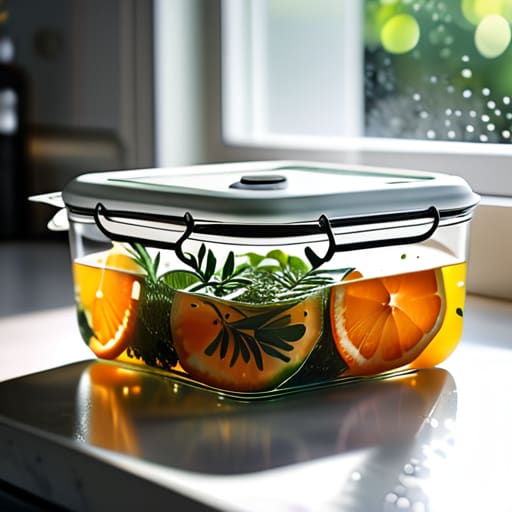
Look, preventing food spoilage isn’t just about luck; it’s about understanding the tiny, invisible enemies working against you. Most of the time, it’s moisture or oxygen causing the chaos. When oxygen hits your sliced fruit or leftover pasta, it starts a chemical reaction that leads to mushy, unappetizing mess. This is where understanding airtight container benefits becomes a total game-changer. By stripping away that oxygen, you’re essentially hitting the “pause” button on decay, keeping things crisp and flavorful for much longer than if you just left them in a bowl with some plastic wrap.
Then there’s the temperature factor, which is where most people mess up. It’s not just about keeping things cold; it’s about consistency. If your fridge temperature fluctuates every time you open the door, you’re creating a breeding ground for bacteria. This is especially vital when you’re managing the shelf life of common groceries like dairy or meat. If you can stabilize those environments—whether in the crisper drawer or the deep freeze—you’ll stop throwing half your grocery budget straight into the trash.
5 Quick Wins to Stop Your Groceries from Dying in the Fridge
- Stop putting your tomatoes in the fridge. Seriously. Cold temperatures kill their texture and turn them into mushy, flavorless blobs. Keep them on the counter where they belong.
- Treat your leafy greens like they’re royalty. Wash them, dry them thoroughly, and tuck them into a container lined with a paper towel to soak up that extra moisture that causes rot.
- Don’t let your fruit hang out with your veggies. Many fruits release ethylene gas as they ripen, which acts like a biological “kill switch” for your broccoli and lettuce. Keep them in separate zones.
- Use the “First In, First Out” rule. When you get home from the store, move the older stuff to the front of the shelf and put the new groceries in the back. It sounds simple, but it stops you from finding a science project in the corner of your crisper drawer.
- Invest in some decent glass containers. Plastic can trap odors and sometimes holds onto bacteria, but glass keeps things airtight and actually lets you see what’s inside so nothing gets forgotten and wasted.
The Bottom Line: Stop Throwing Your Money in the Trash
Stop treating your fridge like a junk drawer; organize it by temperature zones so your produce doesn’t turn into mush overnight.
Invest in a few decent airtight containers—it’s a tiny upfront cost that pays for itself by preventing constant grocery runs.
Get into the habit of “first in, first out” by moving older items to the front, or you’ll just keep buying stuff you already have.
The Real Cost of Neglect
“Food waste isn’t just a pile of rotting leftovers in your trash can; it’s money you threw straight into the bin because you didn’t respect the ingredients enough to give them a proper home.”
Writer
The Bottom Line on Food Waste
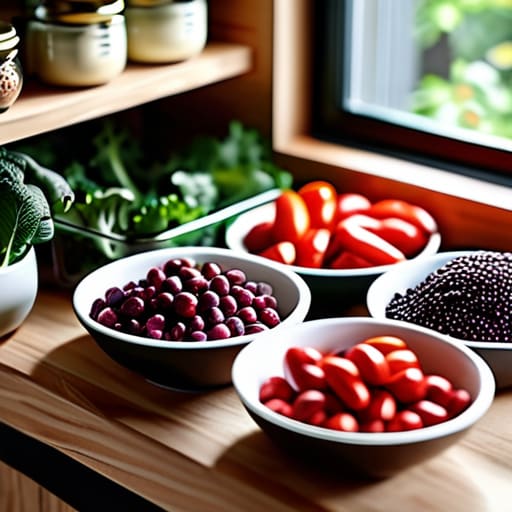
At the end of the day, keeping your food fresh isn’t about following some complicated culinary law; it’s about being intentional with what you buy. We’ve covered a lot of ground, from mastering your fridge layout to understanding the actual science behind why things rot. Whether it’s sealing your leftovers in airtight containers, grouping your produce by ethylene sensitivity, or just making sure your freezer is actually cold enough, these small shifts make a massive difference. When you stop treating your kitchen like a junk drawer and start treating it like a curated pantry, you’ll notice your groceries actually last through the week instead of ending up in the trash.
It might feel like a chore at first, but once you get into the rhythm of proper storage, it becomes second nature. You aren’t just saving a few bucks on your grocery bill—though that’s a huge win—you’re actually respecting the resources that went into producing your food. There is a certain kind of peace that comes with opening a fridge and seeing organized, vibrant ingredients instead of a science experiment in a plastic bag. So, take a look in your crisper drawer today, make a few tweaks, and start eating better by simply storing smarter.
Frequently Asked Questions
How can I tell if something is actually spoiled versus just looking a little weird?
Look, I get it—you don’t want to toss a perfectly good steak just because it looks a little dull. But here’s the rule of thumb: trust your senses, not just your eyes. If it smells funky, feels slimy, or has visible fuzz, toss it. Period. If it’s just a slight color change on a piece of fruit, it’s probably fine, but once that “weird” texture turns slippery? That’s your signal to bail.
Is it really worth the extra effort to freeze everything, or is that overkill?
Look, I get it—the idea of bagging and labeling every single thing feels like a part-time job you didn’t sign up for. But here’s the truth: if you’re buying in bulk or hate seeing money rot in your crisper drawer, it’s absolutely worth it. You don’t have to freeze everything, but hitting the freezer with leftovers or bread before they turn into science experiments is a total game-changer for your wallet.
What are the best ways to keep produce from turning into mush in the crisper drawer?
The biggest mistake? Treating the crisper drawer like a junk drawer. First, separate your fruits from your veggies; many fruits release ethylene gas that acts like a ripening accelerator, turning your greens into sludge. Second, stop washing everything immediately. Moisture is the enemy. Keep your produce dry, maybe wrap leafy greens in a paper towel to soak up excess humidity, and only wash them right before you’re actually ready to eat.