How to Cook Fish Without the Fear (or the Smell)
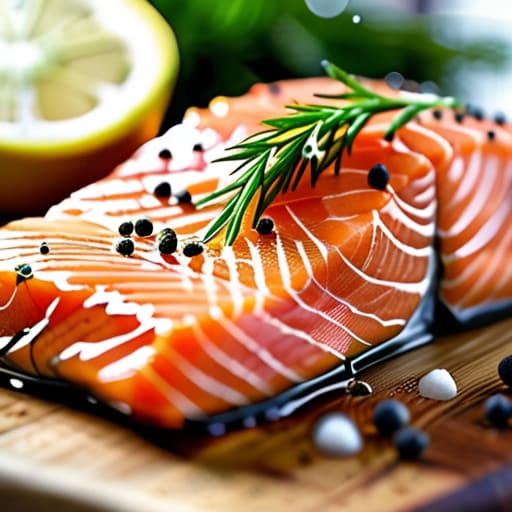
I still remember the first time I tried to impress a date with a pan-seared salmon; I ended up serving something that had the texture of a discarded kitchen sponge. I stood there, staring at a grey, flavorless mess, wondering why every single recipe online promised “restaurant-quality results” but delivered nothing but disappointment. Most people think learning how to cook fish requires some expensive, specialized equipment or a culinary degree, but that’s just a load of nonsense. The truth is, most of the “expert” advice out there is way too complicated, making a simple meal feel like a high-stakes science experiment.
I’m not here to give you a lecture or a list of overly fancy techniques that you’ll never use. Instead, I’m going to show you the real-world shortcuts and the small, crucial adjustments that actually make a difference in your kitchen. We’re going to strip away the fluff and focus on the honest, experience-based methods that ensure your seafood is flaky, juicy, and actually delicious every single time. Let’s get into it.
Table of Contents
- Choosing Your Weapon Best Fish for Beginners and Fresh vs Frozen Fish Tips
- The Flavor Blueprint How to Season Seafood Like a Pro
- Stop Guessing and Start Searing: 5 Rules for Perfect Fish Every Time
- The Cheat Sheet for Perfect Fish
- The Golden Rule of the Pan
- Master the Pan, Not the Recipe
- Frequently Asked Questions
Choosing Your Weapon Best Fish for Beginners and Fresh vs Frozen Fish Tips
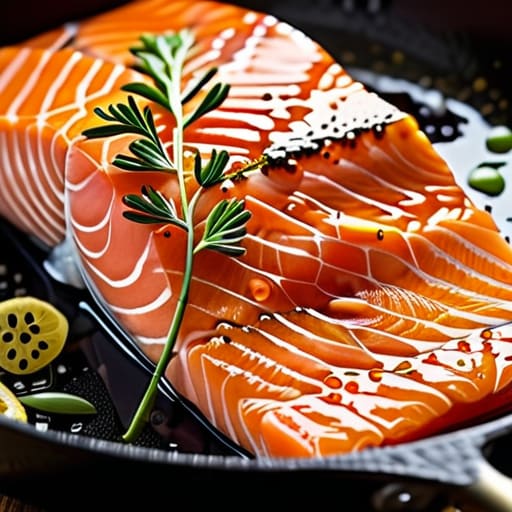
Look, don’t walk into the seafood aisle feeling like you’re playing a high-stakes game of roulette. If you’re just starting out, you want something forgiving—fish that won’t disintegrate the second it touches a hot skillet. I always tell people that salmon or cod are the absolute best fish for beginners because they have enough structure to handle a little heat without turning into a mushy mess. If you’re feeling brave, sea bass is incredible, but stick to the basics until you find your rhythm.
Now, let’s settle the great debate: fresh or frozen? Honestly, don’t let the “freshness” myth intimidate you. While a beautiful fillet from the counter looks tempting, high-quality frozen fish is often flash-frozen at sea, locking in nutrients and flavor better than something that’s been sitting in a display case for three days. My favorite fresh vs frozen fish tips? If you go the frozen route, thaw it slowly in the fridge overnight. Never rush it with warm water, or you’ll end up with a texture that’s more rubbery than delicious.
The Flavor Blueprint How to Season Seafood Like a Pro
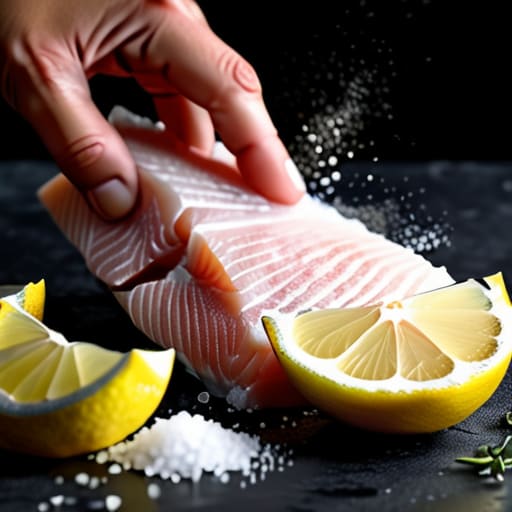
Look, the biggest mistake people make is treating fish like a blank canvas that needs a heavy blanket of sauce to be edible. If you’re working with high-quality fillets, you don’t want to drown them in heavy creams or thick batters right out of the gate. The secret to learning how to season seafood is understanding the balance between salt, acid, and fat. Start with a generous dusting of kosher salt and cracked black pepper—don’t be timid here. Salt is what draws out that natural sweetness in the flesh. If you’re using something milder, like cod or tilapia, a little lemon zest or a pinch of smoked paprika can go a long way in building depth without masking the delicate flavor.
Once you’ve got your spices ready, timing is everything. You want your seasoning to penetrate the surface just before the heat hits. I always recommend patting your fillets bone-dry with a paper towel first; moisture is the enemy of a good sear. If the surface is wet, your spices will turn into a soggy paste rather than a delicious crust. Aim for that perfectly golden-brown finish by letting the seasoning sit on the dry skin for just a minute before it goes into the pan.
Stop Guessing and Start Searing: 5 Rules for Perfect Fish Every Time
- Pat that fish bone-dry. If you leave moisture on the skin or the flesh, you aren’t searing it—you’re steaming it. Use paper towels to get it as dry as possible before it even touches the oil.
- Respect the heat. Get your pan hot before the fish goes in, but once it hits the surface, leave it alone. If you start poking and prodding it immediately, you’ll tear the delicate flesh and lose that crispy crust you’re working for.
- Learn the “flake test.” Don’t rely solely on a timer, because every stove and every fillet is different. Take a fork and gently press the thickest part of the fish; if it flakes easily along the natural lines, it’s done.
- Don’t crowd the pan. If you jam four fillets into a small skillet, the temperature will plummet and you’ll end up with a gray, soggy mess. Give each piece some breathing room so the moisture can evaporate.
- Use the right fat. Don’t reach for extra virgin olive oil if you’re searing at high heat—it’ll smoke and turn bitter. Stick to avocado oil, grapeseed, or even clarified butter to handle the temperature without breaking a sweat.
The Cheat Sheet for Perfect Fish
Don’t overthink the selection—start with forgiving, oily fish like salmon if you’re nervous, and never be afraid to use high-quality frozen fillets if they haven’t been sitting in your freezer for a month.
Seasoning is your best friend, but timing is everything; get that salt and pepper on the fish well before it touches the heat to ensure the flavor actually penetrates the flesh.
Stop treating fish like a steak; it cooks incredibly fast and carries a huge risk of turning into rubber, so prioritize quick heat and pull it off the stove the second it looks opaque.
The Golden Rule of the Pan
“Stop treating fish like a piece of chicken; it’s not looking for a long, slow battle to get tender—it’s looking for a quick, intense flirtation with high heat before it slips right through your fingers.”
Writer
Master the Pan, Not the Recipe
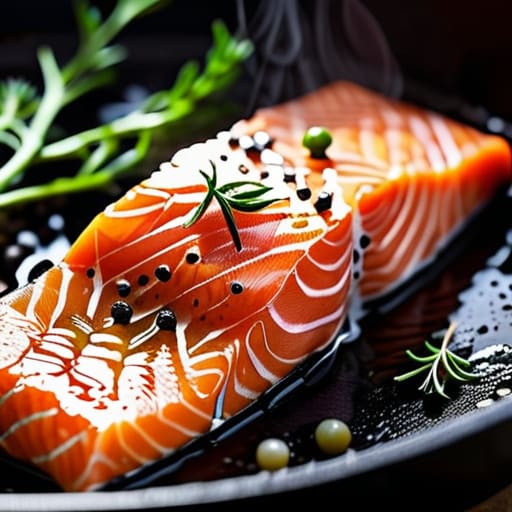
At the end of the day, cooking great fish isn’t about following a rigid set of instructions; it’s about understanding the fundamentals. You’ve learned how to pick the right species, whether you’re grabbing something fresh from the counter or a reliable frozen fillet. You know that seasoning isn’t just an afterthought—it’s the foundation of every bite. Once you stop overthinking the technicalities and start focusing on heat control and bold flavors, you’ll realize that seafood is one of the most forgiving and rewarding proteins to work with in your kitchen.
Don’t let the fear of overcooking a fillet keep you stuck in a rut of chicken and pasta. Every time you step up to the stove, you’re building that intuitive connection with your ingredients. You might mess up a piece of salmon here or there, but that’s just part of the process. The goal isn’t perfection; it’s about that moment when you take a bite of flaky, perfectly seasoned fish and realize you actually made that yourself. So, grab your pan, turn up the heat, and start cooking.
Frequently Asked Questions
How do I actually tell if the fish is done without overcooking it into mush?
Stop guessing and start looking. The easiest way to tell if your fish is done is by the “flake test”—take a fork and gently press the thickest part. If it separates easily into distinct flakes, it’s ready. If it feels rubbery or sticks to the fork, give it another minute. If you want to be scientific, use an instant-read thermometer; aim for 145°F (63°C) for most fillets to hit that perfect, juicy sweet spot.
Is it better to pan-fry, bake, or grill depending on the type of fish I bought?
It really comes down to the texture of the fish in your hands. If you’ve got a delicate, flaky fillet like cod or tilapia, stick to the oven—baking is much more forgiving. For something with more “meat” and structure, like salmon or tuna, pan-frying gives you that gorgeous, crispy skin everyone craves. Save the grill for the heavy hitters like swordfish or mahi-mahi; they can actually stand up to those intense flames without falling apart.
What’s the best way to get that crispy skin without it sticking to the pan?
The secret is all in the prep and the heat. First, pat that skin bone-dry with paper towels—moisture is the enemy of crunch. Next, get your pan hot with a high-smoke-point oil before the fish even touches it. Once it’s in, press it down firmly with a spatula for the first 30 seconds to prevent curling. Most importantly? Leave it alone. If it’s sticking, it’s not ready to flip yet.