Budget-friendly Meals That Don’t Taste Cheap
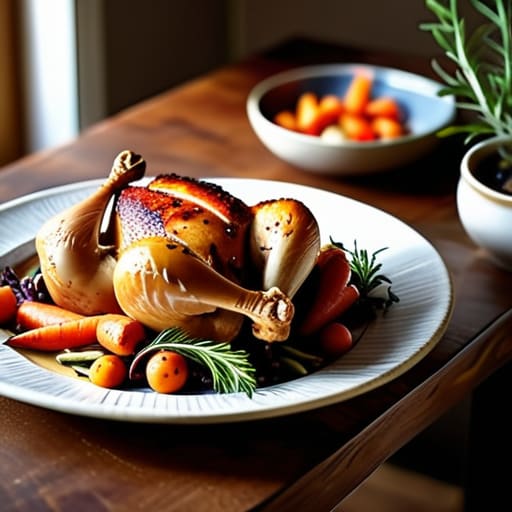
I’m so sick of seeing those “budget” meal plans online that require you to buy twenty different exotic spices and a specialized kitchen gadget just to make a single soup. Honestly, if a recipe calls for ingredients that cost more than the actual meal, it isn’t a hack—it’s a scam. We’ve been sold this lie that eating well on a dime means settling for bland, uninspired mush, but that is absolute nonsense. Real budget friendly meals shouldn’t feel like a punishment or a math exam; they should taste like something you actually want to eat.
I’m not here to give you a list of overpriced “superfoods” or complicated meal prep routines that take up your entire Sunday. Instead, I’m sharing the exact, no-frills strategies I’ve used to keep my kitchen running without draining my bank account. You’re going to get straightforward, delicious ideas that rely on pantry staples and smart shopping, not miracle ingredients. We’re going to focus on flavor, satiety, and most importantly, saving your hard-earned cash without ever feeling like you’re missing out.
Table of Contents
Low Cost Grocery Shopping Tips for the Savvy Eater
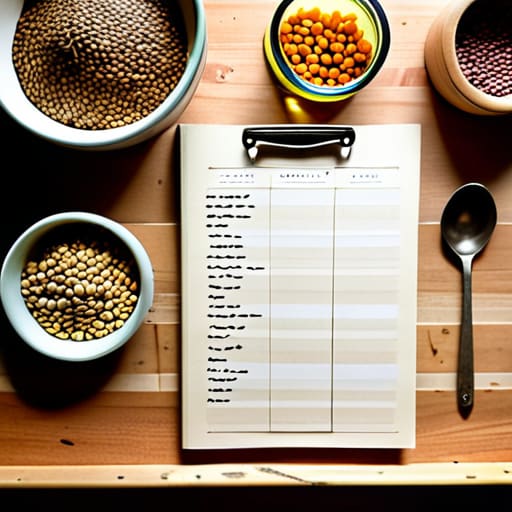
Before you even step foot in the store, you have to win the mental game. The biggest mistake I see people make is wandering the aisles with no plan, which is basically an invitation for impulse buys to wreck your budget. Instead, try to embrace economical meal planning by auditing what you already have in your kitchen. If you’ve got half a bag of lentils and some dried pasta hiding in the back of the cupboard, build your list around those. Shopping with a strict inventory in mind ensures you aren’t buying duplicates of things you already own.
Once you’re actually in the aisles, stop looking at the flashy, branded packaging at eye level. The real deals are usually tucked away on the bottom shelves. I’ve found that focusing on cheap protein sources—think eggs, canned tuna, or dried beans—is the fastest way to keep your per-meal cost down without feeling like you’re starving. Also, don’t sleep on the frozen section; frozen veggies are just as nutritious as fresh ones, but they won’t rot in your crisper drawer if you forget about them for a week.
Economical Meal Planning to End Food Waste
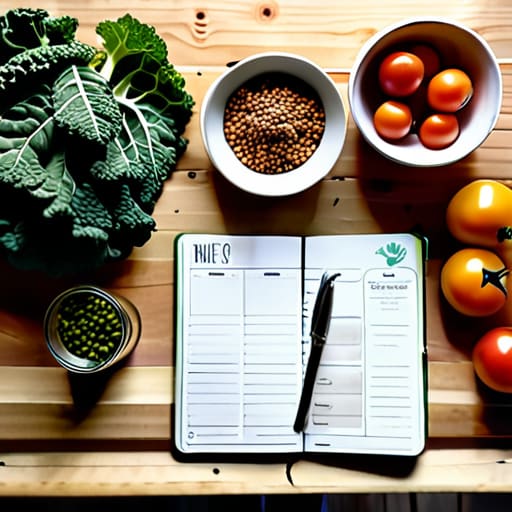
If you’ve ever stared into a fridge full of wilted spinach and half-used jars of sauce, you know that food waste is basically just throwing money directly into the trash. To stop this cycle, you have to move away from impulsive shopping and embrace economical meal planning. Instead of deciding what to eat when you’re already hungry, try sitting down once a week to map out your meals based on what you already have. It sounds tedious, but it’s the secret to eating well on a tight budget without the constant stress of “what’s for dinner?”
The real magic happens when you start building your menu around pantry staple recipes. Think about that bag of lentils, the box of pasta, or the canned beans tucked in the back of your cupboard. These items are the backbone of any smart kitchen. By centering your weekly plan on these versatile ingredients, you minimize the need for last-minute, expensive runs to the store. Once you master the art of looking at your inventory before your shopping list, you’ll find that you aren’t just saving money—you’re actually getting much more creative in the kitchen.
Kitchen Hacks to Keep Your Wallet Full
- Embrace the power of the pantry; those cans of beans and bags of rice aren’t just filler, they are the foundation of a cheap, filling meal.
- Don’t sleep on frozen veggies—they’re often cheaper than fresh, won’t rot in your crisper drawer, and are just as nutritious.
- Master the art of the “one-pot wonder” to save money on ingredients and even more on your electricity bill.
- Swap out expensive meat for plant-based proteins like lentils or chickpeas a few times a week to see a massive difference in your weekly total.
- Shop your own kitchen first before hitting the store; you’d be surprised how many meals are hiding in the back of your cupboard already.
The Bottom Line: How to Eat Well Without Going Broke
Stop treating grocery shopping like a scavenger hunt; shop with a plan and stick to the basics to keep your receipts short and your pantry full.
Master the art of the “repurposed meal” by turning tonight’s leftovers into tomorrow’s lunch, ensuring nothing expensive goes to waste.
Remember that flavor doesn’t require a high price tag—focus on versatile, low-cost staples and clever spices rather than expensive pre-packaged convenience foods.
## The Golden Rule of Cheap Eats
“Eating well on a budget isn’t about deprivation or living on instant noodles; it’s about mastering the art of making simple, honest ingredients do the heavy lifting.”
Writer
Making It Work for You
At the end of the day, eating well on a budget isn’t about deprivation; it’s about being intentional with what you bring into your kitchen. We’ve covered a lot of ground, from mastering the art of the grocery run to building a meal plan that actually respects your time and your wallet. By focusing on smart shopping habits and cutting down on that mindless food waste, you aren’t just saving pennies—you are taking control of your finances one delicious meal at a time. It might feel like a lot to juggle initially, but once these habits click, you’ll find that the stress of the weekly grocery bill starts to fade into the background.
Don’t feel like you have to overhaul your entire life by Monday morning. Start small: maybe it’s just one extra pantry staple or a single dedicated night for leftovers. The goal isn’t perfection; it’s progress. Cooking shouldn’t feel like a chore or a financial burden, but rather a way to nourish yourself and your family without the constant guilt of overspending. You have all the tools you need right in front of you to turn your kitchen into a powerhouse of flavor and savings. Now, go grab those ingredients and start cooking something amazing.
Frequently Asked Questions
How can I still eat healthy and get enough protein if I'm sticking to a strict budget?
The biggest myth out there is that protein has to come from an expensive steak. Honestly, some of the best muscle fuel is dirt cheap. Lean into plant-based heavy hitters like lentils, chickpeas, and black beans—they’re incredibly filling and cost pennies per serving. If you do want meat, stick to eggs, canned tuna, or buying chicken thighs in bulk. It’s all about swapping those pricey cuts for smarter, nutrient-dense staples.
Are there specific frozen or canned foods that are actually as nutritious as fresh ones?
Honestly, don’t let the “fresh is best” myth guilt you into overspending. Frozen veggies are often flash-frozen right at the peak of ripeness, locking in nutrients that might actually degrade while sitting in your fridge for a week. The same goes for canned beans and tuna—they’re nutritional powerhouses. Just keep an eye on the labels for added sodium or sugar, and you’re golden. They’re cheap, convenient, and just as healthy.
How do I balance cooking from scratch with a busy work schedule without spending a fortune on convenience food?
The secret is “component cooking.” Instead of making elaborate, time-consuming recipes every night, spend one Sunday afternoon prepping versatile building blocks—like a big batch of roasted veggies, a pot of grains, and some seasoned protein. During the week, you aren’t “cooking from scratch”; you’re just assembling. It’s way faster than hitting the drive-thru, costs a fraction of the price, and keeps you from reaching for those overpriced frozen dinners when you’re exhausted.