How to Meal Plan and Stop Wondering What’s for Dinner
I’m going to say something that might make the “wellness influencers” cringe: most of the advice you see online about how to meal plan is absolute, expensive nonsense. You don’t need a color-coded acrylic bin system, a $500 subscription to a recipe app, or enough Tupperware to supply a small army just to get through the week. I spent years thinking I had to spend my entire Sunday afternoon prepping artisanal grain bowls just to stay “on track,” and honestly? It was a complete waste of time that left me exhausted before Monday even hit.
Here is the deal: I’m not here to sell you a lifestyle overhaul or a complicated spreadsheet. I’m going to show you how to build a system that actually works for a real, messy, unpredictable life. We’re going to focus on low-effort, high-reward strategies that save you money and sanity without turning your kitchen into a laboratory. No fluff, no gatekeeping, and definitely no unnecessary stress—just the honest, battle-tested methods I use to keep my head above water.
Table of Contents
Mastering Meal Prep for Beginners Without the Stress
Look, I get it. The idea of spending your entire Sunday afternoon hovering over a steaming pot of quinoa feels more like a chore than a “lifestyle hack.” But here’s the secret: you don’t need to become a gourmet chef overnight. The goal of meal prep for beginners isn’t to create fifteen identical Tupperware containers filled with bland chicken and broccoli. It’s about building a foundation so you aren’t making impulsive, expensive decisions when you’re tired on a Tuesday night.
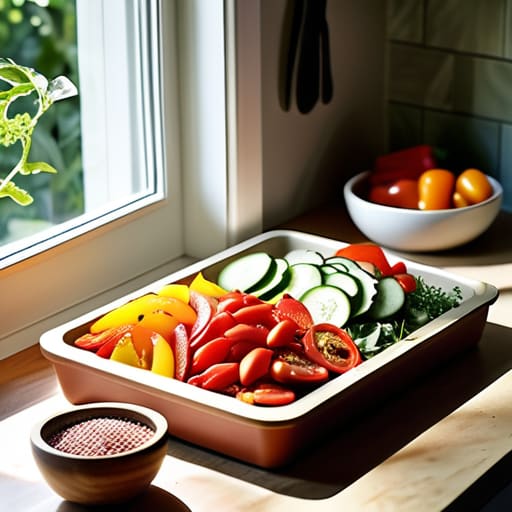
Start small by focusing on batch cooking strategies that actually serve your life. Instead of prepping full meals, try prepping components. Roast a massive tray of seasonal veggies, cook a big pot of grains, and grill a few proteins. When you have these building blocks ready to go, assembling a fresh, delicious bowl takes five minutes rather than forty. This approach keeps things from feeling repetitive while still giving you those much-needed time saving kitchen hacks that prevent the dreaded takeout siren call. Keep it simple, keep it flexible, and don’t aim for perfection on your first try.
Healthy Weekly Menu Ideas That Actually Taste Good
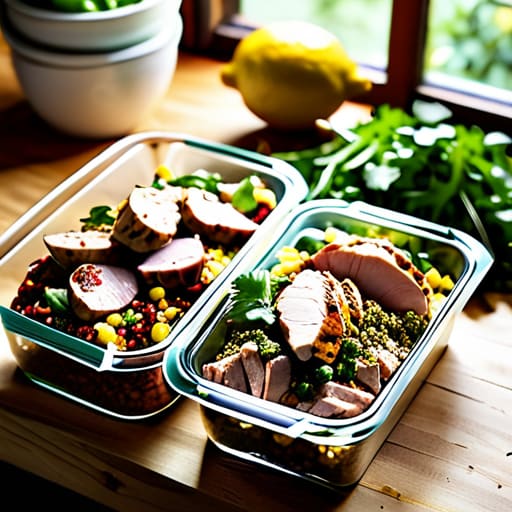
Let’s be real: nobody wants to spend their entire Sunday eating unseasoned, soggy chicken and steamed broccoli. If your menu is just a repetitive cycle of bland protein and greens, you’re going to abandon your goals by Wednesday. The secret to finding healthy weekly menu ideas that actually satisfy a craving is focusing on “flavor profiles.” Instead of just prepping “chicken,” prep Mediterranean-style chicken with lemon, oregano, and feta, or a spicy Thai-inspired turkey mince. When you build your meals around distinct seasonings, you can use the same base ingredients across different dishes without feeling like you’re eating the exact same thing every single day.
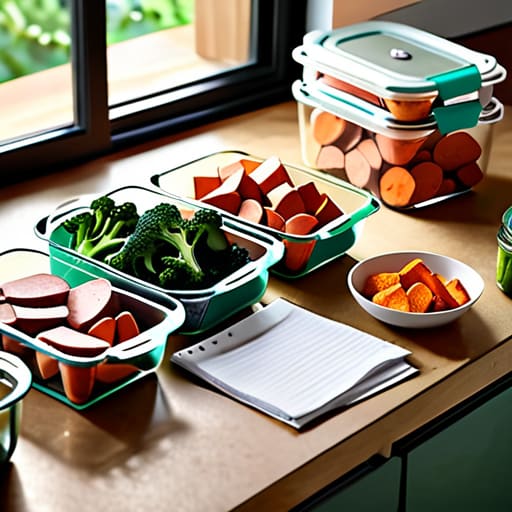
Another massive win is leaning into batch cooking strategies that allow for modularity. Think about making a giant pot of roasted sweet potatoes, a large tray of seasoned black beans, and a big batch of quinoa. Instead of pre-assembling rigid containers, keep these components separate. This gives you the freedom to pivot; Monday can be a hearty grain bowl, while Tuesday transforms those same ingredients into a quick, flavorful taco salad. This flexibility is the ultimate way to keep your palate excited while staying on track.
5 Ways to Stop the Meal Planning Madness Before It Starts
- Audit your pantry before you even touch a grocery list. There is nothing more soul-crushing than buying a third jar of cumin just because you couldn’t find the first two hiding in the back of the cupboard. See what you actually have, then build your meals around those staples.
- Stop trying to be a gourmet chef on a Tuesday. If you try to cook a complex, three-course meal every single night, you’re going to burn out by Thursday and end up ordering pizza. Stick to “theme nights”—like Taco Tuesday or Pasta Night—to keep the decision fatigue at bay.
- Shop with a battle plan. A grocery list isn’t a suggestion; it’s your lifeline. If it’s not on the list, it’s not going in the cart. This prevents those expensive, impulsive “oh, that looks good” purchases that just end up rotting in your crisper drawer.
- Embrace the “Cook Once, Eat Twice” rule. You don’t need to spend your entire Sunday hovering over a stove. If you’re roasting chicken for dinner on Monday, roast two extra breasts to toss into a salad or a wrap for lunch on Tuesday. Work smarter, not harder.
- Leave some breathing room in your schedule. Life happens. Someone will get a late meeting, or you’ll just be too exhausted to even reheat something. Always keep a few “emergency meals” on hand—think frozen dumplings or a jar of good marinara—for those nights when the plan falls apart.
The Bottom Line: Making It Stick
Stop trying to be a gourmet chef on Sunday; start with one or two easy wins so you don’t burn out by Tuesday.
Keep your pantry stocked with “emergency” staples like frozen veggies and quick grains to prevent the inevitable takeout temptation.
Flexibility is your best friend—if a meal plan falls apart because life happens, just pivot instead of throwing the whole week away.
## The Real Secret to Not Quitting
“Meal planning isn’t about becoming a gourmet chef or spending your entire Sunday in a kitchen trance; it’s just about making sure ‘future you’ isn’t starving and scrolling through delivery apps at 8:00 PM on a Tuesday.”
Writer
The Bottom Line
Look, meal planning isn’t about achieving some impossible level of culinary perfection or spending your entire Sunday hovering over a stove. It’s really just about building a system that works for your actual, messy life. We’ve covered how to tackle prep without the burnout, how to pick recipes that don’t taste like cardboard, and how to keep things simple enough to actually stick to. If you can master even just a few of these small habits—like keeping a consistent grocery list or prepping one single protein ahead of time—you’re already miles ahead of where you were last week. The goal isn’t to be a pro chef; it’s to stop the decision fatigue that leaves you reaching for takeout every single night.
At the end of the day, give yourself some grace. Some weeks you’ll have your Tupperware containers color-coded and ready to go, and other weeks you’ll probably end up eating cereal for dinner because life happened. That is perfectly fine. The magic happens in the consistency, not the perfection. Don’t let one “off” night derail your progress; just reset and start again next Monday. You’ve got the tools, you’ve got the ideas, and most importantly, you’ve got the power to take control of your kitchen on your own terms. Now, go grab a pen and start that first list.
Frequently Asked Questions
How do I meal plan for a family with picky eaters without making five different meals?
The secret is “deconstructed dining.” Stop trying to cook one cohesive masterpiece and start serving components. Instead of a complex casserole where everything is mixed, serve taco night with bowls of meat, cheese, beans, and veggies on the side. This way, the picky eater can stick to plain protein and rice, while you load up on the spicy salsa and greens. It’s the same ingredients, zero extra pans, and way less arguing at the table.
Is it actually cheaper to meal plan, or am I just spending more on groceries upfront?
Look, I get it. You look at that massive grocery receipt and think, “Wait, am I actually saving money or just paying for a week’s worth of food all at once?”
How do I keep prepped food from getting soggy or gross by Thursday?
The “Thursday Slump” is real, and it usually happens because of moisture. Stop mixing everything in one big bowl on Sunday. Keep your dressings, sauces, and “wet” ingredients in separate tiny containers. Also, layer your salads like a jar: heavy stuff on the bottom, greens on the very top. If you’re prepping grains or proteins, let them cool completely before sealing the lids, otherwise, that trapped steam turns everything into a soggy mess.