How to Make a Stir-fry With Whatever You Have
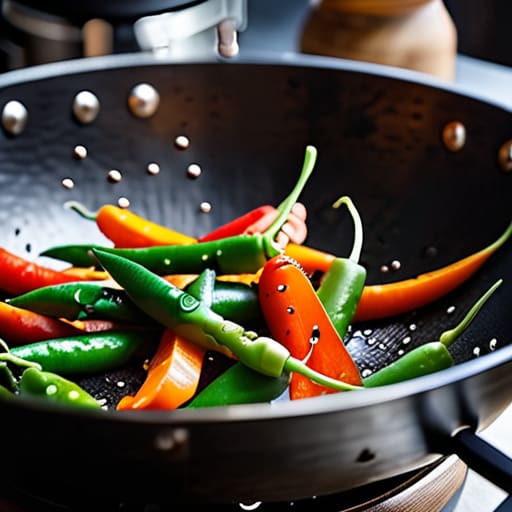
Stop wasting your money on those overpriced, pre-packaged meal kits that promise “authentic” flavors but deliver nothing but soggy broccoli and sad, limp noodles. Honestly, most of the advice you find online about how to make a stir fry is way too complicated, involving twenty different obscure spices you’ll never use again just to make a simple weeknight dinner feel like a chore. I’ve spent years in my own kitchen fighting through the smoke and the mess, learning the hard way that you don’t need a professional wok or a culinary degree to get that restaurant-quality sear at home.
I’m not here to give you a lecture or a list of impossible-to-find ingredients. Instead, I’m going to show you the real, gritty way to master the heat and the timing so you can whip up a killer meal in under twenty minutes. This is about practical, high-heat cooking that actually tastes good and doesn’t leave you with a sink full of dishes. We’re stripping away the fluff and focusing on the essential techniques that turn a pile of random veggies into something truly spectacular.
Table of Contents
Essential Protein for Stir Fry and High Heat Cooking Methods
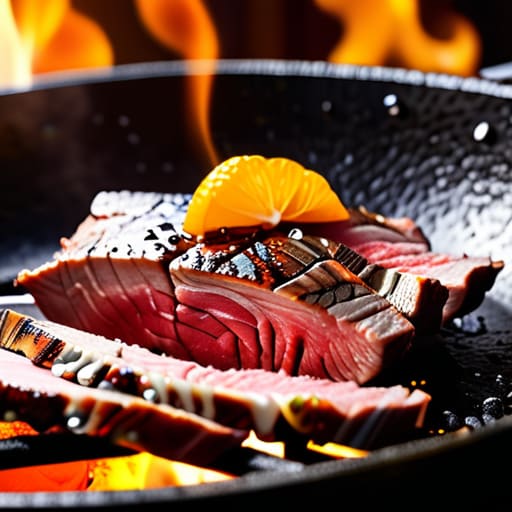
When you’re throwing things into a scorching hot pan, your choice of protein dictates whether you end up with a tender masterpiece or a rubbery mess. For the best results, you want something that cooks rapidly. Thinly sliced flank steak, bite-sized chicken thighs, or even quick-cooking shrimp are the gold standards for protein for stir fry setups. The secret is in the cut; always slice your meat against the grain. This ensures that even when using intense high heat cooking methods, the texture stays succulent rather than turning into chewy leather.
If you’re aiming for those ultra-fast, quick weeknight meals, don’t overlook plant-based options like extra-firm tofu or edamame. Just make sure to press the moisture out of your tofu first; otherwise, it’ll steam instead of searing. Regardless of what you choose, the goal is to achieve that elusive “sear” before the protein overcooks. Getting that initial crust is what builds the foundation of flavor before you eventually toss in your aromatics and liquids.
The Secret Science of Vegetable Stir Fry Preparation
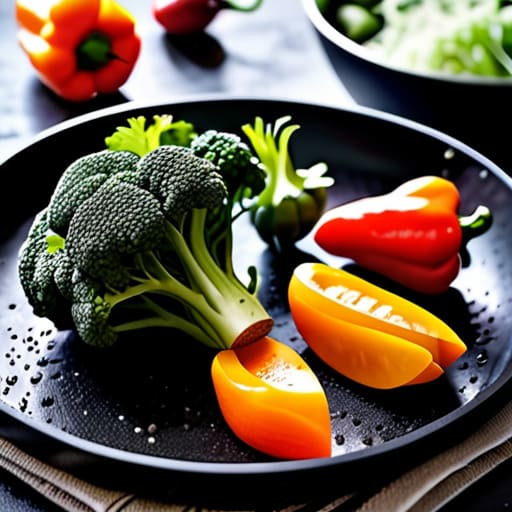
If you want to avoid that sad, soggy mess that often plagues homemade stir fry, you have to master the art of the prep. The real secret to successful vegetable stir fry preparation isn’t just about the heat; it’s about moisture control. You need to dry your veggies thoroughly after washing them. If they’re dripping wet when they hit the oil, they’ll steam instead of sear, and you’ll lose that essential texture. Aim for a variety of shapes and sizes—think thin slices of bell pepper paired with crunchy broccoli florets—to ensure everything hits that perfect level of doneness at the same time.
Timing is everything when you’re working with high-speed heat. I always recommend grouping your vegetables by density. Start with the “hard” stuff like carrots or cauliflower, and save the leafy greens or delicate snap peas for the final thirty seconds. This approach is a lifesaver for quick weeknight meals because it keeps the process organized and prevents your kitchen from turning into a chaotic battlefield. Just remember: prep everything before the flame goes on, or you’ll be playing a losing game of catch-up.
5 Pro Moves to Level Up Your Wok Game
- Prep everything before you turn on the heat. Stir fry moves lightning-fast, and if you’re stuck chopping garlic while your beef is searing, you’re going to burn your dinner.
- Don’t crowd the pan. If you dump too much in at once, the temperature drops, the moisture builds up, and you end up steaming your food instead of getting that crispy sear.
- Master the sauce balance. You want a hit of salty, a touch of sweet, and a little kick of acid. Mix your liquid ingredients in a small bowl beforehand so you can pour it in all at once.
- Use a high-smoke point oil. Forget extra virgin olive oil; you need something that can handle the heat without smoking out your entire kitchen. Avocado or peanut oil are your best friends here.
- Finish with a fresh pop. A splash of toasted sesame oil or a handful of sliced green onions at the very end makes the flavors sing and gives it that restaurant-quality aroma.
Quick Wins for Your Next Stir Fry
Prep everything before you turn on the heat—once that pan gets hot, there’s no turning back.
Match your protein to your heat level so you get juicy meat instead of rubbery chunks.
Keep your veggies bite-sized and uniform to ensure they get that perfect, snappy crunch every time.
The Soul of the Wok
“A great stir fry isn’t about following a recipe; it’s about managing the chaos. It’s that split second where the heat, the oil, and the ingredients collide to create a texture you just can’t replicate anywhere else.”
Writer
Master the Sizzle
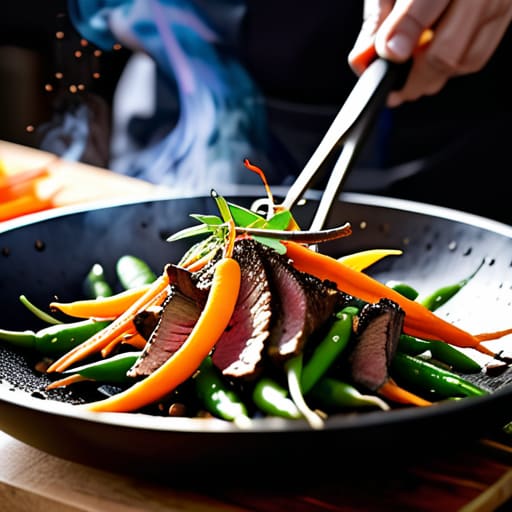
At the end of the day, a killer stir fry isn’t about following a rigid recipe—it’s about understanding the rhythm of the wok. You’ve learned that prep is half the battle; if your veggies aren’t sliced thin and your proteins are ready to hit the heat, you’ll be playing catch-up while your garlic burns. Remember that high heat is your best friend for getting that perfectly charred texture, and the key is to keep everything moving. Once you nail the balance between your protein, your aromatics, and that quick-cooking vegetable crunch, you’ve basically cracked the code to restaurant-quality takeout right in your own kitchen.
Don’t be afraid to mess around with the sauce or swap out ingredients based on whatever is actually sitting in your crisper drawer. The beauty of stir frying is that it’s incredibly forgiving once you understand the fundamentals of heat and timing. Stop worrying about being perfect and just get that pan screaming hot. There is something deeply satisfying about the sound of a heavy wok hitting the burner and the smell of ginger hitting hot oil. Now, grab your spatula, turn up the flame, and start cooking.
Frequently Asked Questions
Do I really need a wok, or can I just use a regular frying pan?
Look, if you’re staring at your kitchen cabinets wondering if you need to drop $100 on a carbon steel wok, take a breath. You don’t. A large, heavy-bottomed skillet or a cast-iron pan works just fine. The trick is to avoid overcrowding; if you pile too much in a flat pan, the temperature drops and you end up steaming your food instead of searing it. Just work in batches.
How do I stop my stir fry from turning into a watery, soggy mess?
The “watery mess” happens because you’re essentially steaming your food instead of frying it. First, dry those veggies! If they’re damp from washing, they’ll release steam the second they hit the pan. Second, don’t crowd the wok. If you dump too much in at once, the temperature plummets, the juices leak out, and you’re stuck in a soup. Cook in small batches, keep that heat screaming, and let the moisture evaporate instantly.
Can I prep the sauce ahead of time, or should I make it right before I start cooking?
Definitely prep it ahead of time. In fact, I highly recommend it. Stir-frying moves at lightning speed once that pan gets hot, and the last thing you want to be doing while your garlic is turning bitter is hunting for the soy sauce or whisking cornstarch. Mix your sauce in a small bowl, set it aside, and grab it right before the veggies hit the pan. It’ll save your sanity.