Sneaky Ways to Eat More Vegetables (that Taste Good)
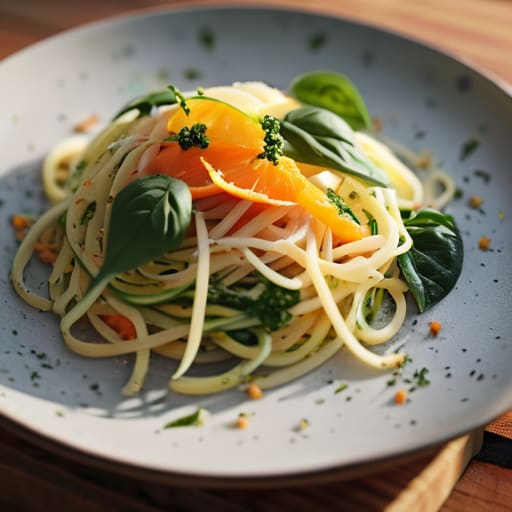
I used to think that “eating healthy” meant spending my entire Sunday meal-prepping massive, sad-looking Tupperware containers filled with nothing but steamed, flavorless broccoli. It was exhausting, expensive, and—let’s be honest—it made me want to throw my spatula across the kitchen. Most of the advice you see online about how to eat more vegetables feels like it was written by someone who actually enjoys the taste of cardboard. They make it sound like a chore or a punishment, rather than something that should actually fit into a real, busy life without requiring a culinary degree.
Look, I’m not here to sell you on some overpriced juice cleanse or a complicated lifestyle overhaul that you’ll abandon by Tuesday. I’ve spent years figuring out how to sneak nutrients into my meals without sacrificing the flavors I actually crave. In this post, I’m going to share the no-nonsense shortcuts and practical habits I’ve actually used to transform my diet. This isn’t about perfection; it’s about small, sustainable wins that make eating your greens feel less like a battle and more like second nature.
Table of Contents
Hidden Ways to Add Veggies to Every Meal
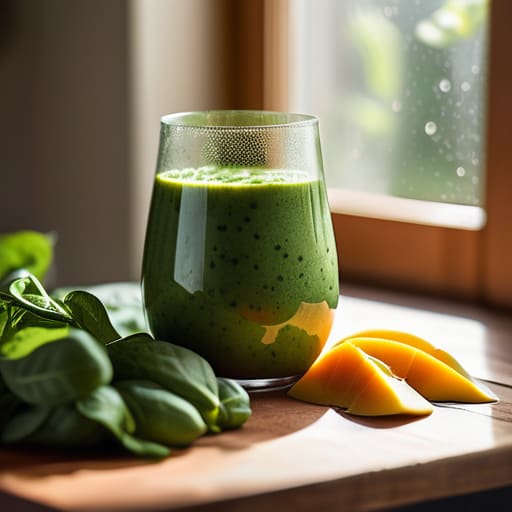
The secret isn’t about sitting down to a giant, intimidating bowl of kale every single day. It’s about the “stealth mode” approach—finding hidden ways to add veggies to things you’re already eating. If you’re a fan of smoothies, throw in a handful of frozen cauliflower or some baby spinach. You honestly won’t even taste it once the fruit hits the blender, but your gut will definitely notice the difference. The same goes for pasta sauce; if you finely grate some zucchini into your marinara, it adds a subtle richness without changing the vibe of your meal.
Breakfast is another massive opportunity that most people totally overlook. Instead of just plain eggs, try folding in some sautéed mushrooms or peppers. If you’re a fan of oatmeal, stirring in some grated carrots (basically making carrot cake for breakfast) is a genius way of increasing fiber intake naturally without feeling like you’re on a restrictive diet. These little tweaks turn standard meals into nutrient-dense powerhouses without requiring a total kitchen overhaul.
Increasing Fiber Intake Naturally Without the Struggle
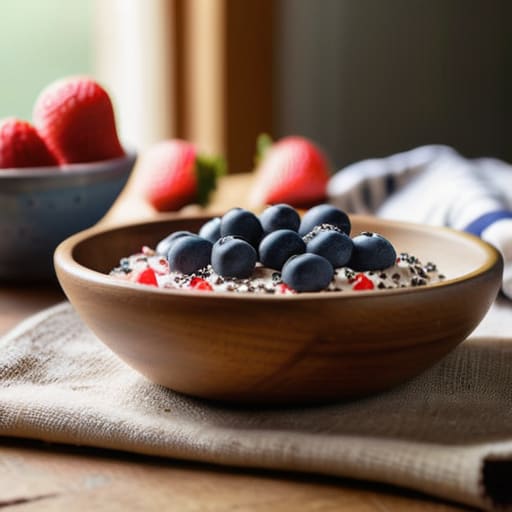
Let’s be real: nobody wakes up excited to eat a bowl of plain, dry bran flakes. If you’re looking into increasing fiber intake naturally, the secret isn’t forcing down bland supplements; it’s about clever swaps that actually taste good. Instead of ditching your morning routine, try stirring some chia seeds into your yogurt or swapping white toast for a hearty sprouted grain option. These tiny tweaks make a massive difference in how full you feel throughout the morning without making breakfast feel like a chore.
The real magic happens when you start looking at your lunch and dinner through a different lens. Rather than viewing fiber as a separate “health goal,” treat it as a way to bulk up your favorite comfort foods. If you’re into vegetable meal prep ideas, try roasting a huge batch of seasoned cauliflower or sweet potatoes on Sunday. You can toss them into grain bowls, salads, or even pasta sauces during the week. It’s much easier to hit your goals when you’re adding texture and flavor to meals you already love, rather than trying to reinvent your entire diet overnight.
Small Tweaks to Make the Habit Stick
- Stop aiming for perfection and just aim for “plus one.” Instead of trying to turn every meal into a salad, just add one handful of spinach to your pasta or one sliced cucumber to your sandwich. It’s low pressure and actually works.
- Master the art of the “emergency veggie.” Keep a bag of frozen peas or corn in the freezer at all times. When you realize your dinner is looking a little sad and carb-heavy, you can toss them in for a quick nutritional boost without any prep work.
- Don’t be afraid to use sauce to your advantage. If you genuinely can’t stand the taste of steamed broccoli, roast it with plenty of garlic and olive oil, or drown it in a bit of pesto. If it tastes good, you’ll actually want to eat it.
- Shop the perimeter of the grocery store first. Most of the fresh, vibrant stuff is on the edges, while the processed, shelf-stable stuff lives in the middle aisles. Making it a rule to grab a colorful veggie before you hit the snack aisle changes your whole cart.
- Prep just enough to make it easy. You don’t need to spend your entire Sunday meal prepping, but spending ten minutes chopping a bell pepper or washing some carrots makes them much more likely to be grabbed for a snack later.
The Bottom Line
Stop aiming for perfection and start focusing on “stealth health”—tossing handfuls of spinach into smoothies or grating zucchini into pasta sauce makes a massive difference without the struggle.
Don’t view vegetables as a side dish to be tackled at the end; make them the foundation of your plate so you aren’t left feeling hungry an hour later.
Small, consistent swaps are much more sustainable than radical diet overhauls, so just focus on adding one extra green to a meal you already love.
## The Mindset Shift
“Stop viewing vegetables as a chore or a side dish you have to ‘get through’ to reach the real food; start treating them like the secret ingredient that actually makes your favorite meals taste better.”
Writer
Making It Stick
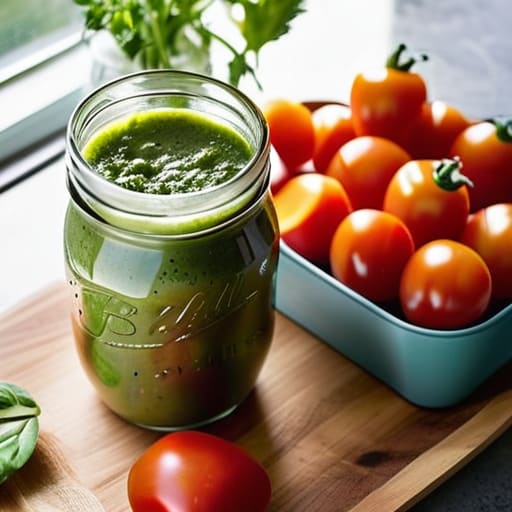
At the end of the day, eating more vegetables isn’t about achieving some impossible level of dietary perfection or forcing yourself to choke down bland, steamed broccoli every single night. It’s really about those small, sneaky wins we talked about—whether that’s blending spinach into a morning smoothie, tossing extra peppers into your pasta sauce, or simply swapping out a processed snack for something with a bit more crunch and fiber. If you can master the art of hiding nutrients in the foods you already love, you’ve already won half the battle. Remember, the goal is to make these additions feel like a natural part of your routine rather than a grueling chore on your to-do list.
Don’t feel like you have to overhaul your entire pantry by tomorrow morning. Start small, listen to what your body actually responds to, and give yourself some grace when you have a day that’s more about comfort food than kale. The most sustainable way to change your health is to focus on consistency over intensity. Every single extra serving of greens is a deposit into your long-term well-being, and those tiny, incremental shifts are exactly what lead to lasting, meaningful change. You’ve got this—just take it one meal at a time.
Frequently Asked Questions
What can I do if I absolutely hate the taste of most vegetables?
Look, I get it. Some veggies just taste like bitter dirt. If you can’t stand them solo, stop trying to eat them plain. The secret is camouflage. Throw a handful of spinach into a fruit smoothie—you won’t even taste it. Finely chop mushrooms or carrots into your pasta sauce, or roast everything with heavy garlic and olive oil to kill that bitterness. If you can’t love the flavor, just hide it.
Are there specific vegetables that are easier to prep when I'm short on time?
Honestly, if you’re racing against the clock, skip the heavy chopping. Lean hard on the “bagged and ready” aisle. Pre-washed baby spinach is a lifesaver because you can just grab a handful and toss it into literally anything. Frozen veggie medleys are also gold—they’re already chopped and won’t go bad in your crisper drawer. Even pre-cut slaw mixes or shredded carrots work wonders for adding crunch without the prep headache.
How do I avoid feeling bloated when I suddenly start eating way more fiber?
The golden rule? Slow your roll. If you go from zero to sixty with fiber overnight, your gut is going to protest. Instead of a massive overhaul, add one extra serving a day and let your digestive system catch up. Most importantly: drink a ton of water. Fiber needs liquid to move through you; without it, you’re just creating a traffic jam in your gut. Ease into it, stay hydrated, and you’ll skip the bloat.