How to Use Credit Cards Without Getting Burned

I’m so sick of seeing those “finance gurus” on YouTube acting like you need a PhD in macroeconomics just to handle a piece of plastic. They’ll drown you in talk about complex revolving credit ratios and obscure arbitrage opportunities, making you feel like a total idiot for just wanting to get your finances in order. But here’s the truth: most of that high-level jargon is just noise designed to make them look smart while you stay confused. If you actually want to learn how to be smarter with credit cards, you don’t need a textbook; you need to stop letting the banks dictate the terms of your life.
I’m not here to sell you on some “secret system” or a complicated spreadsheet that takes three hours a week to maintain. Instead, I’m going to give you the straightforward, battle-tested reality of how this stuff actually works in the real world. We’re going to cut through the marketing fluff and focus on the practical moves that actually put money back in your pocket. Consider this your no-nonsense playbook for turning those plastic cards from a debt trap into a tool that actually works for you.
Table of Contents
Mastering Improving Credit Score Strategies for Real Growth

Most people treat their credit score like a mysterious black box, but it’s actually just a scoreboard for how much banks trust you. If you want to see actual movement, you have to stop focusing on the number and start focusing on the math. The biggest lever you have is your credit utilization ratio explained simply: it’s just the percentage of your available limit that you’re actually using. If you have a $1,000 limit and you’re sitting at a $900 balance, the algorithm thinks you’re desperate for cash, even if you pay it off every month. Aim to keep that number under 30% to keep the score climbing.
Beyond just the math, you need to get aggressive about managing credit card debt before it snowballs. It isn’t just about paying the minimum; it’s about timing your payments to ensure your reported balances stay low. When you master these small, tactical shifts, you aren’t just playing defense—you’re setting yourself up for real, sustainable growth that makes getting approved for your next big loan a breeze.
Avoiding High Interest Rates Before They Drain You
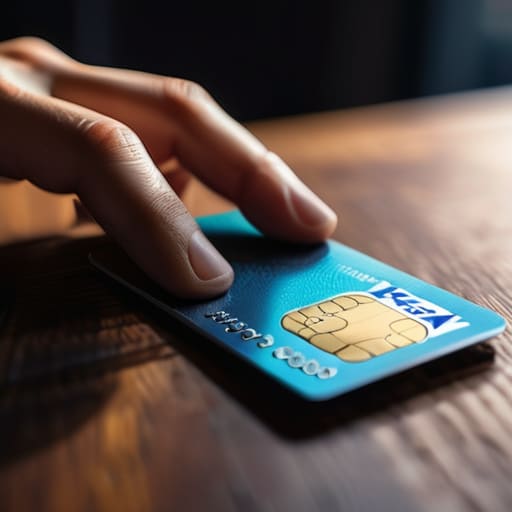
Here is the real kicker: interest rates are designed to keep you trapped in a cycle of perpetual payments. If you’re only paying the minimum balance each month, you aren’t actually making progress; you’re just feeding the beast. The smartest way to handle this is to treat your card like a debit card. If you don’t have the cash in your bank account to cover the purchase right now, don’t swipe. By focusing on responsible credit card usage, you ensure that you never fall into the trap of paying interest on things you’ve already consumed.
Another way to stay ahead is to keep a close eye on your credit utilization ratio explained in earlier sections. When you max out your limits, banks see you as a high-risk borrower, which can lead to even higher rates. Instead, aim to keep your balances low to maintain leverage. When you prioritize managing credit card debt aggressively rather than letting it simmer, you stop being a customer that the bank profits from and start becoming a player who actually controls their own money.
5 Ways to Stop Being a Doormat for Your Bank
- Treat your credit card like a debit card. If you don’t have the actual cash sitting in your bank account right now, don’t swipe the plastic. It sounds simple, but it’s the fastest way to stop the cycle of living on borrowed time.
- Set up autopay for at least the minimum, but aim for the full statement balance every single month. Paying just the minimum is essentially handing the bank a blank check to keep charging you interest forever.
- Stop chasing every single “rewards” program you see. If you’re spending an extra $50 just to get $5 back in points, you aren’t winning—you’re being played. Only use cards that offer value on money you were already going to spend.
- Keep your utilization low, even if you pay it off. If your limit is $1,000, try not to let your balance sit above $300. High balances, even if paid monthly, can make you look “risky” to the credit bureaus.
- Audit your statements like a hawk. Small, recurring subscriptions you forgot about are the silent killers of a budget. If you aren’t using it, kill it immediately.
The Bottom Line: How to Stop Losing
Treat your credit limit like a tool, not a backup fund; keeping your utilization low is the fastest way to trick the system into giving you a better score.
Stop being a donor to the banks by paying your balance in full every single month—interest is a trap designed to keep you playing catch-up forever.
Monitor your statements like a hawk because once you let a small error or a sneaky fee slide, it becomes much harder to claw that money back.
The Golden Rule of Plastic
“A credit card isn’t extra money in your pocket; it’s a high-interest loan you’re pretending is a paycheck. Treat it like a tool, not a lifeline, or it’ll eventually become the thing that breaks you.”
Writer
The Bottom Line

At the end of the day, being smart with credit cards isn’t about being a math genius or living a life of extreme deprivation. It’s about simple, consistent discipline: keeping your utilization low to protect that precious score and staying ahead of those predatory interest rates before they turn a small balance into a mountain of debt. You’ve learned how to stop playing defense and start playing offense. By treating your credit cards as tools rather than lifelines, you move from being a victim of the banking system to being the one who actually dictates the terms of your financial life.
Don’t let the fear of a single mistake keep you from using these tools effectively. Financial freedom isn’t a destination you reach overnight; it’s a series of small, intentional wins that compound over time. Every time you choose to pay your balance in full or strategically manage a new line of credit, you are building a foundation that will support your biggest dreams—whether that’s buying a home or finally traveling the world. Stop letting your bank hold the remote control to your future. Take the wheel, stay disciplined, and start making your money work for you instead of the other way around.
Frequently Asked Questions
How do I know when it's actually worth opening a new card versus just sticking with the ones I have?
Look, don’t just open a card because a shiny new sign-up bonus caught your eye. It’s worth it if you have a specific, high-spend goal—like a big vacation or a home renovation—that lets you hit that bonus threshold without breaking a sweat. If the new card offers a massive category multiplier you actually use, go for it. Otherwise, if you’re just adding plastic for the sake of it, you’re just inviting more fees and clutter.
Is it really okay to carry a small balance if I'm trying to build credit, or is that just a trap?
Here’s the truth: it’s a trap. You don’t need to pay interest to build a score. The “carry a balance” myth is a relic from the days before modern scoring models. Today, all you need is to use the card and pay it off in full every single month. You get the credit utilization boost without handing your hard-earned cash over to the bank in interest payments. Don’t pay for a lesson you can learn for free.
What should I do if I realize I've already fallen into a debt spiral that I can't just "optimize" my way out of?
Look, if you’re already underwater, “optimization” is a fantasy. You can’t polish a sinking ship. You need to stop the bleeding immediately. This means calling your creditors to ask for hardship programs—don’t be shy, they’d rather get something than nothing. If that fails, look into debt consolidation or even professional credit counseling. It’s about triage now, not strategy. It’s going to be a grind, but you have to face the math head-on.