Health Tips for Anyone Stuck at a Desk All Day
Look, if you’ve spent any time scrolling through wellness blogs lately, you’ve probably been bombarded with some ridiculous, expensive nonsense about “biohacking” your way out of a sedentary lifestyle. I’m talking about $1,200 standing desks, ergonomic chairs that look like they belong in a spaceship, and those overpriced blue-light glasses that do absolutely nothing. Honestly, most of these “expert” desk job health tips are just clever ways to empty your wallet while ignoring the actual problem. You don’t need a high-tech laboratory setup to stop feeling like a human pretzel by the time your afternoon coffee hits.
I’ve spent years stuck in the trenches of the corporate grind, so I know exactly how much it sucks to feel physically drained before the workday is even half over. I’m not here to sell you a lifestyle overhaul or a subscription to a meditation app. Instead, I’m going to give you the no-nonsense reality of how to actually stay sane and mobile while working a 9-to-5. We’re going to focus on small, aggressive, and actually doable adjustments that won’t break your budget or your spirit.
Table of Contents
Mastering Your Ergonomic Workstation Setup
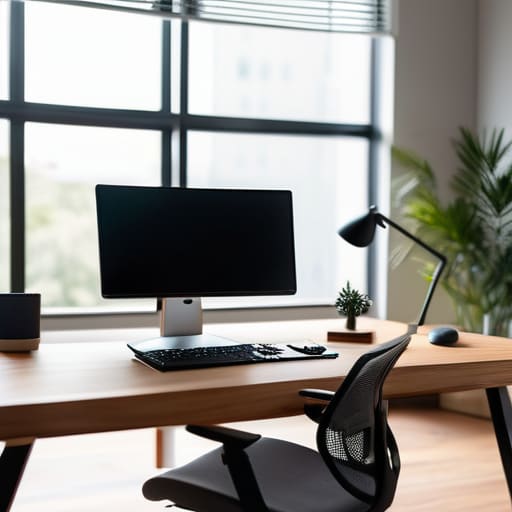
Look, your setup shouldn’t feel like a torture device. Most people default to whatever chair they can find, but if you’re serious about an ergonomic workstation setup, you need to get intentional. Start with your monitor; it should be at eye level so you aren’t constantly craning your neck downward like a gargoyle. If you’re using a laptop on a flat table, you’re basically begging for a tension headache. Grab a riser or even a stack of sturdy books to get that screen up. Your elbows should rest at a 90-degree angle, and your feet actually need to touch the floor—no more dangling or crossing your legs for hours on end.
Once you’ve nailed the physical layout, don’t forget about your eyes. If you find yourself squinting by mid-afternoon, you’re likely suffering from digital fatigue. Incorporate some simple eye strain relief at work by following the 20-20-20 rule: every twenty minutes, look at something twenty feet away for twenty seconds. It sounds small, but it keeps your focus sharp and prevents that heavy, glazed-over feeling that hits right before your commute home.
Preventing Sedentary Lifestyle Diseases Before They Start
Look, we can talk about the perfect chair all day, but if you sit there for eight hours straight without moving, even the most expensive setup won’t save you. The real danger isn’t just a stiff neck; it’s the long-term metabolic slowdown that comes from being a human statue. Preventing sedentary lifestyle diseases isn’t about a massive lifestyle overhaul; it’s about breaking that “stuck” feeling every hour. You need to treat movement like a non-negotiable part of your job description, not something you only do after you clock out.
One of the easiest ways to fight back is by scheduling regular office movement breaks to get your blood pumping again. Even just five minutes of walking to the breakroom or doing a few quick desk stretches for neck pain can reset your system. If your office allows it, look into the standing desk benefits—alternating between sitting and standing keeps your muscles engaged and prevents that heavy, sluggish feeling that hits mid-afternoon. Don’t wait until your body starts screaming at you to finally get up.
The Small Wins That Save Your Sanity (and Your Body)
- Hydrate like it’s your job. Seriously. Keep a massive water bottle on your desk and aim to finish it a few times a day. It forces you to get up for refills and bathroom breaks, which is basically a built-in movement timer.
- Give your eyes a break with the 20-20-20 rule. Every 20 minutes, look at something 20 feet away for at least 20 seconds. It stops that weird, heavy-eyelid feeling you get from staring at a glowing rectangle all day.
- Stop mindless snacking on junk. When you’re bored or stressed, it’s easy to reach for the chips. Swap the processed stuff for nuts or fruit so you don’t end up in a massive sugar crash by 3 PM.
- Learn to breathe properly. It sounds hippy-dippy, but when you’re slammed with emails, you tend to take shallow, stressed breaths. Taking three deep, intentional breaths can actually reset your nervous system.
- Set some hard boundaries with your tech. When the clock hits 5 PM, close the laptop and actually walk away. If you’re constantly checking Slack on your phone while eating dinner, your brain never actually gets to recover.
The Bottom Line: How to Not Suffer for Your Career
Your desk setup isn’t a “set it and forget it” thing; if your neck starts aching, stop ignoring it and fix your monitor height immediately.
Movement is non-negotiable—standing up or even just pacing during a call is the only way to keep your metabolism from hitting a total standstill.
Small, annoying adjustments made daily are way better than dealing with a massive physical breakdown three years from now.
The Hard Truth About the 9-to-5 Grind
“Your job might pay the bills, but if you aren’t actively fighting your desk setup every single day, you’re essentially paying for that paycheck with your spinal health.”
Writer
The Bottom Line
Look, I know it’s easy to just ignore that nagging ache in your neck or tell yourself you’ll start moving once this big project is over. But between tweaking your monitor height to save your eyes and making sure you aren’t turning into a human pretzel by lunchtime, these small shifts actually matter. It’s not about becoming a fitness fanatic overnight; it’s about making small, intentional adjustments to your environment and your habits so that your job doesn’t come at the expense of your physical well-being. If you can master your setup and commit to just a little bit of movement, you’re already miles ahead of the curve.
At the end of the day, your career is a marathon, not a sprint, and you can’t finish the race if you’re sidelined by preventable injuries. Don’t wait for a doctor to tell you that your lifestyle is catching up to you before you decide to take action. Start today—even if it’s just by standing up for five minutes or fixing your chair height. You deserve to feel vibrant and capable long after you’ve clocked out for the evening. Take control of your space, protect your health, and make sure you’re building a life you actually enjoy living.
Frequently Asked Questions
Is a standing desk actually worth the money, or is it just a passing trend?
Look, I’ll be real: a standing desk isn’t a magic cure-all. If you buy one and just stand there frozen like a statue for eight hours, you’re just trading back pain for sore feet and swollen ankles. But if you use it to actually move—switching between sitting and standing every hour—it’s a total game-changer for your energy levels. It’s worth the investment, provided you don’t treat it like a fitness miracle.
How can I stay active during the day if my job requires me to be on calls constantly?
The “always on” call culture is a total productivity killer for your movement. If you’re stuck on a headset, ditch the chair. Grab a wireless set and pace around your living room while you talk. If you can’t walk, get a standing desk or even just prop your laptop up on a stack of books. If you’re just listening? That’s your cue to do some calf raises or air squats. Move while you listen.
What are some quick stretches I can do without looking weird in front of my coworkers?
Look, nobody wants to be the person doing full-blown yoga in the middle of the cubicle farm. Keep it subtle. Try some seated spinal twists—just rotate your torso slightly while holding your chair arm. You can also do “desk neck” stretches by slowly dropping your ear toward your shoulder. If you really need to move, just stand up to grab water or a printout. It looks natural, but it gets your blood flowing.