How to Stay Active When You Sit All Day
I used to think that if I didn’t drop fifty bucks on a fancy standing desk or a “smart” ergonomic chair that looks like it belongs in a sci-fi movie, I was doomed to a lifetime of back pain. Honestly, the wellness industry loves to sell you these expensive, over-engineered gadgets as the only way to solve the problem, but it’s mostly just marketing fluff. Realistically, figuring out how to stay active at work isn’t about your furniture; it’s about breaking the spell of that sedentary trance that hits you around 2:00 PM every single day.
I’m not here to give you a lecture on “optimizing your physiological output” or any other corporate nonsense. Instead, I’m going to share the actual, slightly unpolished methods I use to keep my blood flowing without looking like a complete lunatic in front of my boss. We’re going to skip the expensive gear and focus on small, realistic shifts that actually work in a real-world office setting. Consider this your no-nonsense guide to moving more and feeling significantly less stiff by the time you clock out.
Table of Contents
Why Your Desk Setup Is Sabotaging Your Body

Let’s be real: most modern office setups are basically designed to turn us into statues. We spend eight, nine, even ten hours glued to a chair that offers zero support, staring at a screen that forces our necks into a permanent forward tilt. It’s not just about feeling a bit stiff by 3 PM; the long-term sedentary lifestyle health risks are actually pretty grim. When your environment is built for stillness, your body starts to rebel through chronic back pain, tight hips, and that dreaded mid-afternoon brain fog.
The culprit is often a poorly planned ergonomic workspace setup. If your monitor is too low or your chair doesn’t encourage natural posture, you aren’t just working; you’re slowly accumulating physical stress. You can try to fight it with a few quick stretches, but if your environment is working against you, you’re fighting a losing battle. To fix this, you have to stop treating your desk like a permanent docking station and start viewing it as a space that needs constant adjustment to keep your body from completely locking up.
Mastering Desk Stretches for Office Workers
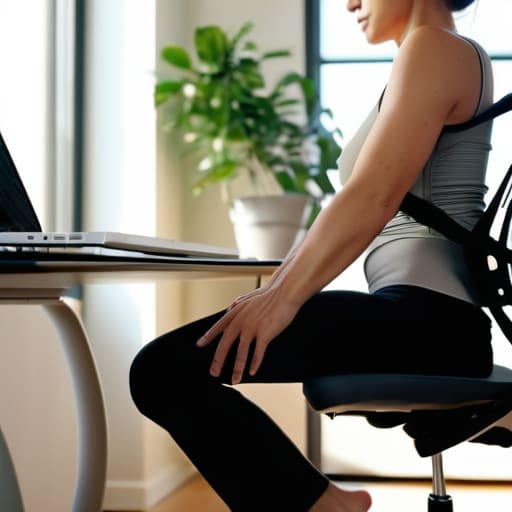
Look, you don’t need a yoga mat or a gym membership to fix the stiffness creeping into your neck and shoulders. The secret is leaning into micro-breaks for productivity by using the chair you’re already sitting in. Try a seated spinal twist: sit tall, grab the armrest, and gently rotate your torso toward one side. Hold it for a few breaths, then switch. It feels ridiculous for the first ten seconds, but once that tension breaks in your lower back, you’ll realize why you’ve been feeling so sluggish.
Next, stop ignoring your wrists. If you’re typing all day, your forearms are likely screaming for mercy. Extend one arm out, palm facing forward like you’re telling someone to stop, and use your other hand to gently pull your fingers back toward your elbow. It’s a simple way of incorporating movement into your office routine without looking like you’re having a mid-day crisis. These tiny bursts of motion might seem small, but they are the best defense against the physical toll of a long shift.
Five Ways to Stop Acting Like a Human Statue
- Stop treating your chair like a throne. Every hour, stand up for just two minutes—even if it’s just to grab a glass of water or pace while you’re on a call.
- Ditch the elevator. If you’re only going up two or three floors, take the stairs. It’s a tiny burst of cardio that actually counts when you add it up over a week.
- Turn your meetings into walking sessions. If you don’t need to stare at a shared screen, grab your headset and walk the hallway while you talk. You’ll think clearer anyway.
- Set a “movement alarm.” Use your phone or a browser extension to nudge you every 45 minutes. When it goes off, do ten air squats or just a quick calf stretch.
- Park further away or get off the bus one stop early. Forcing yourself to walk that extra distance every morning and afternoon builds a baseline of activity you don’t even have to think about.
The Bottom Line: Stop Treating Your Desk Like a Cage
Stop waiting for a “break” to move; integrate tiny, micro-movements into your workflow so your body doesn’t lock up by 3 PM.
Your equipment shouldn’t be a trap—fix your setup or grab a standing desk converter before your posture becomes permanent.
Movement isn’t a reward for finishing your work; it’s the fuel that actually helps you get the work done without crashing.
## The Hard Truth About the 9-to-5 Grind
“Your body wasn’t designed to be a permanent fixture of a swivel chair; stop treating your desk like a cage and start treating movement like a non-negotiable part of your job description.”
Writer
Stop Making Excuses

Look, we’ve covered a lot of ground here. From fixing that soul-crushing desk setup to actually getting your blood flowing with some decent stretches, the blueprint is right in front of you. You don’t need a gym membership or a standing desk that costs more than your rent to make a difference. It really just comes down to intentionality. Whether it’s taking the long way to the breakroom or refusing to stay glued to your chair for four hours straight, these small shifts are what prevent that dreaded end-of-day burnout. It’s about breaking the cycle of sedentary stagnation before it becomes your new permanent reality.
At the end of the day, your body wasn’t designed to be a stationary object. It’s a machine that needs movement to function, and treating it like a piece of office furniture is a recipe for disaster. Don’t wait for a back injury or a massive energy crash to finally take this seriously. Start small, stay consistent, and remember that every single movement counts. You aren’t just working for a paycheck; you’re working to live, so make sure you’re actually healthy enough to enjoy the life you’re building. Get moving.
Frequently Asked Questions
How am I supposed to move around without looking weird or unprofessional in front of my boss?
Look, I get it. Nobody wants to be the person doing unsolicited yoga in the middle of a meeting. The trick is to stop thinking about “exercise” and start thinking about “micro-movements.” Grab a glass of water more often so you have an excuse to walk to the kitchen. Stand up when you’re on a call where you don’t need to be typing. It’s not weird if it looks like you’re just being productive.
What if I have a job where I literally can't step away from my screen for even five minutes?
Look, I get it. Some jobs aren’t built for “wellness breaks”—you’re tethered to that monitor or a live queue, and the second you step away, things fall apart. If you can’t leave the desk, stop trying to find a way out and start finding ways to move in. Think micro-movements: ankle circles under the desk, isometric glute squeezes, or even just correcting your posture every time you click “send.” It’s not a yoga class, but it beats staying frozen.
Are there any specific pieces of gear, like standing desks or walking pads, that are actually worth the money?
Look, don’t blow your entire paycheck on “wellness tech” just because an influencer told you to. A standing desk is a solid win, but only if you actually use it—don’t just turn it into a very expensive shelf for your coffee. Walking pads are great for low-intensity movement, but they can be noisy and distracting during calls. If you’re tight on cash, start with a cheap foam roller or a simple stability ball instead.