How to Track Your Spending and Find Hidden Waste

I’m so tired of seeing those “perfect” finance influencers preach about complex spreadsheets and $20-a-month subscription apps that do all the thinking for you. Honestly, most of that high-tech nonsense is just a way to make you feel like you need a degree in accounting just to figure out how to track your spending without losing your mind. If you’re anything like me, you don’t want a digital overlord telling you that your morning latte is a “fiscal catastrophe”—you just want to know where the hell your money actually went before the month ends.
I’m not here to sell you on a lifestyle of deprivation or a complicated system that takes three hours of your Sunday to maintain. Instead, I’m going to show you the unfiltered, messy reality of what actually works for real people with real lives. I’ll be sharing the exact, low-maintenance methods I used to finally take control of my bank account, stripped of all the fluff and academic jargon. This is about practical, no-BS tactics that you can start using tonight to stop the bleeding and start building actual wealth.
Table of Contents
Mastering Financial Awareness Techniques That Actually Stick
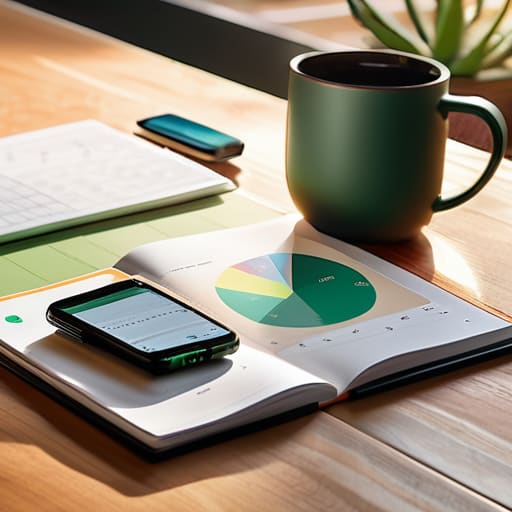
The problem with most advice is that it treats you like a robot, expecting you to log every single latte with military precision. Real life doesn’t work that way. To actually make this stick, you need to find a rhythm that fits your personality rather than forcing yourself into a rigid box. If you’re a tech person, diving into budgeting apps for beginners can automate the heavy lifting, giving you instant visibility into where your cash is leaking. But if you’re someone who needs to see the big picture to feel in control, a simple monthly budget spreadsheet template might be your best bet for staying organized without the constant notifications.
The real secret to managing personal finances isn’t about deprivation; it’s about visibility. When you start tracking cash flow in real-time, you stop making emotional impulse buys because you finally see the long-term cost. It’s about moving from “I think I can afford this” to “I know exactly what this does to my bank account.” Once you bridge that gap, you aren’t just counting pennies—you’re actually taking command.
Tracking Cash Flow Without Losing Your Mind

Let’s be real: the idea of logging every single coffee purchase or grocery run feels like a second full-time job. Most people quit within a week because they try to be too perfect, treating their bank statement like a high-stakes math exam. But tracking cash flow shouldn’t feel like a punishment. The secret is finding a rhythm that doesn’t require you to stare at a screen for three hours every Sunday. Whether you’re a tech geek or a pen-and-paper purist, the goal is to capture the data without it becoming a mental burden.
If you’re someone who thrives on automation, looking into budgeting apps for beginners is a total game-changer. These tools do the heavy lifting by syncing with your accounts, so you aren’t manually typing in every transaction. On the flip side, if you need more control, a simple monthly budget spreadsheet template can give you that granular view without the clutter of a complex software suite. The key isn’t about being a math wizard; it’s about building a system that actually fits into your life instead of forcing your life to revolve around a spreadsheet.
Five Ways to Actually Stay on Top of Your Money
- Stop trying to be perfect. If you miss a day or a single coffee receipt, don’t throw the whole month away; just pick it back up tomorrow.
- Pick one tool and stick to it. Whether it’s a crusty old notebook or a fancy app, the best system is the one you’ll actually bother to open every day.
- Categorize like a human, not an accountant. Don’t stress over fifty different sub-categories; just group things into broad buckets like “Food,” “Bills,” and “Fun” so you don’t get overwhelmed.
- Schedule a weekly “money date” with yourself. Spend ten minutes every Sunday reviewing what went out so you aren’t hit with a massive, terrifying surprise at the end of the month.
- Look for the “silent killers.” Pay close attention to those tiny, recurring subscriptions you forgot you had—they’re the easiest way to bleed cash without even noticing.
The Bottom Line: Making It Work for You
Stop aiming for perfection; the goal isn’t a flawless spreadsheet, it’s just knowing where the leaks are so you can plug them.
Choose a tracking method that doesn’t feel like a second job, whether that’s a quick app entry or a weekly coffee shop audit.
Use your data to make actual decisions, not just to stare at numbers—if you see a pattern of mindless spending, change the habit immediately.
The Hard Truth About Your Bank Account
“Tracking your spending isn’t about punishing yourself for that extra latte; it’s about finally taking the steering wheel so your money stops driving you into a ditch.”
Writer
Taking Control of Your Financial Future

At the end of the day, tracking your spending isn’t about punishing yourself or living a life of deprivation; it’s about gaining the clarity you need to make intentional choices. We’ve looked at how to build awareness that actually sticks and how to manage your cash flow without turning into a full-time accountant. Whether you decide to go old-school with a notebook or automate the whole thing with an app, the goal is the same: to stop the bleeding and start seeing where your hard-earned money is actually going. Once you bridge the gap between what you think you spend and what you actually spend, the stress starts to fade.
Don’t let the fear of a messy spreadsheet or a bad spending week stop you from starting. You are going to slip up, you are going to have an impulse buy, and that is perfectly fine. The magic isn’t in achieving some impossible state of perfection; it’s in the consistency of showing up for your future self. Every single dollar you track is a step toward a life where you are no longer a slave to your bank balance, but the master of it. So, grab your bank statement, pick a method that doesn’t feel like a chore, and just start today.
Frequently Asked Questions
How much time should I actually be spending on this every week without it becoming a second job?
Look, if you’re spending more than 15 to 20 minutes a week on this, you’re doing it wrong. You aren’t an accountant; you’re just someone trying to get their life together. Aim for a quick ten-minute “pulse check” every Sunday to categorize your transactions, and maybe one deeper dive once a month to see the big picture. Keep it punchy. If it starts feeling like a chore, you’ve already lost the battle.
Is it better to use a dedicated app or just stick to a simple spreadsheet?
Look, there’s no “correct” answer, only what keeps you from quitting after three days. If you’re a data nerd who wants total control and custom categories, go with a spreadsheet. It’s tedious, but it forces you to actually look at your numbers. But if you’re busy and just want to see your progress without the manual labor, grab an app. Just pick one and actually use it—consistency beats perfection every single time.
What do I do when I inevitably miss a few days of tracking and feel like giving up?
Look, life happens. You’re going to miss a few days, maybe even a whole week. When that happens, the worst thing you can do is let the guilt spiral into a “screw it” moment. Don’t try to reconstruct every single receipt from memory—it’s a waste of energy. Just pick up exactly where you are right now. Forgive yourself, restart today, and keep moving. Perfection is the enemy of progress.