How to Improve Your Posture (even at a Desk)

I used to think that fixing my back meant spending a small fortune on “ergonomic” chairs that looked like they belonged in a sci-fi movie or buying those ridiculous posture-correcting braces that make you look like you’re wearing a medieval torture device. Honestly? Most of that stuff is just expensive noise. If you’re searching for how to improve your posture, you don’t need a $1,000 seat or a corset to hold you upright; you just need to stop falling for the marketing hype and start listening to your own body.
I’m not here to give you a lecture or some clinical, textbook list of stretches that feel impossible to do. Instead, I’m going to share the actual, messy ways I reclaimed my spine without turning my life upside down. We’re going to focus on small, sustainable shifts that work in the real world—not just in a yoga studio. This is about practical, no-nonsense adjustments that actually stick, so you can finally stop feeling like a human question mark by the end of every workday.
Table of Contents
The Hidden Effects of Poor Posture on Spine Health

Most people think bad posture is just about looking slumped or unprofessional, but the reality is much more invasive. When you spend hours leaning forward toward a screen, you aren’t just developing a “tech neck”; you are fundamentally altering the way your vertebrae interact. The effects of poor posture on spine health go far beyond surface-level aesthetics. Constant slouching places uneven pressure on your intervertebral discs, which can eventually lead to premature wear and tear or even herniation. It’s a slow, silent process of structural degradation that most of us don’t notice until the sharp, nagging pain actually sets in.
It isn’t just about the bones, though—it’s about the soft tissue, too. When your alignment is off, your muscles are forced to work overtime just to keep you upright, leading to chronic tension and fatigue. This is why you might feel completely drained by 3:00 PM, even if you haven’t done anything physical. By strengthening core muscles for posture, you essentially build a natural internal brace that takes the load off your spine. Without that support, your skeletal system ends up bearing the brunt of every movement, which is a recipe for long-term injury.
Why You Must Stop Slouching at Your Desk Now

Look, we’ve all been there. You sit down to knock out a few emails, and before you know it, two hours have vanished and you’re folded over your keyboard like a human pretzel. It feels fine in the moment, but that “tech neck” tension isn’t just annoying—it’s a warning sign. When you spend your entire workday hunched over, you aren’t just resting; you are actively placing an immense amount of strain on your vertebrae. Preventing slouching at your desk isn’t about being perfect; it’s about realizing that your body wasn’t designed to be a permanent question mark.
The real danger lies in how this habit slowly rewires your physical alignment. If you don’t intervene, you’ll find yourself dealing with chronic tension that no amount of coffee can fix. One of the most effective ways to fight back is by focusing on an ergonomic workspace setup that actually supports your natural curves. Instead of fighting your body, work with it. By making small, intentional adjustments to your monitor height and chair support, you can stop the cycle of pain before it becomes a permanent fixture of your daily life.
5 Simple Ways to Reclaim Your Alignment (Without a Gym Membership)
- Stop treating your chair like a hammock. Most of us subconsciously melt into our seats, but you need to keep your hips stacked over your knees. If you feel your lower back rounding into a ‘C’ shape, you’re doing it wrong—sit up so your spine actually has room to breathe.
- Get your screen up to eye level. If you’re looking down at a laptop all day, you’re essentially carrying a bowling ball with your chin. Prop that thing up on some books or a stand so your neck stays neutral instead of straining forward like a turtle.
- Set a “movement alarm” on your phone. Your body wasn’t built to stay static for eight hours straight. Every 30 minutes, stand up, reach for the ceiling, or just walk to the kitchen. Even sixty seconds of movement breaks the cycle of stiffness.
- Strengthen your “posterior chain.” You don’t need heavy weights, but doing some basic glute bridges or bird-dogs will help. When your glutes and back muscles are actually awake, they do the heavy lifting of holding you upright so your spine doesn’t have to.
- Check your phone habit. We call it “text neck” for a reason. Instead of hunching your head down to look at your screen, bring the phone up to your face. It feels weird at first, but your cervical spine will thank you later.
The Bottom Line: How to Start Fixing It Today
Posture isn’t just about looking confident; it’s about preventing long-term, painful damage to your spine and nervous system.
Your desk setup is likely your biggest enemy, so prioritize ergonomic tweaks like monitor height and lumbar support immediately.
Consistency beats intensity—small, frequent movements and posture checks throughout the day matter more than a single hour at the gym.
## The Reality Check
“Improving your posture isn’t about sitting like a rigid soldier; it’s about teaching your body that it doesn’t have to carry the weight of your entire life in your neck and shoulders.”
Writer
The Long Game
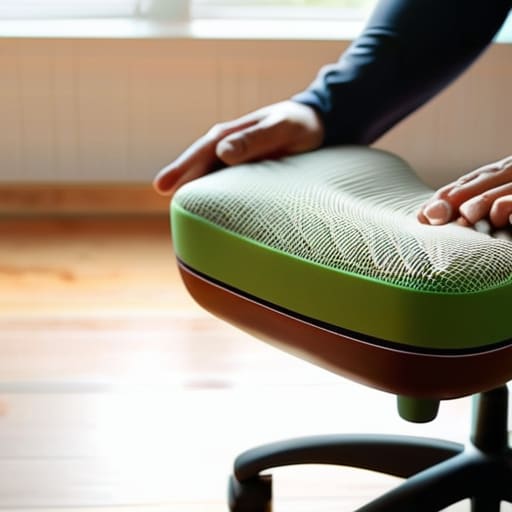
Look, fixing your posture isn’t about achieving some perfect, robotic stance that feels unnatural for five minutes. It’s about recognizing that the way you sit, stand, and move right now is actively shaping your future physical health. We’ve talked about how slouching wreaks havoc on your spine and why that desk setup is likely your biggest enemy. At the end of the day, it comes down to intentionality. Whether you’re making small ergonomic tweaks or committing to regular stretching, the goal is to stop the damage before it becomes a permanent, painful reality. It’s about small, consistent wins that add up over time.
Don’t let the idea of “perfect posture” intimidate you into doing nothing at all. You don’t have to fix everything by tomorrow morning to see a difference. Just start by being a little more mindful of your alignment during your next meeting or while you’re scrolling through your phone. Your body is incredibly resilient, but it needs you to listen to the signals it’s sending through those aches and pains. Take control of your movement now, and your future self will thank you for it every single day.
Frequently Asked Questions
Are there specific exercises I can do at my desk without looking weird to my coworkers?
Look, you don’t need to start doing yoga poses in the middle of the office to see results. Stick to “stealth” movements. Try seated spinal twists—just rotate your torso slightly while holding your armrest for support. You can also do seated glute squeezes or subtle neck retractions (the “chin tuck”) to reset your alignment. They look like you’re just adjusting in your chair, but they’re actually working to undo that desk slouch.
How long does it actually take to see a difference in how I stand?
Honestly? It’s not an overnight thing. If you’re just focusing on “standing tall” for a few minutes, you’ll feel a difference almost immediately—your muscles will feel more engaged and you’ll feel more confident. But to actually rewire your body and change your habitual alignment? You’re looking at about four to six weeks of consistent effort. It takes time for your muscles to strengthen and for your brain to accept this new “normal.”
Should I invest in an expensive ergonomic chair, or can I fix this with better habits?
Look, I get the temptation to drop $1,000 on a fancy ergonomic chair, but honestly? It’s a band-aid. You can sit in the most expensive throne on earth, but if you’re still hunching over like a question mark, you’re still going to hurt. Invest in better movement habits first—like regular stretch breaks and proper screen height. Use a decent chair as a tool, not a cure. Habits fix your spine; expensive foam just masks the problem.