Everyday Habits That Support a Healthy Immune System

I am so sick of seeing those neon-colored “immune support” gummy vitamins plastered all over my social media feed, promising to turn you into a biological fortress for the low price of $49.99 a bottle. It’s absolute nonsense. If you’re looking for a magic pill to solve everything, you’re in the wrong place, because there is no secret supplement that can actually teach you how to boost your immune system overnight. Most of these companies are just selling you expensive sugar coated in marketing hype, banking on the fact that you’re too tired and too sick to see through the gimmick.
I’m not here to sell you a subscription or a proprietary blend of mystery herbs. Instead, I’m going to give you the unfiltered truth based on what actually works when you’re tired of feeling like a walking petri dish. We are going to cut through the noise and focus on the foundational, slightly boring, but incredibly effective habits that actually move the needle. This is about real, sustainable changes that you can actually stick to without breaking the bank or following a cult-like wellness trend.
Table of Contents
Fueling the Fight With Immune System Strengthening Foods

Look, you can’t just rely on a single “superfood” to do all the heavy lifting. It’s not about finding one magic pill; it’s about building a nutritional foundation that actually supports your defenses. If you want to start seeing real results, you need to focus on immune system strengthening foods that work together. Think of it like a team: you need the Vitamin C from citrus to act as the scouts, but you also need the zinc from seeds or shellfish to help the cells actually do their jobs.
A huge part of this that people often overlook is the connection between gut health and immune response. Most of your immune cells actually live in your digestive tract, so if your gut is a mess, your immunity will be too. Instead of reaching for processed snacks that spike your blood sugar, try loading up on fermented stuff like yogurt or kimchi. When you prioritize these kinds of nutrient-dense whole foods, you aren’t just eating; you’re actively training your body to stay resilient against whatever bug is going around.
Essential Vitamins for Immune Function You Cant Ignore
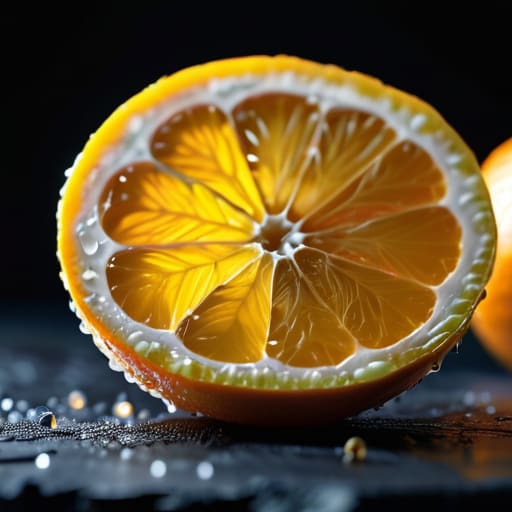
Look, you can eat all the kale in the world, but if you aren’t hitting your micronutrient targets, you’re essentially fighting a war without ammunition. While food is the foundation, certain vitamins for immune function act like the specialized tactical gear your body needs to actually repel an invader. Vitamin C is the obvious heavy hitter here, but don’t just think of it as orange juice; it’s about maintaining a steady supply to keep your white blood cells on high alert.
Then there’s Vitamin D, which most of us are chronically low on, especially if you spend your days staring at a computer screen instead of soaking up the sun. It’s not just a “bone vitamin”—it’s a massive player in how your body regulates its defense response. Pairing these with Zinc is equally non-negotiable. Think of Zinc as the master regulator that helps your immune cells communicate effectively. If you’re looking for natural ways to improve immunity, stop treating these nutrients like optional extras and start viewing them as the absolute bare minimum for staying upright and healthy.
The Non-Negotiable Habits That Actually Move the Needle
- Stop treating sleep like a luxury. If you’re pulling all-nighters or surviving on five hours of broken rest, your immune system is basically running on empty. You need real, uninterrupted sleep to let your body actually do its repair work.
- Manage your stress before it manages you. Constant cortisol spikes are like leaving the door wide open for germs. Whether it’s a walk, a book, or just sitting still, you have to find a way to turn down the internal noise.
- Get moving, but don’t overdo it. A daily sweat session gets your circulation going and helps your immune cells patrol your body more effectively, but don’t go trying to run a marathon if you’re already feeling run down.
- Hydrate like your health depends on it—because it does. Water is what moves nutrients around and flushes out the junk. If you’re dehydrated, your cellular defenses are going to be sluggish at best.
- Watch your sugar intake. High sugar consumption can actually suppress your white blood cell activity for a while after you eat it. If you’re constantly spiking your blood sugar, you’re making it much harder for your body to fight back.
The Bottom Line: Don't Wait Until You're Sick
Stop looking for a magic pill; real immunity is built through the boring, daily stuff like eating actual food instead of processed junk and keeping your vitamin levels in check.
Focus on the fundamentals—if your diet is trash and you’re ignoring key nutrients like Vitamin C and D, no amount of expensive supplements will save you.
Consistency is everything. You can’t just eat a salad once a week and expect to become invincible; you have to make these habits part of your baseline.
## The Bottom Line
“Your immune system isn’t some magical shield that you can just switch on when you feel a sniffle coming on; it’s a living, breathing ecosystem that you have to build, brick by brick, through every meal you eat and every hour of sleep you prioritize.”
Writer
The Bottom Line
Look, there’s no magic pill that’s going to suddenly turn you into a biological fortress overnight. Boosting your immunity is about the small, boring stuff that actually adds up: loading your plate with real, nutrient-dense foods, making sure you aren’t running on empty when it comes to essential vitamins, and actually giving your body the rest it craves. It’s not about being perfect or following a rigid, clinical protocol; it’s about building better habits so your body has the resources it needs to fight back when a bug inevitably comes knocking. If you focus on fueling the engine rather than just patching up the leaks, you’re already miles ahead of the game.
At the end of the day, your health isn’t a project you finish—it’s a lifelong relationship you nurture. Don’t get discouraged if you have a week where you live on caffeine and takeout; just get back on track the next morning. Your immune system is working incredibly hard for you every single second of the day, often without you even realizing it. Treat it with a little more respect, give it the tools it asks for, and it will show up for you when it matters most. Now, stop reading about it and go actually do something for your health today.
Frequently Asked Questions
Can I just take a handful of supplements and call it a day, or do I actually need to change my diet?
Look, if you think you can just pop a few pills and ignore the fact that you’re living on takeout and caffeine, you’re kidding yourself. Supplements are meant to supplement a solid foundation, not replace it. Think of it like this: vitamins are the extra polish, but your diet is the actual engine. If the engine is junk, no amount of polish is going to keep you running smoothly. Focus on the food first.
How much of this is actually about what I eat versus how much sleep I'm getting?
Honestly? It’s a toss-up. You can eat all the kale and blueberries in the world, but if you’re running on four hours of sleep, you’re basically throwing money down the drain. Sleep is when your body actually does the heavy lifting—it’s when your immune cells recharge and prep for battle. Think of food as the fuel and sleep as the repair shop. You need both, or the whole system breaks down.
Are there specific things I should avoid that are secretly wrecking my immune response?
If you’re doing everything right with vitamins but still feel run down, look at what you’re sabotaging. Sugar is a massive culprit—it basically puts your white blood cells into a temporary coma. Then there’s chronic stress; constant cortisol is like leaving your body’s gates wide open for infection. Toss in too much alcohol and a lack of sleep, and you’re essentially handing your defenses over to whatever germ is going around.