How to Build a Balanced Meal Without Counting Anything
I used to think that mastering nutrition meant spending three hours every Sunday meal-prepping into identical plastic containers or buying every “superfood” powder that hit the shelves. Honestly, that whole approach is exhausting and, frankly, a little bit ridiculous. Most of the advice you see online makes learning how to build a balanced meal feel like a high-stakes chemistry exam rather than just, you know, eating dinner. I got tired of the complexity, so I decided to strip away the nonsense and focus on what actually works when you’re staring at a fridge at 6:00 PM on a Tuesday.
Here is my promise to you: no expensive supplements, no complicated math, and absolutely no food elitism. I’m going to show you the real-world framework for building plates that actually keep you full and energized without making you feel like a full-time chef. We’re going to focus on simple, common-sense combinations that fit into your actual life, not some idealized version of it. Let’s get into it.
Table of Contents
Mastering the Protein Vegetable Carbohydrate Ratio
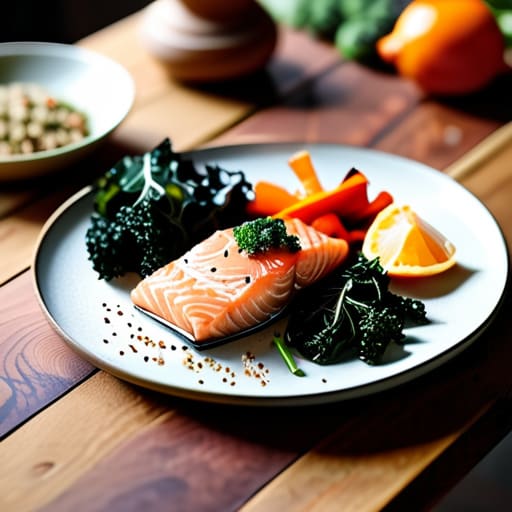
Think of your plate as a tripod; if one leg is way longer than the others, the whole thing tips over. When people talk about the protein vegetable carbohydrate ratio, they often make it sound like a high school chemistry equation, but it’s actually much simpler. You aren’t looking for surgical precision; you’re looking for a rhythm. Aim for a palm-sized portion of protein to keep your hunger hormones in check, a massive heap of colorful veggies for volume, and a fist-sized serving of complex carbs to fuel your brain.
The real secret to staying full without feeling sluggish is understanding nutritional density. If you fill up on empty calories, you’ll be hunting for snacks an hour later. Instead, treat your carbs like a sidekick rather than the star of the show. By focusing on fiber-rich grains and legumes, you’re essentially using a healthy plate method to automate your satiety. It’s less about counting every single gram and more about getting the visual proportions right so your body actually gets what it needs to thrive.
Nutritional Density Explained for Maximum Impact
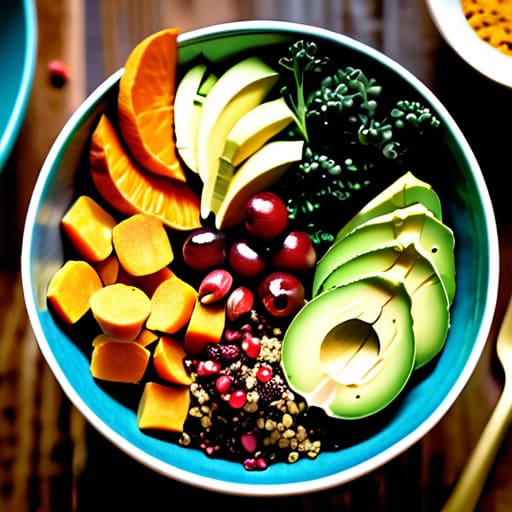
Think of nutritional density as getting more “bang for your buck” with every bite. It’s the difference between eating a bowl of plain white rice that leaves you hungry in an hour and a bowl of quinoa loaded with fiber and micronutrients that keeps you steady. When we talk about nutritional density explained, we aren’t just counting calories; we are looking at the concentration of vitamins, minerals, and antioxidants relative to the energy provided. If you focus solely on hitting your macros without considering the quality of your ingredients, you might technically be “balanced” on paper while still feeling completely drained.
To make this work in real life, you want to prioritize foods that pack a heavy nutritional punch without requiring massive volumes. Instead of filling up on empty processed carbs, lean into leafy greens, seeds, and lean proteins. This approach actually makes portion control tips much easier to follow because nutrient-dense foods are naturally more satiating. When you prioritize quality, you aren’t just fueling your body; you’re optimizing it.
Pro-Tips for Keeping Your Plate (and Your Sanity) in Check
- Don’t fear the fat. Adding a bit of avocado, olive oil, or even some nuts isn’t just for flavor; it’s what actually keeps those hunger pangs at bay an hour after you eat.
- Use the “Color Rule” as a shortcut. If your plate looks beige, you’re probably missing out. Aim for at least two different colors from veggies to ensure you’re getting a real spectrum of micronutrients.
- Prep your “building blocks” ahead of time. You don’t need to meal prep entire recipes, but having a container of cooked quinoa or roasted chicken in the fridge makes assembling a balanced meal a 5-minute task instead of a chore.
- Watch the “hidden” liquid calories. You can build the perfect plate, but washing it down with a sugary soda or a massive fruit juice can throw your blood sugar levels completely out of whack.
- Listen to your fullness cues rather than just the portions. A balanced meal should leave you feeling energized, not like you need a nap immediately after the last bite.
The Cheat Sheet for Your Next Plate
Stop obsessing over perfect macros and just focus on the “big three”—protein, healthy fats, and fiber—to keep your energy stable.
Prioritize nutrient density by swapping empty calories for whole foods so you actually feel satisfied instead of just full.
Think of your plate as a flexible template rather than a rigid rulebook; it’s about consistency and balance, not perfection.
The Philosophy of the Plate
“Forget the math and the rigid food pyramids; building a balanced meal isn’t about perfection, it’s about choosing ingredients that actually fuel your life instead of just filling your stomach.”
Writer
The Bottom Line

At the end of the day, building a balanced meal isn’t about following a rigid, mathematical formula or weighing every single gram of spinach on a scale. It’s about understanding the fundamental relationship between your protein, carbs, and fats, and choosing foods that actually pack a nutritional punch rather than just filling space. When you stop viewing food as just fuel and start seeing it as a way to manage your energy and hunger, the process becomes intuitive. Remember, the goal is to prioritize nutritional density so that every bite serves a purpose, leaving you feeling satisfied rather than just temporarily full.
Don’t let the pursuit of perfection become a barrier to your progress. You don’t need a gourmet kitchen or a degree in dietetics to master the art of the plate; you just need a little bit of intention. There will be days when you grab a quick sandwich or a bowl of pasta, and that is perfectly fine. The real magic happens in the consistency of your habits, not the perfection of a single meal. Start small, trust your body’s cues, and focus on adding more of the good stuff in. You’ve got this.
Frequently Asked Questions
What if I'm eating out or grabbing takeout—how do I balance a meal when I don't control the ingredients?
The Restaurant Survival Guide: Navigating Menus Without Losing Control
Do I really need to track exact portions, or is there a way to eyeball it without getting obsessed with numbers?
Honestly? You don’t need to live by a scale. Obsessing over grams is the fastest way to kill your relationship with food. Instead, use your hand as a portable guide. A palm-sized portion of protein, a fist of veggies, and a cupped hand of carbs is usually the sweet spot. It’s about getting the ratios right most of the time, rather than being perfect every single time. Aim for intuition, not math.
How much do my activity levels or fitness goals change the way I should structure my plate?
Think of your plate as a sliding scale, not a fixed rule. If you’re crushing heavy lifting sessions or training for a marathon, you’re going to need more carbs to fuel those muscles and prevent burnout. On the flip side, if your days are more sedentary, you might want to lean heavier into proteins and veggies to keep your satiety high without overdoing the energy intake. Adjust the ratios to match your output.