Mindful Eating: How to Enjoy Food and Feel Better
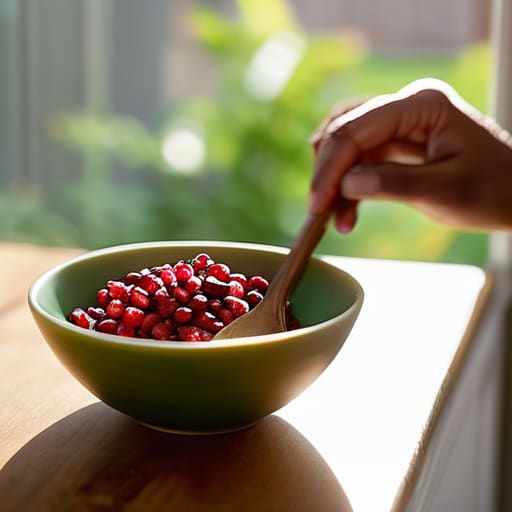
I used to think mindful eating was just some expensive, pseudo-spiritual nonsense designed to make you sit in silence with a single organic blueberry for twenty minutes. I pictured people in linen clothes, meditating over kale salads while listening to Tibetan singing bowls, and frankly, it sounded exhausting. For the longest time, I thought “being mindful” meant I had to turn every meal into a heavy, ritualistic chore just to avoid overeating.
But here’s the truth: it’s not about being a monk; it’s about actually being present in your own life. I’m not here to sell you on expensive retreats or complicated breathing exercises that feel like more work than your actual job. Instead, I want to share the gritty, realistic ways I reclaimed my relationship with food without losing my mind. I’ll show you how to stop the mindless scrolling and the “accidental” bag-of-chips vacuuming through simple, actionable shifts that actually fit into a busy, chaotic schedule. No fluff, no hype—just real ways to eat better.
Table of Contents
Decoding Your Bodys Hunger and Fullness Cues

Most of us have become experts at eating on autopilot. We graze while answering emails or inhale a snack while staring at a screen, completely oblivious to what our stomachs are actually saying. To truly get this right, you have to start paying attention to your hunger and fullness cues. It’s not just about knowing when you’re “starving”; it’s about distinguishing between a genuine physical need for fuel and that nagging, restless sensation that usually signals boredom or stress.
The trick is to check in with yourself before you reach for the pantry. Ask yourself: “Am I actually hungry, or am I just looking for a distraction?” Developing this level of emotional eating awareness changes the entire dynamic of your day. Instead of reacting to a sudden craving, you start responding to your body’s actual biological signals. It’s a subtle shift, but once you learn to listen to those quiet internal whispers rather than the loud, external impulses, you’ll find you stop overeating long before you feel uncomfortably stuffed.
Mastering Sensory Eating Techniques for Deeper Flavor

Once you’ve started listening to your body, the next step is to actually engage with the food on your plate. We often treat eating like a background task—something we do while answering emails or watching Netflix—but that’s exactly what leads to reducing distracted eating. Instead, try treating your meal like a sensory experience. Before you even take a bite, look at the colors, notice the steam rising from the dish, and even catch the aroma. This simple shift prepares your brain for the meal ahead, making the experience feel much more intentional.
When you finally do dive in, slow down and focus on the textures. Is your salad crisp? Is the bread warm and pillowy? By utilizing these sensory eating techniques, you move away from the mindless swallowing that characterizes most modern meals. You’ll find that you aren’t just consuming calories; you’re actually savoring the nuances of every ingredient. This level of presence doesn’t just make the food taste better; it helps you recognize when you’ve had enough, making it much easier to stay in tune with your natural satiety.
Small Shifts to Stop the Mindless Munching
- Put the phone in another room. Seriously. It’s almost impossible to hear what your stomach is telling you when you’re halfway through a Netflix binge or scrolling through a chaotic feed.
- Slow down your pace. If you feel like you’re inhaling your food just to get to the next thing on your to-do list, take a breath. Try putting your fork down between bites to actually pace yourself.
- Check in with your “why.” Before you reach for a snack, ask yourself if you’re actually hungry or if you’re just bored, stressed, or looking for a hit of dopamine.
- Ditch the “all or nothing” mindset. If you eat something indulgent, don’t let it spiral into a “well, the day is ruined” feast. Just acknowledge it, enjoy it, and move on to your next meal.
- Create a dedicated space. Try to make the dining table a no-work zone. When you eat at your desk, your brain stays in “task mode” instead of “nourishment mode,” and you’ll miss the signal that you’re full.
Quick Wins for Your Next Meal
Put the phone away. If you’re scrolling while you eat, you aren’t actually eating—you’re just refueling on autopilot.
Slow down the pace. Try putting your fork down between bites to give your brain a chance to catch up with your stomach.
Check in with yourself mid-meal. Stop halfway through and ask, “Am I actually still hungry, or am I just eating because the plate is full?”
The Heart of the Matter
“Mindful eating isn’t about following a strict set of rules or counting every single calorie; it’s about finally showing up to the table and actually being present for the meal you’re eating.”
Writer
Bringing It All Home

At the end of the day, mindful eating isn’t about following a strict set of rules or achieving some impossible level of zen every time you pick up a fork. It’s about the small, intentional shifts we discussed: learning to actually listen to your body instead of ignoring it, and slowing down enough to let your senses lead the way. By decoding those hunger cues and leaning into the textures and flavors of your meals, you’re doing more than just eating; you’re actively rebuilding a connection with yourself that often gets lost in the chaos of a busy life.
Don’t feel like you have to overhaul your entire kitchen or become a meditation expert overnight. Start small. Maybe tomorrow, you just commit to one meal without your phone, or you take three deep breaths before your first bite. Progress isn’t a straight line, and there will be days when you eat standing up over the sink—and that’s perfectly okay. The goal is simply to reclaim your relationship with food one bite at a time. Be patient with yourself, stay curious, and remember that every single meal is a fresh opportunity to practice being present.
Frequently Asked Questions
Does mindful eating mean I have to eat slowly every single time I have a meal?
Not at all. If you tried to turn every single meal into a slow-motion meditation, you’d burn out in a week. Life is messy, and sometimes you just need to grab a sandwich and go. Mindful eating isn’t about the clock; it’s about the connection. Even if you only have ten minutes, try to spend at least the first few bites actually noticing the texture and flavor. It’s about intention, not speed.
How do I stay mindful when I'm eating in a busy environment like a restaurant or a loud office?
It’s tough. When the office is buzzing or a restaurant is slammed, your brain naturally wants to multitask. My trick? Pick one “anchor.” If you can’t control the noise, focus entirely on the texture of your food or the temperature of your drink. It sounds small, but that single point of sensory focus acts like a shield against the chaos, pulling your attention back to the plate instead of the distractions.
Can mindful eating actually help with emotional eating or stress snacking?
Absolutely. In fact, this is where mindful eating really shines. Most of us reach for chips or chocolate when we’re stressed because it’s an automatic reflex—we aren’t even tasting the food, we’re just seeking a distraction. By slowing down and checking in with yourself, you create a tiny gap between the impulse and the action. That pause lets you ask, “Am I actually hungry, or am I just overwhelmed?” It’s a total game-changer.