How to Meal Prep for the Whole Week
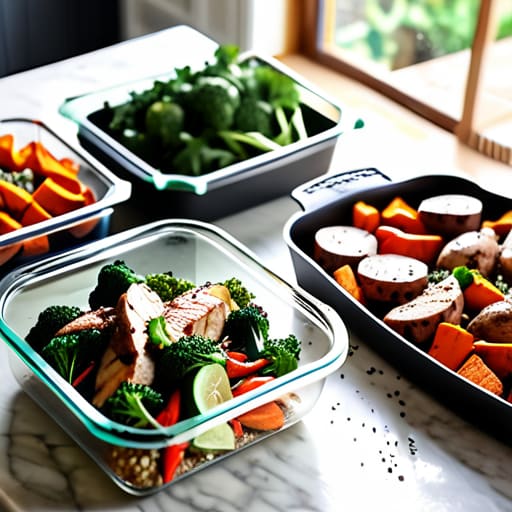
If you think learning how to meal prep means spending your entire Sunday afternoon in a kitchen filled with steam, expensive glass containers, and enough organic kale to feed a small village, you’ve been lied to. Most of the “gurus” online make it look like a high-stakes culinary production, but honestly? That’s a one-way ticket to burnout city. I spent years trying to follow those rigid, Pinterest-perfect schedules only to end up staring at a fridge full of soggy, depressing leftovers by Wednesday afternoon. It’s not about being a chef; it’s about not being hungry and broke at 7:00 PM on a Tuesday.
I’m not here to sell you on a lifestyle overhaul or a mountain of specialized equipment. Instead, I’m giving you the actual, messy reality of what works when you’re busy, tired, and just want to eat something decent. We’re going to strip away the fluff and focus on the high-impact habits that actually stick. This is your no-nonsense blueprint for mastering the basics so you can reclaim your time without losing your mind.
Table of Contents
Mastering Batch Cooking Techniques for Maximum Efficiency
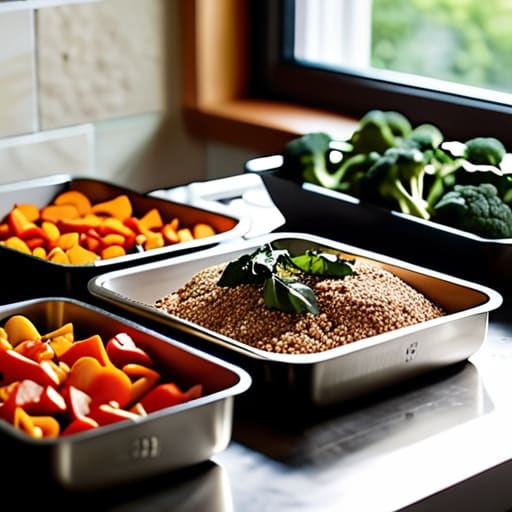
If you want to stop spending your entire Sunday hovering over a stove, you need to stop thinking about individual recipes and start thinking about components. Most people fail because they try to cook five distinct, complex meals at once. Instead, lean into batch cooking techniques that focus on high-volume basics. Roast three sheet pans of mixed veggies, boil a massive pot of quinoa, and grill several pounds of protein all at the same time. When you treat your kitchen like an assembly line rather than a restaurant, you aren’t just cooking; you’re building a modular system that makes assembly on Tuesday night effortless.
Once that food is ready, the real magic happens in the organization. Don’t just throw everything into random Tupperware; invest in high-quality meal prep containers for storage that actually seal tight and stack neatly in your fridge. There is nothing more soul-crushing than digging through a messy pile of plastic to find your lunch. By portioning everything out into uniform containers immediately after cooking, you remove the “decision fatigue” that usually leads to ordering takeout. You’ve done the hard work—now let your fridge do the heavy lifting for you.
Weekly Meal Planning Tips to Reclaim Your Time
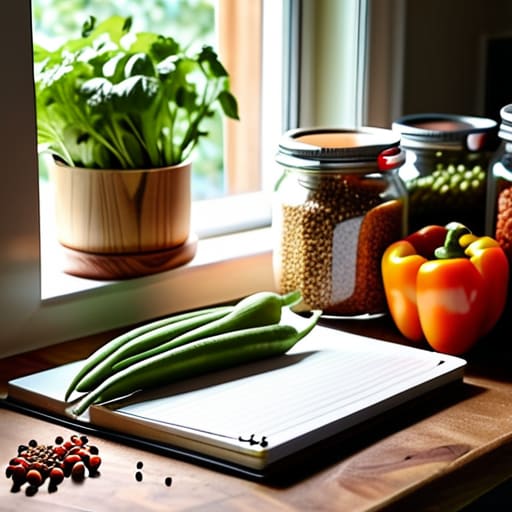
Look, the biggest mistake people make is sitting down on a Sunday night with a blank piece of paper and a prayer. That’s a recipe for decision fatigue. Instead, treat your planning like a tactical mission. Start by auditing what’s actually in your pantry before you even touch a grocery list. This is the secret to budget friendly meal prep; if you’re constantly buying new spices and grains you already have tucked in the back of the cupboard, you’re just throwing money into the trash.
Once you know your inventory, map out your week based on your actual schedule, not some idealized version of yourself. If Tuesday is your marathon training night, don’t plan a complex recipe that takes an hour. Lean into healthy meal prep ideas that rely on versatile proteins you can swap around. Aim for a “modular” plan—think grains, greens, and a protein—rather than rigid, specific meals. This flexibility prevents that mid-week burnout where you end up ordering takeout because your plan was too fragile to survive a busy afternoon.
The "Secret Sauce" Habits That Actually Stick
- Don’t go overboard on day one. If you try to prep 21 meals for the week right out of the gate, you’re going to burn out by Tuesday. Start by just prepping your breakfasts or your lunches and work your way up.
- Invest in decent containers. Seriously. If you’re using flimsy, cheap plastic that leaks everywhere or turns your salad into a soggy mess, you’re going to hate eating your prep. Get the glass stuff that actually seals.
- Embrace the “Component Method” instead of full recipes. Instead of making five identical chicken bowls, just roast a massive tray of veggies, cook a giant pot of quinoa, and grill some protein. That way, you can mix and match flavors so you don’t feel like a robot eating the same thing every day.
- Shop your pantry before you hit the store. There is nothing more annoying than buying a jar of cumin only to realize you already had two hiding in the back of the cupboard. Check what you have first to save money and avoid clutter.
- Keep a “Emergency Meal” in the freezer. Even the best planners have a night where everything goes sideways. Always have one frozen pizza or a bag of dumplings on hand so you don’t end up spending $40 on DoorDash because you “didn’t have anything to eat.”
The Bottom Line
Stop trying to cook five different recipes on Sunday; pick two or three solid bases and mix them up throughout the week to avoid burnout.
Invest in a few decent, airtight containers now so you aren’t wasting time hunting for mismatched Tupperware every time you go to grab lunch.
Don’t aim for perfection in week one—just focus on having one less “what’s for dinner?” meltdown than you had last week.
## The Real Reason We Fail
“Meal prepping isn’t about becoming a gourmet chef on a Sunday afternoon; it’s about making sure your Tuesday-night, exhausted self doesn’t end up staring blankly into a fridge full of nothing before hitting the drive-thru.”
Writer
Stop Overthinking and Just Start
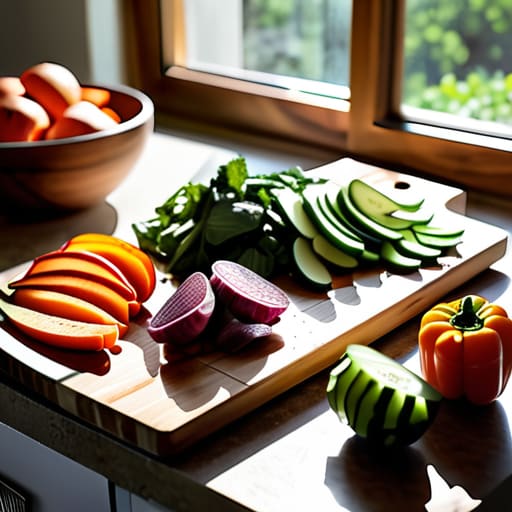
Look, we’ve covered a lot of ground here, from the heavy lifting of batch cooking to the actual strategy of mapping out your week. The goal isn’t to turn your kitchen into a sterile laboratory or spend every Sunday trapped in a culinary trance. It’s about building a system that actually works for your life, not against it. By mastering these techniques, you’re essentially cutting out the decision fatigue that usually leads to those expensive, greasy takeout orders at 7:00 PM. You’ve got the blueprint for maximum efficiency and a plan to reclaim your sanity; now you just need to put the tools to work.
Don’t feel like you have to master everything by next Monday. If you try to prep twenty different meals right out of the gate, you’re going to burn out before the first Tuesday rolls around. Start small. Pick one thing—maybe it’s just roasting a massive tray of veggies or boiling a dozen eggs—and let that be your win. Meal prepping is a skill, not a chore, and it gets easier every single time you do it. Stop letting your schedule run you and start taking control of your plate. You’ve got this.
Frequently Asked Questions
How do I stop my prepped meals from getting soggy or tasting like cardboard by Thursday?
The secret is to stop treating your fridge like a graveyard for leftovers. First, let your food cool completely before sealing the lid—trapped steam is what turns your crispy veggies into mushy sadness. Second, keep your sauces separate. Don’t drown your grains in dressing on Sunday; keep it in a tiny container and add it right before you eat. If it’s getting dry, a quick splash of water or broth before reheating works wonders.
Is it actually worth buying all that expensive glass Tupperware, or can I just use whatever is in my cabinet?
Look, don’t go dropping a hundred bucks on matching glass sets just because an Instagram influencer told you to. If you’ve got a cabinet full of mismatched plastic containers, use them. The goal here is saving time and sanity, not building a Pinterest-perfect kitchen. Just a heads-up: if you’re microwaving heavy sauces, stick to glass so you don’t end up with stained, greasy plastic that smells like last week’s curry.
How do I meal prep without spending my entire Sunday stuck in the kitchen?
Stop trying to cook seven full recipes from scratch in one sitting. That’s a recipe for burnout. Instead, focus on “component prepping.” Roast two big trays of veggies, boil a pot of grains, and grill a few chicken breasts or tofu blocks. You aren’t making finished meals; you’re building a Lego set of ingredients. Toss them together with different sauces throughout the week so you actually feel like you’re eating real food.