How to Stock a Kitchen That Makes Eating Well Easy
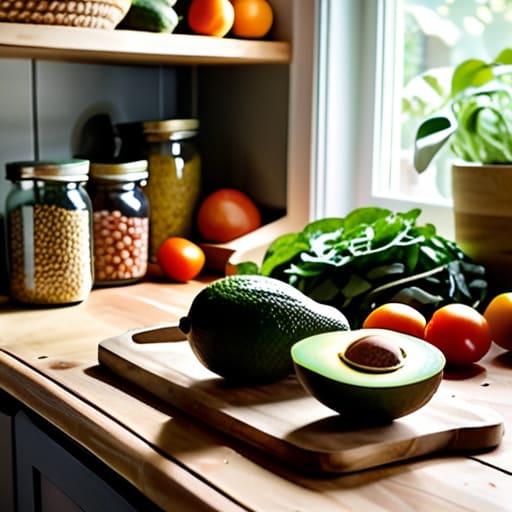
Honestly, I am so tired of the “wellness influencers” telling you that learning how to stock a healthy kitchen requires a $400 grocery haul of organic dragon fruit, artisanal sea salts, and powders you can’t even pronounce. It’s total nonsense. Most of that stuff just sits in your pantry gathering dust while you’re actually hungry and staring at a fridge full of nothing. You don’t need a gourmet lifestyle overhaul or a second mortgage to eat well; you just need a functional strategy that actually works when you’re tired after a long day.
I’m not here to sell you on a lifestyle you can’t afford or a diet that feels like a chore. Instead, I’m going to give you the straight truth on how to build a pantry and fridge that serves you, not the other way around. We’re focusing on versatile staples, smart shopping, and the kind of realistic organization that makes cooking feel effortless rather than an extra item on your to-do list. This is about real food for real life.
Table of Contents
Building Your Nutritious Grocery List Essentials
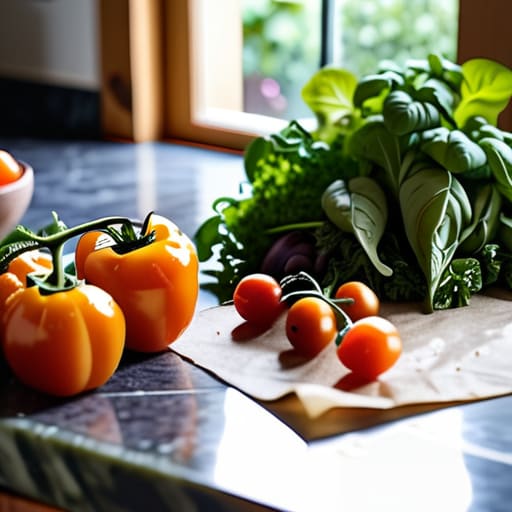
Instead of wandering aimlessly through the aisles, try approaching your shopping trip with a strategic blueprint. The goal isn’t to buy every superfood on the planet, but to focus on nutritious grocery list essentials that actually make cooking easier. Start with a heavy emphasis on the perimeter of the store—that’s usually where you’ll find the fresh produce, quality proteins, and dairy. If you fill your cart with colorful vegetables and lean meats first, you’re much less likely to succumb to the temptation of the snack aisle.
Once you’ve mastered the fresh stuff, don’t forget the foundation: your whole food pantry staples. Having things like quinoa, lentils, canned chickpeas, and olive oil on hand is a total game-changer for those hectic weeknights when you feel like ordering takeout. These items act as the building blocks for meal prepping with healthy ingredients, allowing you to throw together a balanced bowl in minutes. Think of your pantry as your safety net; when it’s stocked with versatile basics, you’re never more than a few ingredients away from a real meal.
The Ultimate Guide to Whole Food Pantry Staples
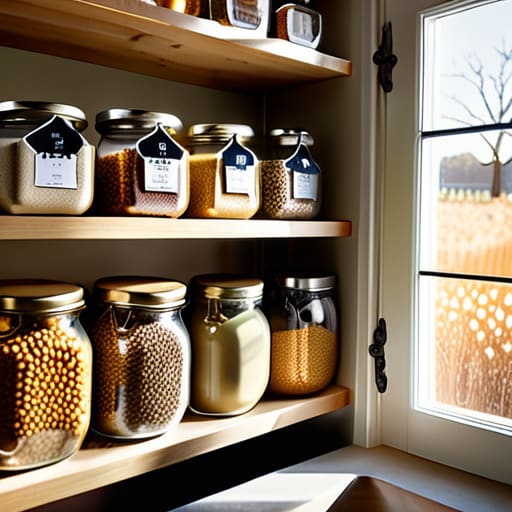
If your fridge is looking a little sparse, don’t panic—the real magic happens in your pantry. Think of your cupboards as your fallback plan for those chaotic Tuesday nights when you have zero energy to cook. Instead of reaching for a box of sugary cereal, you want a collection of whole food pantry staples that can be transformed into a real meal in minutes. I’m talking about heavy hitters like quinoa, brown rice, and various lentils. These aren’t just fillers; they are the foundation for meal prepping with healthy ingredients that actually keep you full until breakfast.
Beyond the grains, don’t overlook the power of canned goods and healthy fats. Keep a steady supply of chickpeas, black beans, and crushed tomatoes on hand to whip up a quick stew or a protein-packed salad. Also, make sure you have a solid variety of nuts and seeds for that much-needed crunch. To really level up your game, invest in some essential spices for healthy cooking—like smoked paprika, cumin, and turmeric—so you can add massive flavor without relying on salt or heavy sauces.
Pro Moves to Keep Your Kitchen on Track
- Stop buying for the person you wish you were and shop for the person you actually are—if you know you’re lazy on Tuesdays, stock up on pre-washed greens or frozen veggie medleys so you don’t default to takeout.
- Master the “Frozen is Fine” rule; frozen berries, spinach, and even organic veggie blends are often more nutrient-dense than the “fresh” stuff that’s been sitting in a truck for a week, plus they won’t rot in your crisper drawer.
- Keep a “emergency” protein stash in the pantry, like canned wild salmon, lentils, or chickpeas, so when the fridge looks empty, you can still throw together a decent meal in ten minutes.
- Don’t let your spices gather dust; a well-stocked spice rack is the difference between a bland, sad meal and something that actually tastes like a restaurant dish without needing a ton of salt or sugar.
- Learn the art of the “rotation system” by moving older produce to the front of the fridge and putting the new stuff in the back, which sounds simple but is a total game-changer for cutting down on food waste.
The Bottom Line
Focus on building a foundation of versatile whole foods rather than chasing every new superfood trend.
Keep your pantry stocked with versatile staples so you’re never one bad day away from ordering takeout.
Remember that a healthy kitchen is about progress and convenience, not achieving some impossible standard of perfection.
The Real Secret to Consistency
“A healthy kitchen isn’t about having a perfect, Instagram-ready pantry full of exotic superfoods; it’s about having the right basics on hand so that when you’re tired and hungry, you actually reach for a handful of almonds instead of a bag of chips.”
Writer
The Final Step: Making It Stick
At the end of the day, stocking a healthy kitchen isn’t about achieving some impossible standard of perfection or having a perfectly manicured, organic pantry that looks like a magazine spread. It’s really just about removing the friction between you and a good meal. By layering in those colorful veggies, reliable proteins, and the heavy-hitting pantry staples we talked about, you’re essentially setting a trap for your future, hungrier self. You’re making it easier to choose the salad over the takeout box because the ingredients are already staring you in the face. It’s about building a sustainable foundation that works with your busy life, rather than fighting against it every single time the hunger hits.
Don’t feel like you have to overhaul your entire kitchen in one frantic afternoon. Start small—maybe just grab one new grain or a bag of frozen greens this week—and build from there. The goal isn’t to never eat a slice of pizza again; it’s to ensure that when you do cook, you have the tools to nourish your body properly. Remember, your kitchen is a tool for your well-being, not a source of stress. Once you get these basics down, you’ll find that eating well stops feeling like a chore and starts feeling like second nature. Now, go grab that grocery list and get started.
Frequently Asked Questions
How do I keep all these fresh ingredients from going bad and wasting money?
The secret is basically playing defense. First, treat your fridge like a game of Tetris—don’t bury the spinach under a heavy tub of yogurt or it’s toast. Group your produce so you actually see it, and use clear containers whenever possible. Also, get cozy with your freezer; if those berries are looking a little sad, toss them in for smoothies. It’s all about using what you have before it decides to quit on you.
Is it actually possible to eat healthy on a tight budget with these staples?
Honestly? It’s not just possible—it’s actually easier. When you stop buying pre-packaged “health foods” and overpriced snacks, your grocery bill takes a massive dive. Buying bulk grains, beans, and frozen veggies is significantly cheaper than grabbing those convenient, processed alternatives. You’re paying for actual fuel rather than fancy marketing and extra packaging. It takes a little more prep work, sure, but your wallet (and your body) will definitely thank you.
What are some quick, 15-minute meals I can make using just these pantry basics?
When you’re running on empty, lean on those pantry staples for a 15-minute win. Throw together a quick chickpea salad with canned tuna and whatever veggies are in the crisper, or whip up a garlic and olive oil pasta with a handful of canned beans for instant protein. Even a loaded black bean quesadilla or a quick savory oatmeal with a fried egg can save the day without the takeout delivery fee.