Small Mental Health Habits With a Big Payoff

I’m so sick of seeing “self-care” sold as a luxury lifestyle involving $80 scented candles, expensive matcha whisks, and aesthetic marble bathtub setups. Honestly, if you’re currently staring at a pile of laundry or feeling like your brain is running a hundred tabs at once, a pricey bath isn’t going to fix the fundamental burnout you’re feeling. Real mental health self care isn’t a curated Instagram aesthetic; it’s often much grittier, much quieter, and significantly less expensive than the wellness industry wants you to believe.
I’m not here to sell you a lifestyle or give you a list of toxic positivity platitudes that feel impossible to follow when you’re actually struggling. Instead, I want to share the unpolished, messy, and highly effective tactics that actually helped me pull myself out of the trenches when things felt heavy. We’re going to skip the fluff and dive straight into no-nonsense strategies that actually work in the real world—the kind of stuff you can actually do when you’re exhausted, broke, or just plain overwhelmed.
Table of Contents
Daily Mindfulness Practices to Quiet the Inner Noise
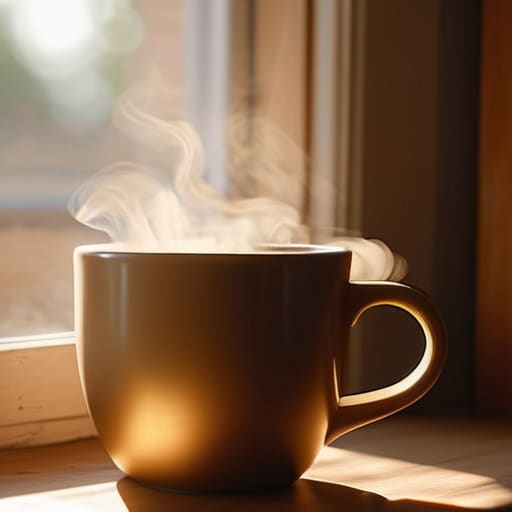
We often treat mindfulness like this grand, hour-long meditation session that requires a mountain retreat and total silence. But honestly? That’s not realistic for most of us. Real daily mindfulness practices are much smaller and much messier. It’s about catching yourself mid-spiral while you’re waiting for the coffee to brew or noticing the weight of your feet on the floor during a stressful meeting. It’s less about achieving “zen” and more about simply noticing that you are spiraling before you hit the point of no return.
When the internal chatter gets too loud, I’ve found that sensory grounding is one of the most effective stress management techniques available. Try the 5-4-3-2-1 method: find five things you can see, four you can touch, and so on. It sounds cliché, but it works because it forces your brain to exit the “what if” loop and return to the physical world. It’s a way to build better emotional regulation strategies without needing a therapist on standby 24/7. You’re just teaching your nervous system that, right in this exact second, you are actually safe.
Mastering Emotional Regulation Strategies for Inner Peace
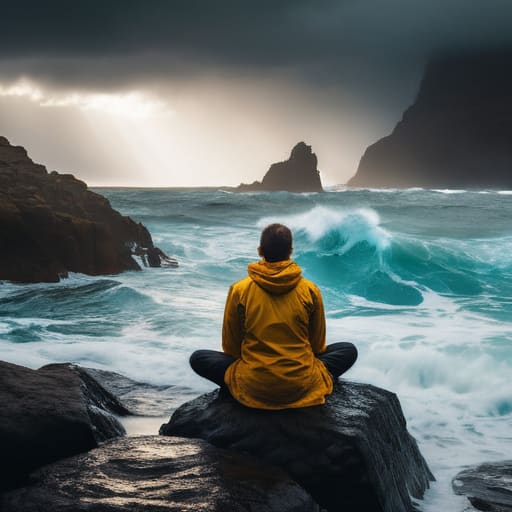
We’ve all been there—that moment when a minor inconvenience feels like the absolute end of the world, and your brain just starts spiraling. It’s easy to feel like you’re at the mercy of your moods, but learning a few emotional regulation strategies can change the entire game. It isn’t about suppressing how you feel or pretending everything is fine; it’s about building a toolkit so that when the waves of frustration or sadness hit, you aren’t just drowning. Instead, you’re learning how to ride the swell without letting it pull you under.
One of the most effective mental health coping mechanisms I’ve found is the “pause.” When you feel that heat rising in your chest, try to physically step back. Whether it’s taking ten slow breaths or literally walking into another room, that tiny gap between a feeling and a reaction is where your power lives. Incorporating these small shifts into your self-care routines for anxiety helps move you from a state of constant survival mode into something much more stable. It’s about teaching your nervous system that you are actually in control, even when things feel chaotic.
Real-World Ways to Protect Your Peace
- Stop treating your sleep like an optional luxury. It’s incredibly hard to stay emotionally steady when you’re running on four hours of caffeine and sheer willpower.
- Learn the power of a “no” that doesn’t come with a long-winded apology. Protecting your energy often means turning down invitations that feel more like obligations.
- Get moving, but don’t make it a chore. You don’t need a grueling gym session; just a walk around the block without your phone can completely reset your nervous system.
- Audit your digital diet. If certain accounts or news cycles consistently leave you feeling anxious or “less than,” hit the unfollow button. Your feed should serve you, not drain you.
- Give yourself permission to be imperfect. Much of our mental exhaustion comes from trying to maintain a polished version of ourselves that doesn’t actually exist.
The Bottom Line: Making It Stick
Self-care isn’t a chore to add to your list; it’s about finding those tiny, realistic pockets of peace that actually fit into your real, messy life.
Don’t wait for a total burnout to start practicing these tools—the goal is to build your mental resilience long before the storm hits.
Be kind to yourself when you slip up; mental health isn’t a straight line, and some days are just about getting through, and that’s perfectly okay.
## The Reality of Staying Sane
Self-care isn’t about adding more tasks to your calendar or buying expensive candles; it’s about finally giving yourself permission to stop performing and just exist without apologizing for it.
Writer
Finding Your Rhythm

Look, I know that trying to juggle mindfulness and emotional regulation can feel like just another chore on an already overflowing plate. But at the end of the day, it isn’t about achieving some sort of flawless zen state where nothing ever bothers you again. It’s really just about building a small toolkit so that when the inevitable chaos hits, you aren’t left completely defenseless. Whether you’re taking five minutes to breathe or learning how to sit with a difficult emotion without letting it swallow you whole, you are actively reclaiming your peace one tiny decision at a time.
Please, give yourself some grace as you navigate this. Self-care isn’t a linear path, and some days are going to feel like a massive step backward despite your best intentions. That’s okay. The goal isn’t perfection; it’s simply showing up for yourself, even when it’s messy and uncomfortable. Just remember that you are worth the effort it takes to heal and grow. Keep going, keep breathing, and don’t forget that the most important relationship you will ever cultivate is the one you have with yourself.
Frequently Asked Questions
How do I actually stick to a self-care routine when I'm feeling too burnt out to even start?
When you’re that deep in the burnout trenches, even the word “routine” feels like another chore on an endless to-do list. Don’t try to overhaul your life. Forget the hour-long meditations or the complex rituals. Just pick one “micro-win.” If that means drinking a glass of water or sitting on the porch for two minutes without your phone, do that. Shrink the goal until it feels impossible to fail. That’s where you start.
Is there a way to practice self-care that doesn't feel like just another chore on my to-do list?
The secret is to stop treating self-care like a project you have to “complete.” If your meditation app feels like a nagging deadline, drop it. Real self-care is often found in the gaps—the way you linger over a cup of coffee or choosing to sit in the sun for five minutes without checking your phone. It shouldn’t be another item to check off; it should be the way you allow yourself to simply exist.
How can I tell the difference between healthy self-care and just using distractions to avoid my problems?
It’s a fine line, isn’t it? Here’s the litmus test: healthy self-care leaves you feeling recharged and more capable of facing your life. It’s intentional. Distraction, on the other hand, usually feels like a temporary numbing agent—a way to drown out the noise without actually fixing anything. If you’re scrolling for three hours to avoid a difficult conversation, that’s avoidance. If you’re taking a walk to clear your head so you can handle that conversation, that’s self-care.