How to Build Better Eating Habits That Last
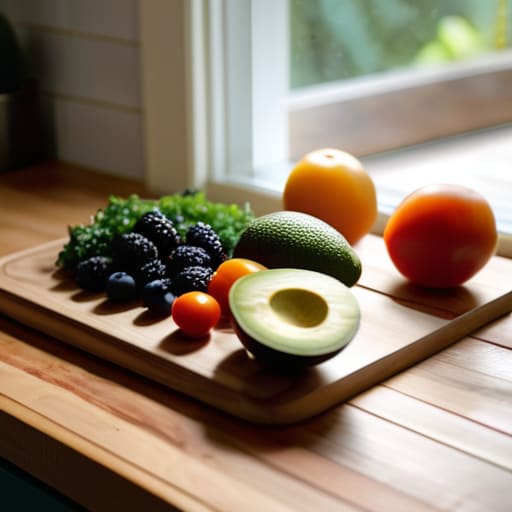
I am so sick of seeing “wellness influencers” sell you a $200 subscription to a meal plan that requires you to eat nothing but steamed kale and expensive organic powders. It’s total nonsense. Most of the advice out there about how to build better eating habits is designed to make you feel like you need a PhD in biochemistry just to sit down for dinner. If you think you need a complicated spreadsheet and a pantry full of “superfoods” to actually see progress, you’ve already lost the battle. The truth is, most of those high-priced hacks are just distractions from the simple reality of how we actually live our lives.
I’m not here to sell you a lifestyle overhaul or a magic pill. Instead, I’m going to give you the straight talk on what actually works when life gets messy and you’re too tired to cook a five-course meal. We are going to skip the fluff and focus on realistic, sustainable shifts that fit into your actual schedule, not some idealized version of it. By the end of this, you’ll have a clear, no-nonsense roadmap for building habits that actually stick long after the initial motivation wears off.
Table of Contents
Mastering Mindful Eating Techniques for Real Control

Most of us treat eating like a background task—something we do while scrolling through emails or binge-watching a show. The problem is that when your brain is occupied elsewhere, you lose the ability to hear your body’s actual signals. You end up finishing a massive plate of food without even realizing you were full. To fix this, you need to start practicing actual mindful eating techniques by simply putting the phone away. Try sitting at a table, focusing on the texture and flavor of your food, and actually tasting your meal. It sounds tedious, but it’s the fastest way to reconnect with your hunger cues.
This isn’t about restriction or counting every single calorie; it’s about overcoming emotional eating by slowing down the impulse to grab snacks when you’re stressed. When you eat with intention, you naturally start to notice when you’ve had enough, making it much easier to manage your intake without feeling deprived. It’s a subtle shift, but once you start paying attention to the sensory experience of eating, you’ll find that you don’t need as much food to feel genuinely satisfied.
Overcoming Emotional Eating Without the Guilt
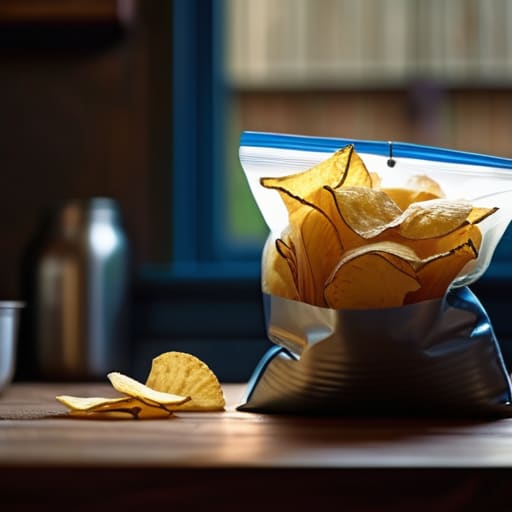
Let’s be real: most of us don’t reach for a bag of chips because we’re actually hungry; we reach for them because we’ve had a hell of a day. Whether it’s stress, boredom, or just plain old loneliness, food becomes a temporary bandage for feelings that are much harder to deal with. The biggest mistake people make is trying to use willpower to fight these urges. Willpower is a finite resource, and it will fail you eventually. Instead of punishing yourself with guilt every time you slip up, focus on overcoming emotional eating by identifying your triggers before you even open the pantry.
Once you recognize the pattern, you can start building a buffer between the impulse and the action. This isn’t about perfection; it’s about making sustainable dietary changes that actually fit your life. If you feel an emotional wave hitting, try waiting ten minutes or drinking a glass of water first. If you still want the snack, eat it—but do it intentionally rather than mindlessly. The goal isn’t to eliminate joy from food, but to stop using it as a coping mechanism for things that a snack simply can’t fix.
Stop Aiming for Perfection and Start Doing This Instead
- Stop treating your kitchen like a battlefield. If you try to clear out every single “bad” food in your pantry overnight, you’re going to crash and binge by Thursday. Focus on adding one nutritious thing to your plate rather than just subtracting everything you love.
- Master the art of the “pre-game” meal. Most of my worst eating decisions happen when I’m running on fumes and haven’t eaten since breakfast. If you know you have a hectic afternoon, eat a high-protein snack early. Don’t wait until you’re starving to make a decision.
- Fix your environment before you try to fix your willpower. Willpower is a finite resource, and it’s going to fail you eventually. If the junk food is sitting right on the counter staring at you, you’re going to eat it. Keep the easy stuff out of sight and make the healthy stuff the easiest thing to grab.
- Learn to read labels like you actually mean it. Companies are experts at hiding sugar under ten different names to make things look “healthy.” If the ingredient list looks like a chemistry textbook, put it back. You don’t need a degree in nutrition, just a basic sense of what real food looks like.
- Build a “buffer zone” between an urge and an action. When that craving hits, give yourself ten minutes. Drink a glass of water, walk into another room, or just breathe. Often, the craving is just your brain looking for a dopamine hit, not an actual signal that your body needs fuel.
The Bottom Line: How to Actually Make This Stick
Stop looking for a “perfect” diet and start looking for sustainable patterns; consistency beats intensity every single time.
Learn to distinguish between actual physical hunger and the urge to eat because you’re stressed, bored, or tired.
Forgive yourself immediately when you slip up, because the guilt of a “bad” meal is usually what triggers a total downward spiral.
The Hard Truth About Consistency
“Stop waiting for a burst of willpower that isn’t coming. Building better habits isn’t about having superhuman self-control; it’s about building a lifestyle that doesn’t require you to fight yourself every single time you open the fridge.”
Writer
The Long Game Starts Now
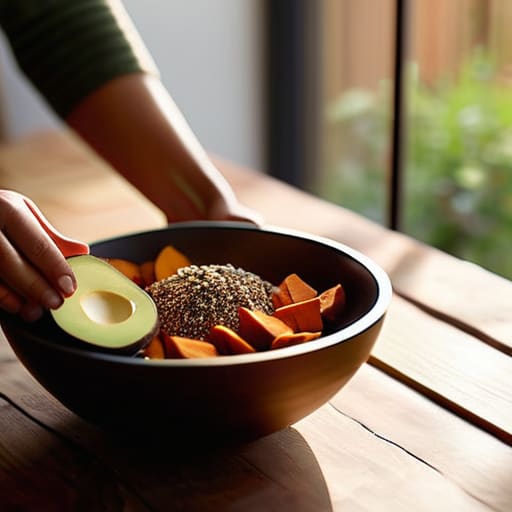
Look, building better eating habits isn’t about achieving some impossible level of dietary perfection or following a rigid, soul-crushing rulebook. It’s about the stuff we just talked about: learning to actually listen to your body through mindful eating and, more importantly, figuring out how to handle those emotional waves without letting them wreck your progress. If you can master the art of slowing down and stop using food as a bandage for stress, you’ve already won the hardest battle. It’s not about being perfect; it’s about consistent, intentional choices that respect your health rather than punishing it.
At the end of the day, your relationship with food is a lifelong journey, not a sprint to a finish line. There will be days when you slip up, days when you eat your feelings, and days when you feel like you’ve completely lost the plot. That is okay. The secret isn’t to never fail; it’s to get back on track immediately without the heavy baggage of guilt. Stop waiting for a “perfect Monday” to start living better. Just take the next best bite, stay patient with yourself, and keep moving forward. You’ve got this.
Frequently Asked Questions
How do I keep these habits going when I'm traveling or eating out with friends?
The biggest mistake people make is treating travel or social outings like a “free pass” to abandon everything they’ve worked for. Don’t do that. Instead, aim for the 80/20 rule: eat well most of the time, and enjoy yourself during the highlights. When dining out, scan the menu before you even arrive so you aren’t making hungry, impulsive decisions. Pick one thing you really want, enjoy it, and move on.
What should I do on the days when I completely fail and fall back into old patterns?
First off, stop beating yourself up. The guilt is actually what keeps the cycle going—it triggers that “I already ruined everything” mentality that leads to another binge. If you slip up, just treat it like a flat tire: you wouldn’t slash the other three just because one went flat. Acknowledge it, figure out what triggered it, and move on. Your next meal is a fresh start, not a chance to punish yourself.
Is it possible to fix my eating habits without having to track every single calorie?
Absolutely. In fact, obsessively tracking every single calorie is one of the fastest ways to burn out and develop an unhealthy relationship with food. It turns eating into a math problem instead of a way to nourish yourself. Instead of counting numbers, focus on quality and satiety. Learn to recognize when you’re actually full, prioritize whole foods that keep you satisfied, and pay attention to how different meals make you feel. That’s how real, sustainable change happens.