How to Make a Grocery Budget That Actually Works

I used to think that “mastering” my finances meant downloading some high-tech, color-coded app that promised to track every single calorie and cent. Honestly? It was a total waste of time. Most of those “experts” make it sound like you need a PhD in economics just to figure out how to make a grocery budget that actually works in the real world. They want you to believe that if you aren’t meticulously logging every loose grape, you’re failing. But let’s be real: life is too messy for perfect spreadsheets, and frankly, most of those complicated systems are just designed to make you quit by week two.
I’m not here to sell you on a lifestyle overhaul or some impossible standard of perfection. Instead, I’m going to give you the gritty, unpolished truth about what actually keeps your bank account from hitting zero mid-month. We are going to skip the fluff and focus on straightforward, battle-tested tactics that you can actually use while standing in a crowded aisle. I’ll show you how to reclaim control of your spending without ever feeling like you’re starving or living a life of pure deprivation.
Table of Contents
- Mastering Monthly Food Expense Tracking for Total Control
- Building Your Arsenal of Budget Friendly Grocery Staples
- 5 Ways to Stop Your Grocery Bill From Spiraling Out of Control
- The Bottom Line: How to Win at Grocery Shopping
- The Hard Truth About Grocery Math
- Take Control of Your Cart
- Frequently Asked Questions
Mastering Monthly Food Expense Tracking for Total Control

You can’t fix what you aren’t actually measuring. Most people treat their food spending like a black hole—money goes in, and suddenly it’s Tuesday and the bank account is looking a little thin. To get a grip on this, you need to commit to serious monthly food expense tracking. Don’t just guess based on what you think you spend; grab your banking app and categorize every single transaction. Are you spending $400 a month on groceries, or is that $200 actually going toward takeout and mid-afternoon caffeine runs? Once you see the raw numbers, the “leaks” in your budget become impossible to ignore.
Once the data is in front of you, start looking for patterns. This is where you bridge the gap between tracking and actually saving. If you notice your spending spikes every Thursday, you’ve likely found a pattern of impulse buying. By integrating meal planning for savings into your weekly routine, you stop reacting to hunger and start acting on intent. It’s about shifting from a mindset of survival shopping to one of strategic consumption. When you know exactly where your money is flowing, you finally stop feeling like your kitchen is a financial drain.
Building Your Arsenal of Budget Friendly Grocery Staples
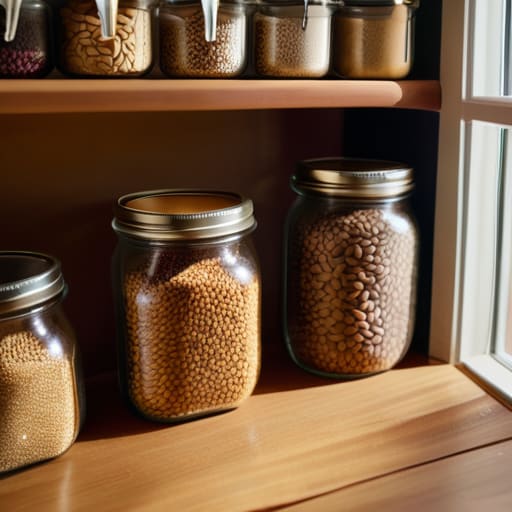
Once you’ve tracked your spending, it’s time to stop playing defense and start playing offense. The secret isn’t about deprivation; it’s about building a pantry full of budget-friendly grocery staples that act as your financial safety net. Think of things like dried lentils, brown rice, oats, and canned beans. These aren’t just boring pantry fillers—they are the versatile building blocks for a dozen different meals. When you have these on hand, you aren’t one “I’m too tired to cook” moment away from an expensive, unplanned takeout order.
The real magic happens when you integrate these items into your meal planning for savings. Instead of wandering the aisles wondering what to eat, you’re working backward from what you already own. This approach is a massive win for reducing food waste because you’re actually using what’s in your cupboards rather than letting a bag of spinach turn into green slime in the crisper drawer. By focusing on versatile, long-lasting goods, you turn your grocery trips from a chaotic scavenger hunt into a strategic, controlled mission.
5 Ways to Stop Your Grocery Bill From Spiraling Out of Control
- Stop playing the “what’s for dinner” game while you’re actually standing in the aisle; if you don’t have a meal plan written down before you leave the house, you’re basically just inviting impulse buys to ruin your week.
- Treat your grocery list like a sacred text—if it’s not on that piece of paper (or in your notes app), it doesn’t exist, no matter how much that “buy one get one free” deal on artisanal cheese is calling your name.
- Learn to embrace the “generic” life because, honestly, most store-brand staples like flour, salt, and canned beans are virtually identical to the name brands but cost half as much.
- Never, under any circumstances, shop when you’re hungry; walking into a supermarket on an empty stomach is a one-way ticket to a cart full of expensive snacks and zero actual ingredients.
- Check your pantry and freezer before you head out—half the time we buy a second jar of peanut butter or another bag of frozen peas simply because we forgot we already had them hiding in the back.
The Bottom Line: How to Win at Grocery Shopping
Stop guessing and start tracking; you can’t fix a spending problem you haven’t actually measured yet.
Stock your pantry with versatile, cheap staples so you aren’t forced into expensive takeout when the fridge looks empty.
Treat your grocery list like a contract—stick to it, shop with a plan, and stop letting impulse buys bleed your bank account dry.
The Hard Truth About Grocery Math
“A grocery budget isn’t about deprivation or living on generic beans alone; it’s about finally deciding that you’d rather spend your money on things that actually matter than letting it vanish into a black hole of impulse buys and ‘just-in-case’ snacks.”
Writer
Take Control of Your Cart
At the end of the day, mastering your grocery budget isn’t about deprivation or eating bland, uninspired meals every single night. It’s about being intentional. By tracking your monthly spending and building a solid foundation of versatile, low-cost staples, you stop letting your bank account bleed out at the checkout line. You’ve learned how to spot the leaks in your spending and how to stock your pantry so that a “nothing to eat” crisis never happens again. Remember, the goal is to work with your money, not let your grocery receipts dictate your financial freedom.
Don’t feel like you have to be perfect from day one. You’re going to have weeks where you overspend on a fancy cheese or a convenience meal, and that’s perfectly fine. The magic happens in the consistency, not the perfection. Start small, keep your eyes on the prize, and watch how much mental bandwidth you reclaim when you aren’t constantly stressing over the total on the screen. You’ve got the tools and the plan—now just get out there and start winning your way to a healthier, wealthier lifestyle.
Frequently Asked Questions
How do I handle those unexpected "emergency" trips to the store when I run out of milk mid-week?
Those mid-week “emergency” runs are absolute budget killers because they almost always end with you grabbing three extra things you didn’t need. To stop the bleed, start a “running list” on your fridge or phone. The second you use the last of the milk, write it down. If you can, try to batch these trips into one weekly run. If you must go, go with a strict list and zero impulse buys.
Should I be tracking my spending by the week or by the month to actually see progress?
Go with weekly tracking. Monthly is great for the big picture, but if you wait until day 30 to realize you blew your entire budget on takeout by the second week, it’s too late to fix it. Weekly tracking is your reality check; it keeps you honest and lets you pivot mid-month. Think of the month as your goal, but the week as your actual game plan.
Is it even possible to stick to a budget if I'm constantly eating out or ordering takeout for lunch?
Look, I’ll be real with you: it’s going to be an uphill battle. If your lunch habit is a daily $15 DoorDash spree, a grocery budget won’t fix your bank account—it’ll just make you feel guilty while you’re eating that burrito. You don’t have to quit cold turkey, but you can’t ignore it. Treat takeout as a “fun” line item rather than a daily necessity, or your grocery plan will fail by Tuesday.