Meditation for Beginners: a Simple 5-minute Start
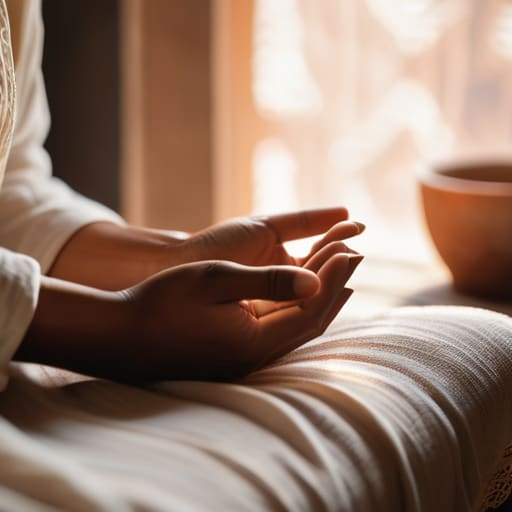
Let’s be real: most of the stuff you see online about meditation for beginners is absolute nonsense. You’re told you need a $100 linen cushion, a mountain retreat in Bali, and the ability to empty your brain of every single thought—which, newsflash, is physically impossible. I spent years trying to follow those “perfect” gurus, sitting there feeling like a total failure because I couldn’t stop thinking about my grocery list or that awkward thing I said in 2014. It’s exhausting, it’s expensive, and frankly, it’s a complete lie that keeps people from actually seeing the benefits.
I’m not here to sell you on some mystical enlightenment or a lifestyle overhaul that requires a yoga retreat. Instead, I’m going to give you the unfiltered truth based on what actually works when your life is messy and your brain won’t shut up. We’re going to skip the fluff and focus on small, realistic ways to actually find some headspace without needing to become a monk. This is a no-nonsense guide for the rest of us who just want a little more calm in the chaos.
Table of Contents
- Mastering Mindfulness Meditation Techniques Without Losing Your Mind
- Real Meditation Benefits for Mental Health You Can Actually Feel
- Five Ways to Actually Stick With It (Without Quitting by Day Three)
- The TL;DR: What to Actually Remember
- ## The Reality Check
- The Bottom Line
- Frequently Asked Questions
Mastering Mindfulness Meditation Techniques Without Losing Your Mind

Let’s be real: the hardest part isn’t actually sitting still; it’s what happens when your brain decides to replay that awkward thing you said in 2014 for the fiftieth time. When you’re exploring different mindfulness meditation techniques, the goal isn’t to achieve some state of perfect, empty-headed bliss. That’s a myth. Instead, it’s about noticing when your mind has wandered and gently—very gently—bringing it back to your breath. If you fight the thoughts, they’ll only get louder.
If you find yourself spiraling into frustration, try leaning into guided meditation for relaxation. There is absolutely no shame in letting a voice lead the way when your own internal monologue is being particularly chaotic. Think of it like using training wheels; it’s not “cheating,” it’s just a way to learn how to balance. The trick is to stop judging yourself for having a busy mind. Once you stop treating your thoughts like enemies, you’ll actually start seeing those real meditation benefits for mental health start to kick in.
Real Meditation Benefits for Mental Health You Can Actually Feel

Let’s get real for a second: most people start meditating because they think they should, but they stick with it because of how it actually changes their brain chemistry. We aren’t talking about some mystical enlightenment or floating off your yoga mat. We’re talking about the tangible meditation benefits for mental health that show up in your everyday life—like that moment you realize you haven’t spiraled into a panic attack over a passive-aggressive email. It’s about building a buffer between a stressful event and your reaction to it.
When you actually commit to a regular rhythm, you start noticing that the “mental noise” just… quiets down. Instead of being constantly hijacked by anxiety, you gain this weirdly cool ability to observe your thoughts without letting them run the show. Using meditation for stress relief isn’t just a wellness cliché; it’s a way to stop your nervous system from living in a constant state of “fight or flight.” It’s less about achieving total silence and more about finally feeling like you’re back in the driver’s seat of your own mind.
Five Ways to Actually Stick With It (Without Quitting by Day Three)
- Stop aiming for “emptiness.” Your brain is a thought machine; it’s not going to just shut off. Instead of fighting every thought, just notice them passing by like cars on a highway and get back to your breath.
- Forget the fancy cushions and incense. If sitting cross-legged on the floor makes your knees scream, just sit in a chair or lean against your headboard. Comfort is way more important than looking like a monk.
- Keep your sessions ridiculously short. Telling yourself you’ll meditate for thirty minutes is a recipe for failure. Start with three or five minutes. It’s much harder to make excuses for a session that’s shorter than a coffee break.
- Don’t judge your “bad” sessions. Some days you’ll feel zen; other days you’ll feel like a vibrating ball of anxiety. Both are fine. The goal isn’t to feel peaceful—it’s just to show up.
- Find a “trigger” to anchor the habit. Tie your practice to something you already do, like sitting down with your morning coffee or right after you brush your teeth. It stops meditation from being another chore on your to-do list.
The TL;DR: What to Actually Remember
Forget the “perfect” zen state; meditation is just about noticing when your brain wanders and gently bringing it back without beating yourself up.
Consistency beats intensity every single time—five minutes of daily practice is way more effective than one grueling hour once a week.
You aren’t doing this to escape reality, but to build the mental muscle needed to handle it when things inevitably get messy.
## The Reality Check
“Forget the idea that meditation is about clearing your head or becoming a saint; it’s really just about learning how to sit in the middle of your own chaos without letting it sweep you away.”
Writer
The Bottom Line

Look, we’ve covered a lot of ground here, from the actual mechanics of mindfulness to the tangible ways this practice can quiet the noise in your head. If you take nothing else away from this, remember that meditation isn’t about achieving some magical state of permanent bliss or becoming a Zen master overnight. It’s really just about showing up for yourself when things get loud. Whether you’re experimenting with different techniques or just trying to reap those mental health benefits we talked about, the goal is simply to build a little more breathing room in your daily life. Don’t worry about doing it perfectly; just keep showing up.
At the end of the day, the best kind of meditation is the one you actually do. You don’t need a mountain retreat or a designer cushion to make this work—you just need a few minutes and a willingness to be present. There will be days when your mind feels like a chaotic browser window with fifty tabs open, and that’s perfectly okay. That’s part of the process. So, stop waiting for the “perfect” moment to start. Grab a seat, take a breath, and just begin. You might be surprised at how much your future self will thank you for it.
Frequently Asked Questions
What do I even do with my hands or eyes if I feel awkward sitting there?
Look, the “awkwardness” is half the battle. If you feel like a statue in a museum, don’t. Rest your hands loosely in your lap or on your knees—whatever feels least restrictive. As for your eyes, you don’t need to stare intensely at a single point. You can close them, or just let them rest in a soft, heavy gaze at the floor a few feet in front of you. Just find a position that lets you forget your body exists.
Is it normal if my mind just won't shut up the entire time I'm trying to meditate?
Oh, absolutely. In fact, if your mind was silent, I’d be a little worried you’d fallen asleep.
Do I really need a special cushion or a quiet room, or can I just do this anywhere?
Look, if you wait for the perfect, incense-scented sanctuary to appear, you’ll never actually start. You don’t need a fancy $80 buckwheat cushion or a soundproof room. Honestly? Sitting on your bed or a kitchen chair works just fine. The goal is to train your brain, not to curate an aesthetic. If you can find even three minutes of relative stillness—even in a noisy coffee shop—you’re doing it right.