Clever Ways to Turn Leftovers Into New Meals
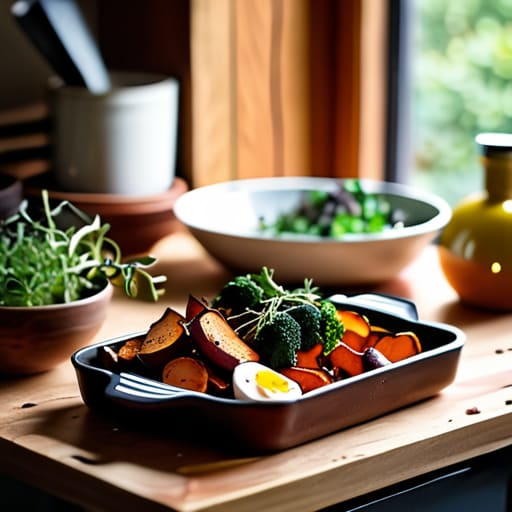
Let’s be real: most of the advice you find online about how to use leftovers is absolute garbage. You’ve seen the posts—the ones suggesting you spend three hours prepping “deconstructed grain bowls” or buying specialized glass containers that cost more than the actual food. It’s exhausting, it’s expensive, and frankly, it’s a lie. We don’t need a culinary degree or a Pinterest-perfect pantry to stop throwing money in the trash; we just need to stop treating yesterday’s dinner like a sacred relic that’s too precious to touch.
I’m not here to give you a lecture on food sustainability or suggest you turn a piece of cold chicken into a gourmet terrine. Instead, I’m going to show you the unfiltered, lazy-but-delicious truth about reclaiming your fridge. I’ve spent years failing at “meal prepping” only to succeed at “repurposing,” and I’m sharing the exact, no-nonsense shortcuts I use to turn random scraps into something actually worth eating. No fluff, no fancy equipment, just real food that saves you time and sanity.
Table of Contents
Repurposing Cooked Proteins for a Second Life
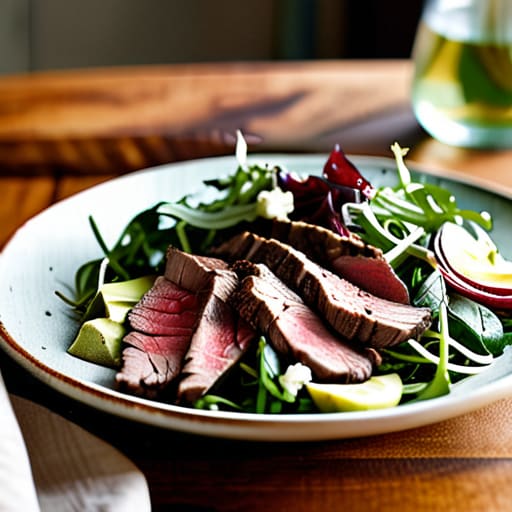
Let’s be real: nobody wants to eat the exact same chicken breast three nights in a row. It’s boring, and frankly, it’s a one-way ticket to takeout fatigue. Instead of treating your extra protein like a chore, think of it as a head start. If you’ve got some roasted chicken or steak sitting in a container, stop seeing it as “old food” and start seeing it as a component. One of my favorite repurposing cooked proteins hacks is turning that leftover flank steak into a quick steak salad or slicing up cold poultry for a killer buffalo chicken wrap.
The trick to making this work without feeling like you’re eating scraps is all about the texture shift. If your meat feels a little dry from the fridge, toss it into a pan with a splash of broth or a bit of sauce to revive it. This is one of those simple creative kitchen hacks that saves you thirty minutes of prep time during a busy week. Whether you’re shredding pork for tacos or folding turkey into a creamy pasta, you’re not just eating leftovers—you’re building a brand-new meal.
Creative Kitchen Hacks for Instant Flavor
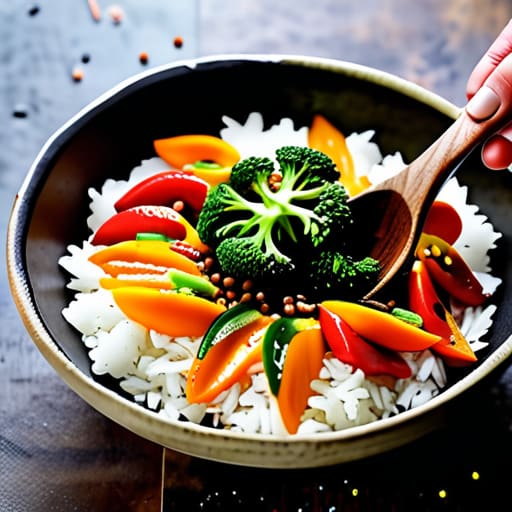
Sometimes, the best way to save a meal isn’t a total overhaul, but a quick flavor injection. If you’ve got a container of plain rice or a pile of roasted veggies looking a little sad, don’t just reheat them in the microwave and hope for the best. Instead, lean into some creative kitchen hacks to breathe life back into the dish. A splash of toasted sesame oil, a squeeze of fresh lime, or even a handful of crispy fried shallots can transform “old” food into something that feels intentional rather than accidental.
If you’re looking for more substantial leftover makeover ideas, think about texture. A soft, slightly mushy grain can be revived by pan-frying it with an egg for a crispy fried rice, or those wilted greens can be blended into a vibrant pesto. These little tweaks are the secret to effective food waste reduction tips that actually taste good. You aren’t just eating scraps; you’re basically improvising a new dish with a head start on the seasoning.
The "No-Waste" Cheat Sheet for Busy Nights
- Turn those sad, wilted veggies into a quick stir-fry or toss them into a frittata; it’s the easiest way to clear the crisper drawer without feeling like you’re eating “scraps.”
- Don’t let half-empty jars of sauce or salsa sit in the fridge—smear them on a toasted sandwich or use them as a base for a 10-minute shakshuka.
- If you have a random amount of rice or grains left over, freeze them in small portions so you can grab a handful later for a quick fried rice fix.
- Transform stale bread or leftover crusts into homemade croutons by tossing them in olive oil and garlic salt, then baking them until they’re actually crunchy.
- Treat your leftover broth or meat juices like liquid gold; pour them into a pan to deglaze it and build a massive amount of flavor for your next meal.
The Golden Rules of Leftover Magic
Stop thinking about “reheating” and start thinking about “rebuilding”—the best meals happen when you treat yesterday’s leftovers as a head start rather than a finished product.
Keep your flavor boosters on standby, because a splash of acidity or a handful of fresh herbs is usually all that stands between a sad fridge meal and a legitimate second act.
Don’t be afraid to get messy; sometimes the best way to rescue a lonely bit of protein or a pile of grains is to toss them all into a pan and see what sticks.
## The Golden Rule of the Fridge
“Leftovers aren’t just ‘old food’ waiting for their expiration date; they’re actually the ultimate head start. You aren’t starting a meal from scratch—you’re just giving yesterday’s hard work a much-needed makeover.”
Writer
The End of the Leftover Blues
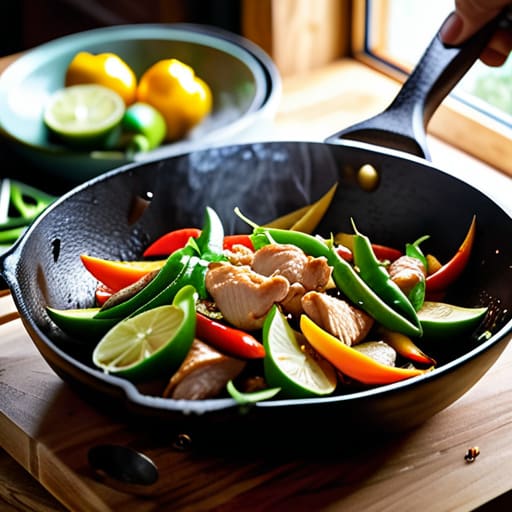
At the end of the day, mastering leftovers isn’t about being a gourmet chef; it’s about being smart with what you’ve already got. We’ve covered how to breathe new life into proteins so they don’t end up dry and sad, and how to use those quick flavor hacks to make yesterday’s meal feel brand new. Whether you’re tossing leftover chicken into a quick stir-fry or using a splash of acidity to brighten up a heavy stew, the goal is to stop seeing leftovers as “old food” and start seeing them as ingredients. It’s a simple shift in mindset that saves you time, money, and a whole lot of unnecessary dishes.
So, next time you’re staring at a container in the back of the fridge, don’t just reach for the trash can. Challenge yourself to get a little weird with it. That extra bit of roasted veg or that lonely half-portion of grains is just a blank canvas waiting for a little creativity. You don’t need a recipe book to make it work—you just need to trust your gut and maybe a little bit of hot sauce. Go ahead, embrace the leftovers and turn your kitchen from a place of waste into a place of endless, easy possibilities.
Frequently Asked Questions
How do I know if these leftovers are actually still safe to eat or if I'm playing Russian roulette with food poisoning?
Look, I get it—the “sniff test” is a lie. Just because it doesn’t smell like a dumpster doesn’t mean it’s safe. The golden rule? Four days in the fridge, then it’s trash. If it’s been sitting in the back of the fridge since last Tuesday, let it go. If you see any slime, fuzzy spots, or if the texture feels “off,” don’t gamble with your stomach. No meal is worth a weekend spent in the bathroom.
Is there a trick to reheating things so they don't turn into rubbery, sad versions of themselves?
The biggest mistake? The microwave. It’s a death trap for texture. If you’re reheating something delicate like chicken or steak, ditch the microwave and use a skillet with a splash of water or broth. Cover it with a lid to trap the steam—that’s the secret to bringing it back to life. For anything pasta-related, a low oven with a bit of olive oil works wonders to keep it from turning into a gummy brick.
How long can I actually keep these cooked meals in the fridge before they lose all their flavor and texture?
Look, I’m not going to give you some vague “until it smells funny” answer. Most cooked meals hit their peak for about three to four days. Beyond that, the texture starts to get weird—think mushy veggies or chicken that feels like chewing on a sponge. If you aren’t planning to eat it by day four, just toss it in a container and freeze it. Better to freeze it now than eat sad, sad leftovers later.